Gulf Oil Exports Under Scrutiny Amid Attack Claims
Recent claims of Iranian attacks on US forces in Jordan and drones near Kuwait and Bahrain are intensifying scrutiny on Gulf oil exports and regional…
Mateo Fernandez ·
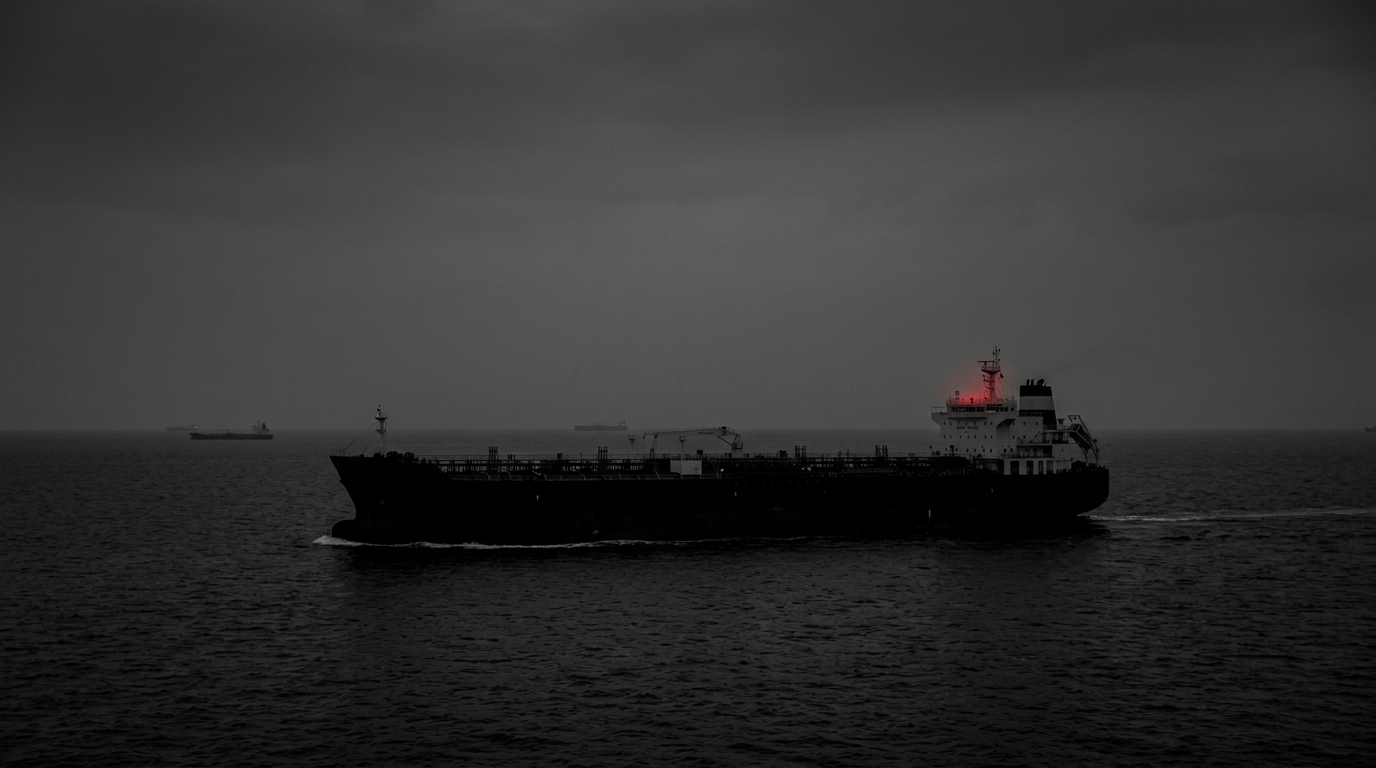
Unconfirmed reports regarding alleged Iranian missile attacks targeting US forces in Jordan, coupled with drone activities directed towards Kuwait and Bahrain, have drawn renewed attention to the security of Gulf oil exports. These claims, if substantiated, would significantly broaden the geographical scope of ongoing regional tensions, involving three nations critical to US security interests and global energy flows: Jordan, Kuwait, and Bahrain.
As of now, official confirmation from independent sources regarding these specific alleged incidents is pending. The primary concern for commodities markets centers on whether any military escalation can be contained, preventing direct impacts on critical oil production sites, export terminals, tanker routes, and marine insurance markets. Should the situation remain geographically confined, crude oil prices might still incorporate a higher geopolitical risk premium. However, any disruption to shipping lanes or export infrastructure would rapidly shift market focus from risk pricing to actual physical supply concerns.
Potential Impact on Energy Markets
The Strait of Hormuz, a narrow passage connecting the Persian Gulf to the open sea, remains a pivotal waterway for seaborne crude oil shipments globally. Iran has reportedly issued threats to impede these exports should what it perceives as continued US aggression persist. This potential threat is significant for oil markets, as even a temporary increase in the perceived risk of transit through key chokepoints can lead to higher freight rates, increased insurance premiums, and elevated hedging costs, even before any physical delays to cargo materialize.
For energy companies, refiners, and traders, the immediate pressure point would likely manifest in logistics rather than an immediate shift in demand. Participants in the market would closely monitor any indications of altered cargo schedules, an escalation in war-risk premiums for maritime insurance, or government advisories that could affect vessels operating within the Gulf region. The coming days are crucial as official confirmation from authorities in the US, Jordan, Kuwait, or Bahrain will shape market reactions.
Geopolitical Ramifications and Future Watch
If military claims are contained and proven to be minor or unsubstantiated, market attention might largely remain on existing geopolitical risk premiums. Conversely, verified damage near crucial export routes or infrastructure would immediately redirect focus towards the continuity and stability of global oil supply chains. Such developments could have far-reaching implications, extending beyond immediate price fluctuations to affect long-term investment decisions in the energy sector.
The region's stability is paramount for global energy security, given its significant role in oil production and export. Any events that threaten this stability are watched closely by international governments and market participants. The evolving situation underscores the delicate balance of power and the constant need for vigilance in a strategically vital area.