Investors eye Microsoft data center leases after $130B jump
Microsoft data center leases reached $329.1 billion in future commitments as AI demand keeps the company hunting for more capacity.
Jason Kwon ·
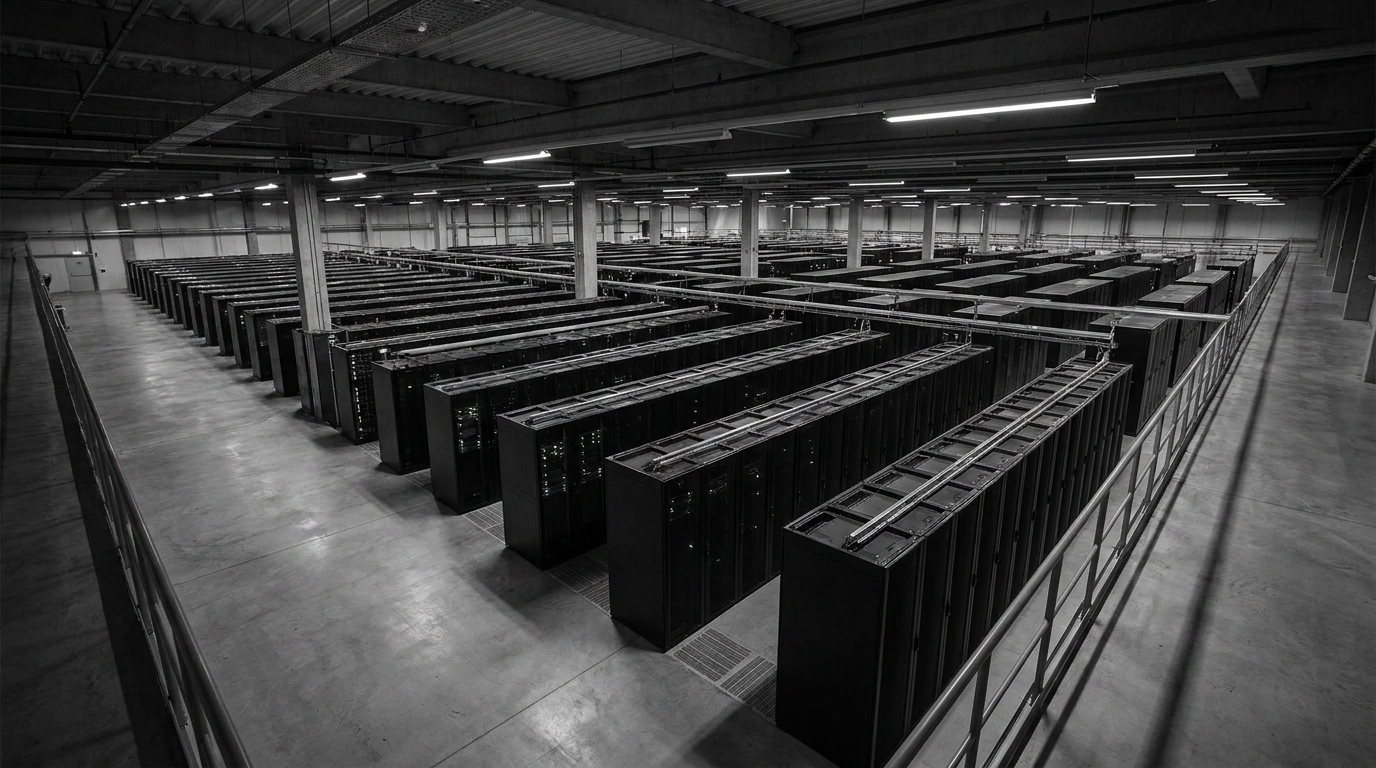
Microsoft data center leases reached $329.1 billion in future commitments as AI demand keeps the company hunting for more capacity.
Microsoft said Wednesday in a regulatory filing that lease commitments not yet started stood at $329.1 billion as of the quarter ended June 30. The total was up from $196.6 billion in the prior period, an increase of $132.5 billion.
The new figure points to a faster buildout of the physical layer behind artificial intelligence products and cloud services. The company said the commitments are primarily for data centers, the facilities that supply computing capacity for Azure customers and Microsoft’s own AI tools.
AI demand fills lease book
The lease total excludes active leases and will not appear on Microsoft’s balance sheet until payments begin, according to the filing. Some of the future commitments also depend on contractual conditions being met, which means the headline number is not the same as an immediate cash outflow.
Jonathan Neilson, Microsoft’s investor relations chief, framed the increase as evidence that customer appetite has not faded. “That’s really a signal of the continued demand strength that we see,” he said. “These leases are going to be there to serve demand for many many years.”
Capacity limits shape spending
Microsoft has been constrained by data center capacity even as demand for AI computing has risen. The company had paused much of its leasing activity through 2025, then added more than $130 billion in new future commitments during the latest quarter.
These leases matter because AI infrastructure is not only a software problem. Large models and AI-enabled applications need servers, networking gear, power, cooling and real estate before they can generate revenue at scale.
For Microsoft, the lease book is a forward claim on capacity rather than a current operating result. If the facilities come online on schedule, the company can turn more AI and cloud demand into billable usage. If conditions delay those leases, capacity remains the limiting factor even if customer demand is present.
Balance sheet timing matters
The accounting timing is central for investors tracking Microsoft’s AI spending cycle. Future lease obligations can signal growth plans, but they also point to years of payments once the facilities begin operating.
The immediate industry signal is clear: hyperscale cloud providers are still competing for scarce data center capacity. That supports developers, landlords, power suppliers and equipment vendors, but it also raises execution risk around construction timelines, electricity access and hardware availability.
The macro channel is narrower but important. If AI infrastructure demand holds, cloud capital spending becomes a larger force in construction activity, energy demand and semiconductor supply chains. If demand cools or capacity arrives late, the same commitments could become a margin and utilization question for Microsoft and a demand-risk issue for the wider data center market.
The next filings will show whether the June-quarter increase was a one-time catch-up after the 2025 leasing pause or the start of a higher run rate. Investors will also watch how Microsoft links capacity additions to Azure growth, AI product usage and future lease payments as the commitments begin to move onto the balance sheet.