FIFA President Secured Iran World Cup Entry Assurance
FIFA President Gianni Infantino secured assurances from former U.S. President Donald Trump for Iran's entry into the 2026 World Cup.
Lauren Collins ·
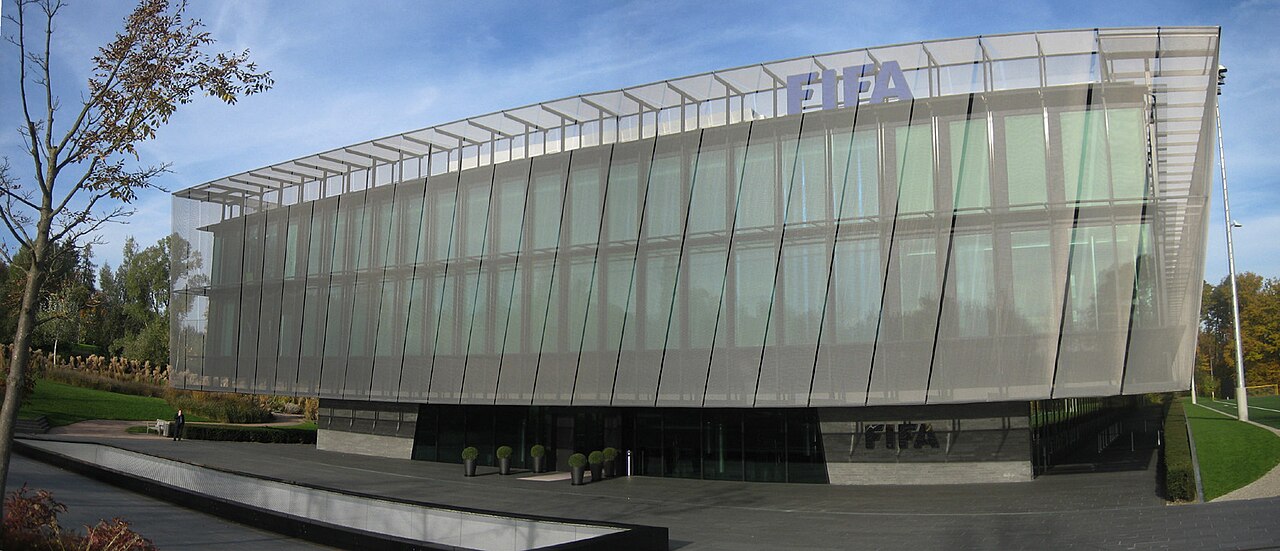
FIFA President Gianni Infantino confirmed that former U.S. President Donald Trump provided assurances regarding the Iranian national football team's entry into the United States for the 2026 World Cup. This commitment, reportedly made during a 2023 meeting at the White House, aimed to circumvent potential geopolitical obstacles that could impede Iran's participation in the tournament.
The United States is co-hosting the 2026 FIFA World Cup alongside Canada and Mexico. The U.S. government's existing sanctions against Iran present a complex backdrop for Iranian citizens, including athletes, seeking entry into the country. Infantino's discussions with U.S. leadership sought to proactively address any visa or travel restrictions for the Iranian squad.
Diplomatic Engagement for Sports
This diplomatic outreach by FIFA underscores the organization's commitment to ensuring that all qualified national teams can participate in its flagship event without political interference. Such a principle is fundamental to the integrity and universality of major international sporting competitions. The engagement highlights the intricate relationship between global sports governance and international political dynamics.
Context of U.S.-Iran Relations
The reported assurance from the former U.S. President occurred amid persistent tensions between Washington and Tehran. The U.S. has maintained a robust sanctions regime against Iran, impacting various sectors and individuals. Ensuring the entry of the Iranian national team would necessitate specific arrangements to navigate these existing restrictions.
Expanded Tournament Format
The 2026 World Cup will feature an expanded format, increasing the number of participating teams to 48. This expansion inherently amplifies the logistical and diplomatic challenges for host nations, requiring greater coordination on issues such as visas, security, and accommodation for a larger contingent of athletes and support staff from diverse geopolitical backgrounds.
Official Silence from State Department
While FIFA has indicated an assurance was given, the U.S. State Department has not issued any public statements or specific details concerning the arrangements for the Iranian team's entry for the 2026 tournament. This lack of public comment from the current administration leaves the specifics of the agreement, and its current status, unconfirmed by official U.S. government channels.
Implications for International Sports
This situation exemplifies the ongoing intersection of sports and international relations, where major events often become platforms for diplomatic maneuvering or points of contention. FIFA's proactive engagement with host nation leadership is a recurring theme in ensuring the smooth operation of global tournaments, particularly when geopolitical sensitivities are involved.
The precedent set by such assurances could influence future interactions between sports bodies and governments facing similar challenges.
Implications
Country Impact: The U.S. government's handling of Iran's team entry could set a precedent for future international events hosted on American soil, potentially influencing diplomatic relations with sanctioned nations. For Iran, participation without incident would represent a significant symbolic victory amidst ongoing international isolation.
Industry Impact: The global sports industry, particularly major event organizers like FIFA, faces increasing pressure to navigate complex geopolitical landscapes. This incident highlights the need for proactive diplomatic engagement to ensure universal participation, potentially influencing future host selection criteria and operational planning.
Market Impact: While direct market impact is limited, the successful resolution of such geopolitical hurdles can enhance the overall stability and predictability of major international events, which are significant drivers of tourism and related service industries. Uncertainty, conversely, can deter investment and participation.