Flores earthquake kills 51, displaces about 5,000
Flores earthquake of magnitude 7.7 hit Saturday, killing at least 51 and displacing about 5,000, as aftershocks and landslides hinder aid.
Atlas Newsdesk ·
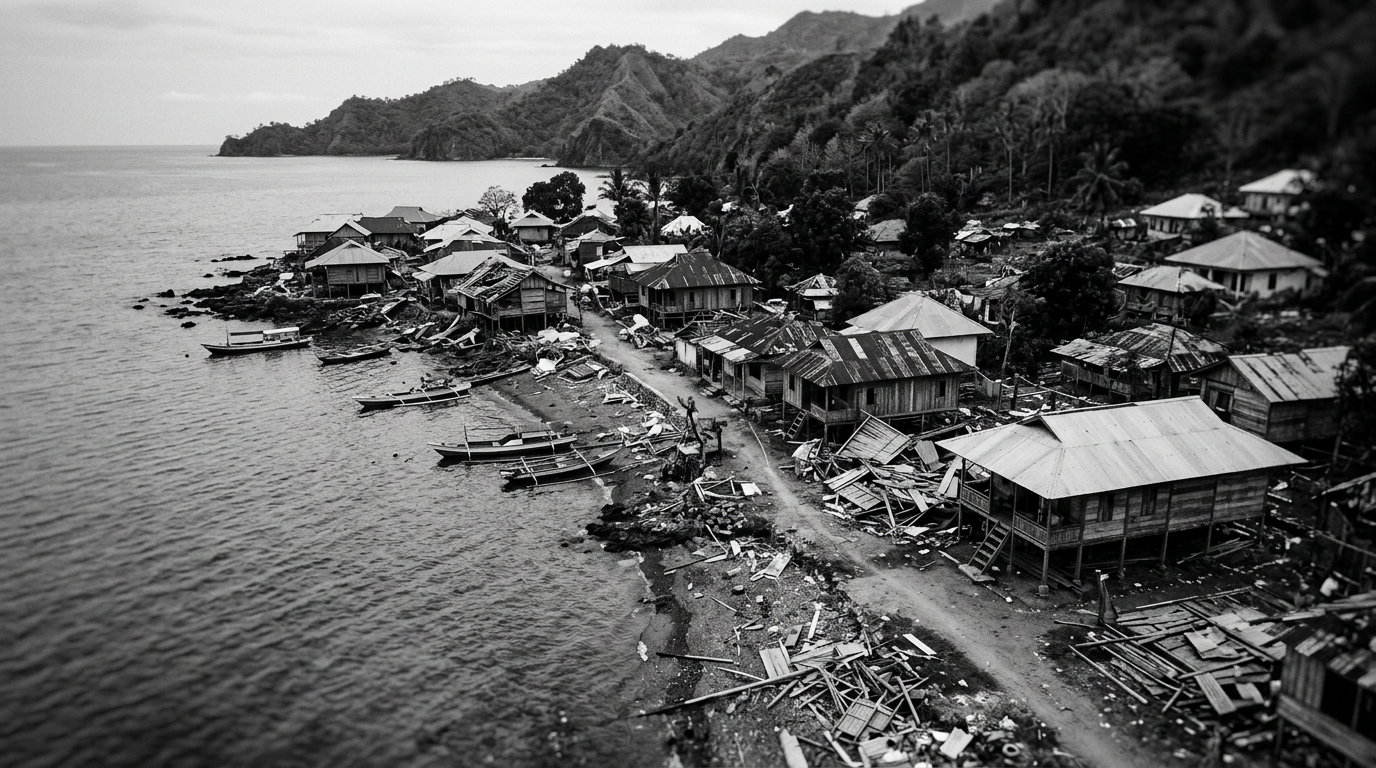
A magnitude 7.7 earthquake struck Flores Island in eastern Indonesia on Saturday, leaving at least 51 people dead and forcing about 5,000 residents to leave their homes, officials said. The tremor hit at 5:58 a.m. local time, according to the U.S. Geological Survey.
The U.S. Geological Survey said the epicentre was 68 kilometers north-northwest of Ende. Officials said damage was reported across multiple districts, while emergency teams worked to reach communities that were cut off by landslides and debris.
Tsunami warning withdrawn as assessments continue Officials said Tsunami warning withdrawn as assessments continue Officials said a tsunami warning was issued soon Officials said a tsunami warning was issued soon after the initial shock and later withdrawn. Authorities kept the area on heightened alert as teams continued searches and expanded support for displaced residents. Officials said continuing aftershocks and difficult access were shaping the pace of the response. They added that damage checks were still underway, particularly in remote locations where the full scope of destruction can take longer to confirm. Damage to homes and outages disrupt daily life Local officials reported at least 157 homes were destroyed and nearly 200 more were damaged. They said around 1,300 additional structures were affected to varying degrees, indicating widespread impacts on housing and other buildings. Officials said power interruptions complicated response operations. They said the outages led to the shutdown of 20 petrol stations, tightening fuel access as transport and logistics demand rose for moving people, equipment, and supplies. Health services also faced disruption, officials said. Some medical facilities shifted operations into temporary shelters after concerns were raised about whether buildings remained structurally safe following the quake.
Aftershocks and landslides slow aid into Nagekeo
Officials said responders recorded 341 aftershocks after the Officials said responders recorded 341 aftershocks after the main tremor. They said the ongoing seismic activity increased risks for residents and responders working near damaged structures and complicated search work and damage assessments.
Landslides blocked key transport routes in Nagekeo regency, officials said, limiting access and slowing the movement of aid. Crews were clearing debris to reopen roads and restore basic mobility for affected communities.
Security forces deployed as emergency status weighed
Authorities said more than 3,500 military and police personnel were deployed to support search-and-rescue operations. Officials said helicopters and maritime vessels were used to reach areas that could not be accessed by road, including isolated settlements.
The Indonesian government said it was assessing whether to declare a state of emergency, a step that could speed the release of federal resources for relief and recovery. Officials said evaluations were ongoing while responders worked to determine the full extent of damage in harder-to-reach areas.
Officials said the situation remained fluid as aftershocks continued and access constraints persisted, leaving key questions about conditions in some remote communities still unresolved while checks continued.