India Rare Earth Magnet Scheme Gets 20 Bids
India’s rare earth magnet scheme drew 20 bids for a ₹7,280-crore plan, with project allocations and winners due by August 30, 2024.
Lauren Collins ·
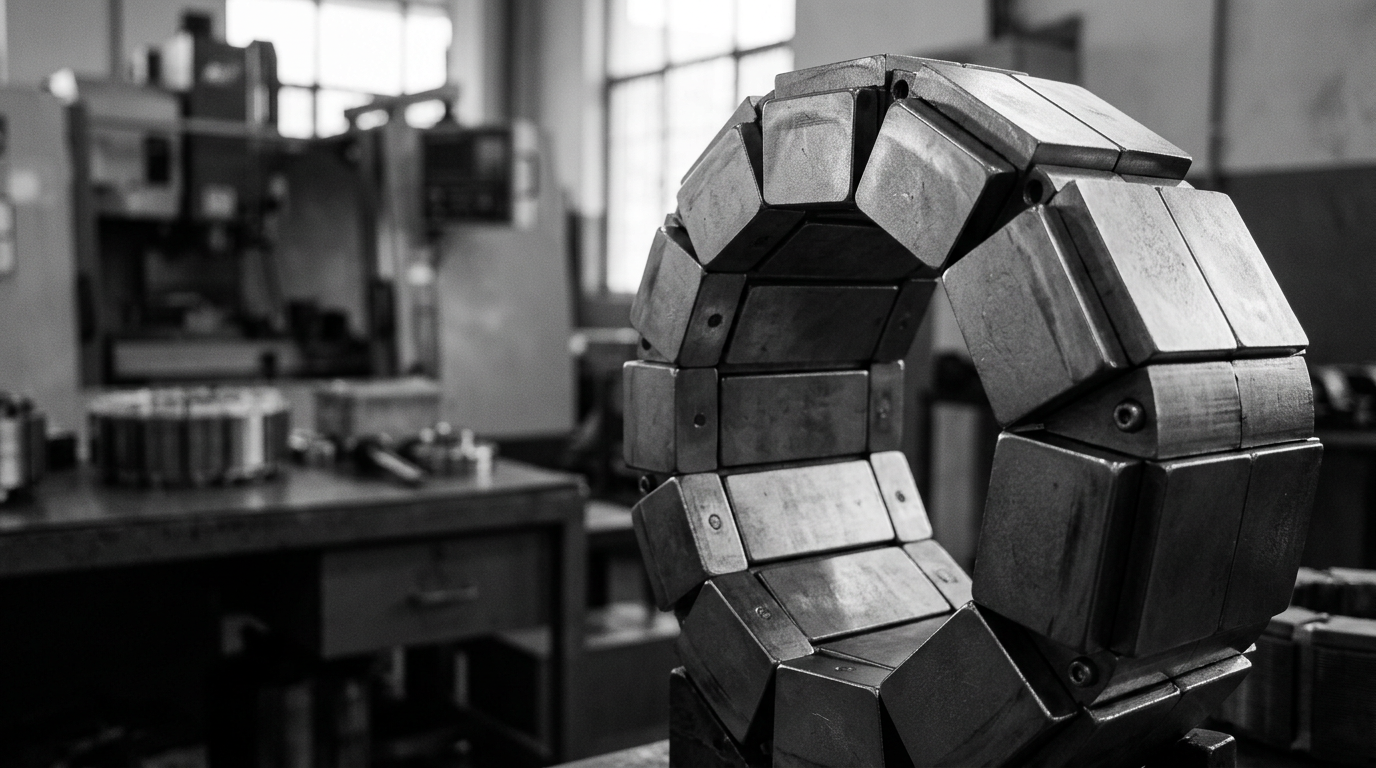
India’s Ministry of Heavy Industries said it has received 20 bids for a ₹7,280-crore (about $870 million) scheme aimed at building domestic manufacturing capacity for rare earth permanent magnets.
Officials said the program is intended to strengthen local supply of a key component used in electric vehicles, wind turbines, and defense systems, while cutting reliance on imported magnets and upstream processing that is done outside India.
Make in India framing and program timeline
The ministry described the initiative as part of a wider “Make in India” push targeting strategic manufacturing segments where China has held a dominant position in global rare earth and magnet value chains.
As the next step, officials said the ministry plans to announce the selected bidders and project allocations by August 30, 2024.
How the ministry reads the bid response
According to the ministry, the volume of bids indicates companies see near-term commercial logic in establishing rare earth magnet capacity inside India.
Officials added that this interest comes despite India remaining heavily dependent on imported magnets and overseas upstream processing, which the ministry has presented as a structural vulnerability.
Why rare earth permanent magnets are a strategic component The ministry said rare earth permanent magnets are typically made using elements such as neodymium and praseodymium.
Officials described these magnets as essential where high performance is needed in a compact form factor, citing examples including traction motors for electric vehicles and generators used in wind power equipment.
Magnets as a potential bottleneck
The ministry said magnets can become a chokepoint for high-efficiency motors and generators across multiple industries.
Officials linked this risk to manufacturing tied to electrification, where demand can rise alongside electric vehicle adoption, renewable power additions, and broader electrification of industrial machinery.
The stated aim, the ministry added, is to build domestic capacity that can serve several downstream industries that depend on steady access to these components.
Upstream concentration and execution risks
Officials noted that moving from policy intent to operational factories can be difficult in sectors that require specialized metallurgy and tight quality standards.
The ministry also flagged an upstream constraint: refined oxides and metals used in magnet production are concentrated outside India, which officials said can expose domestic plans to external price dynamics and geopolitical risks tied to upstream supply.
Regional supply-chain relevance and key uncertainty
The material described rare earth magnets as small by weight but significant for strategic leverage because of their role in downstream manufacturing, including electric vehicle components and industrial motors across Asia-Pacific supply chains.
Officials said a central uncertainty is execution, adding that confidence would be higher if selected bidders include major industrial groups and credible international partnerships that imply technology transfer and committed capital, and lower if the award process is delayed or lacks clarity.