India Seeks Energy Diversification Amid Hormuz Crisis
India is diversifying its energy sources, increasing U.S. imports, and exploring strategic reserves due to Strait of Hormuz disruptions and Russian sanctions.
Lauren Collins ·
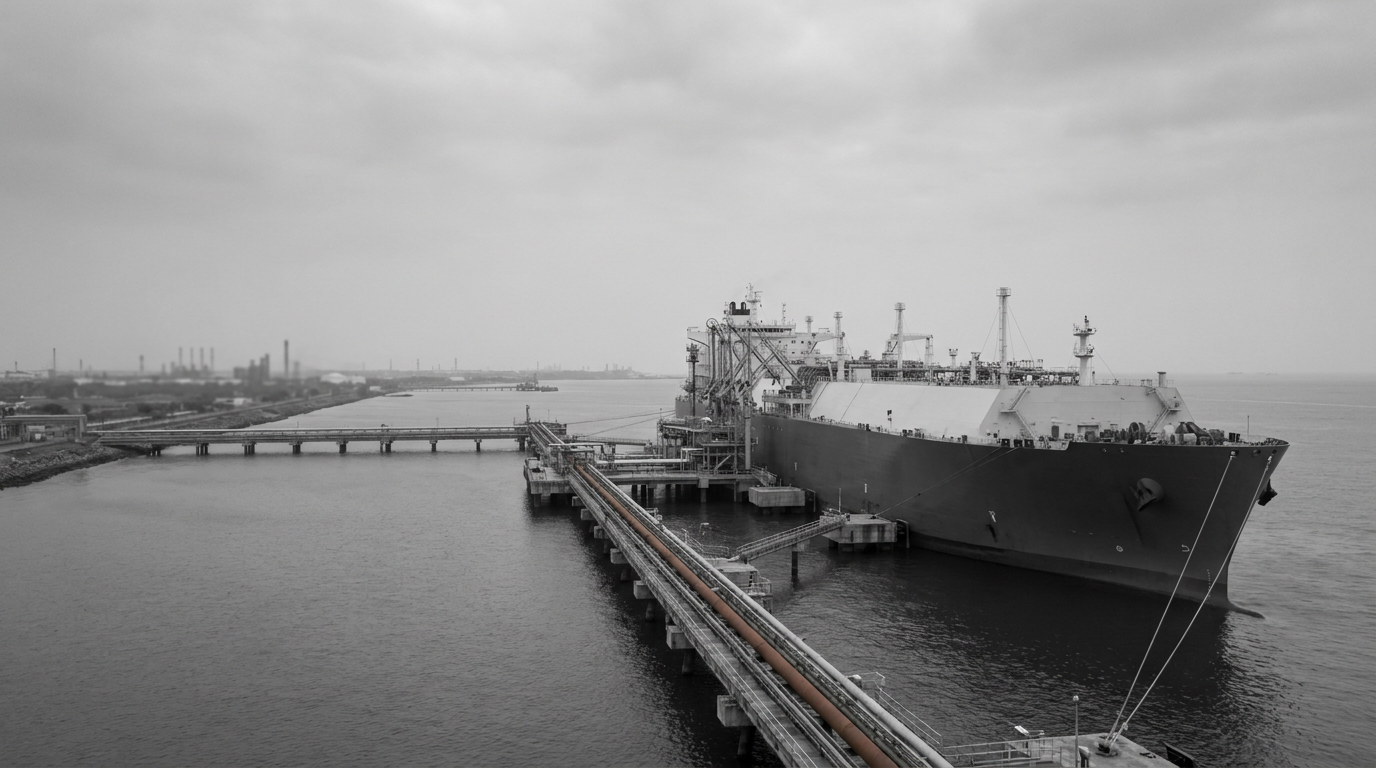
India, the world's third-largest oil importer, is actively seeking to diversify its energy supply chains following disruptions in the Strait of Hormuz and reduced access to Russian crude. Since early March, Iranian restrictions in the Strait of Hormuz have caused India's crude basket price to surge from $69 to over $114 per barrel by April. This vulnerability, coupled with expanded U.S. sanctions on Russian producers like Rosneft and Lukoil in November 2025, has prompted India to explore alternative energy sources.
India's reliance on the Strait of Hormuz previously accounted for 45% of its crude oil imports, 50% of LNG imports, and 90% of LPG imports. Following the 2019 U.S. sanctions on Iran, India shifted crude purchases to Iraq, Saudi Arabia, the UAE, and Kuwait. Russian oil's share of Indian crude imports, which peaked at over 33% between April 2022 and September 2025 under the G-7 price cap scheme, dropped to under 20% by January 2026 due to U.S. tariffs and sanctions.
This situation presents an opportunity for enhanced U.S.-India energy cooperation. A bilateral trade framework announced in February 2026 included Indian commitments to diversify energy supply away from Russia and increase U.S. energy purchases. India has already secured a one-year deal to import 2.2 million metric tons of LPG from the United States in 2026, representing approximately 10% of its LPG demand. Further expansion of U.S. LNG and LPG export agreements and the operationalization of the 2020 U.S.-India Strategic Petroleum Reserve Memorandum of Understanding are under consideration to bolster India's energy security.