Indian seafarer’s death spotlights Strait of Hormuz risk for Asia’s oil lifeline
An Indian marine engineer was killed in a missile attack on a UAE-linked oil tanker in the Strait of Hormuz, raising concerns over energy security.
Mei Lin ·
# Indian seafarer’s death spotlights Strait of Hormuz risk for Asia’s oil lifeline
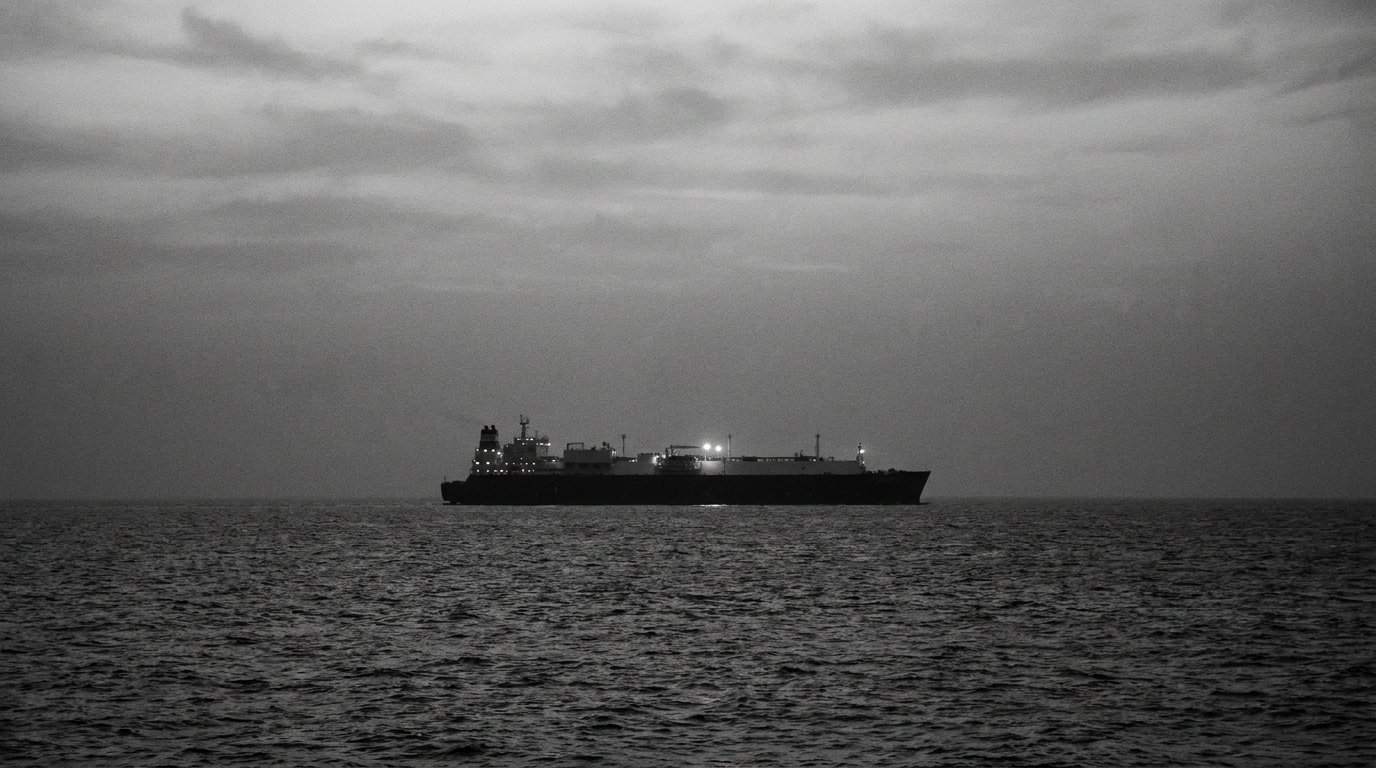
An Indian seafarer from Bihar was reported killed in an alleged missile attack on oil tankers near the Strait of Hormuz, a shipping corridor that sits at the heart of Asia’s crude supply routes. The death brings a human face to a long-running security contest in the Gulf, where any sustained disruption can quickly ripple into freight rates, insurance costs, and energy prices for import-dependent economies.
India’s government has not publicly detailed the incident
India’s government has not publicly detailed the incident in the provided signal, but the reporting identifies the victim as Rohan Kumar, a 31-year-old marine engineer from Gopalganj, Bihar. The episode has renewed scrutiny of how quickly regional flare-ups can spill into commercial shipping, and how exposed Asian buyers remain to instability around critical maritime chokepoints.
The Strait of Hormuz is a narrow passage linking the Persian Gulf to the Gulf of Oman and the wider Indian Ocean. It is a primary route for seaborne oil and refined fuel shipments from major Gulf producers to Asian consumers, including India, China, Japan and South Korea. Because so much energy traffic is concentrated in one corridor, even isolated attacks or attempted interdictions can raise perceived risk across the entire route.
Tensions in the broader Gulf region have repeatedly spilled into the maritime domain in recent years, with commercial vessels facing threats ranging from drones and missiles to boarding attempts and sabotage. The signal’s framing points to state and non-state actors that have shaped the security environment, including Iran, the United States, the United Arab Emirates, and Yemen’s Houthi movement, but it does not provide an official attribution for this specific incident.
For Asian economies
For Asian economies, the immediate risk is not only lost cargo or damaged ships, but also higher “friction costs” that show up as more expensive insurance, security services, and rerouting. Even when tankers continue to transit, a higher threat perception can push up war-risk premiums and time-charter rates, tightening effective supply and complicating procurement for refiners that rely on predictable shipping windows.
The incident also tests the crisis-response playbooks of major importers. India, like other large buyers in Asia, has strong incentives to keep sea lanes open while avoiding escalation. A rise in attacks or explicit threats to shipping could force harder choices: stepping up naval presence, issuing advisories to Indian-flagged or Indian-crewed vessels, and coordinating more closely with Gulf partners and other naval powers operating nearby.
By 2024-09-15, watch for (1) official statements from the Government of India and the United Arab Emirates on the reported death and the cause of the attack, and (2) any maritime security alerts or advisories referencing the Strait of Hormuz that signal a shift in threat level for commercial transits. If authorities confirm a deliberate missile attack and name a responsible actor, markets should expect heightened naval deployments and stricter risk controls by shipowners and insurers; if the incident is downplayed, treated as an accident, or remains unattributed with no follow-on strikes, shipping is more likely to revert to normal operations with only marginal adjustments to risk pricing.