Hormuz claims raise global energy risk
U.S. and Iranian officials asserted control over the Strait of Hormuz after weekend attacks, putting a key energy route under fresh strain.
Mateo Fernandez ·
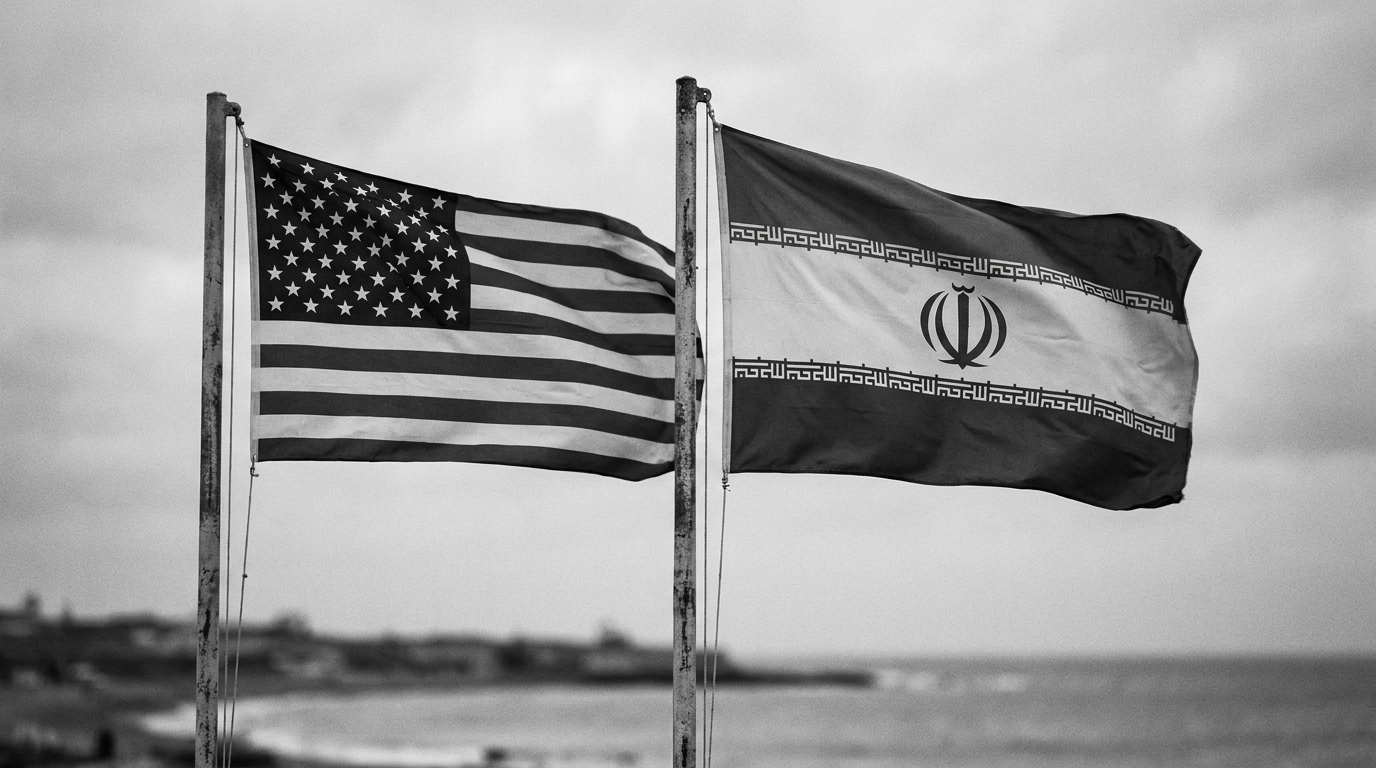
U.S. and Iranian officials each asserted Monday that they controlled the Strait of Hormuz after a weekend of attacks across the wider Middle East, raising the geopolitical risk around a waterway central to global energy supplies. Reaction pending, with traders likely to focus on any sign that shipping, insurance or naval movements are being disrupted.
The dueling claims sharpen the pressure on diplomacy aimed at ending the war. Officials said the latest attacks stretched across the region, widening the arena of confrontation and increasing the risk that a local military exchange could spill into energy logistics.
Hormuz claims test energy security
The Strait of Hormuz matters because it is a narrow maritime route linking Gulf energy exporters to global buyers. A contest over control does not need to close the waterway to affect markets; even uncertainty can raise freight, insurance and hedging costs for oil and gas cargoes.
For the United States, the claim signals a bid to reassure allies and commercial shippers that the route remains protected. For Iran, asserting control keeps pressure on Washington and regional rivals by reminding markets that the energy chokepoint sits within reach of its military and political leverage.
If ships keep moving without interruption, the macro effect may stay limited to a geopolitical risk premium. If attacks intensify or vessels alter routes, the mechanism becomes more direct: higher transport costs, delayed cargoes and a broader inflation concern tied to energy prices.
The immediate test is the next 24 hours on July 13, 2026: officials, shippers and energy markets will be watching whether the rival control claims remain rhetorical or translate into operational limits in the Strait of Hormuz.