India, Pakistan Summon Diplomats Following Naval Vessel Collision
India and Pakistan have exchanged formal diplomatic protests following a naval collision, marking the first significant military friction between the two…
Lauren Collins ·
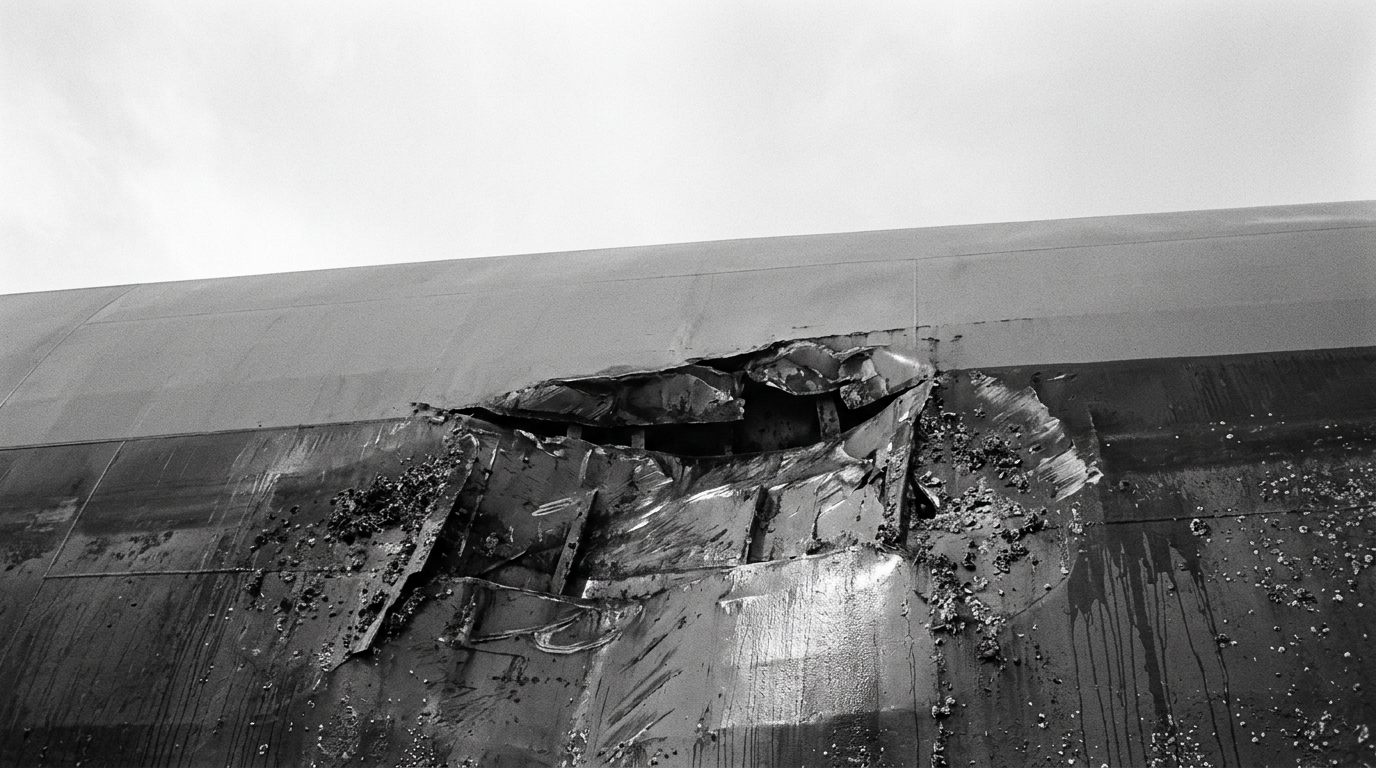
India and Pakistan summoned each other's senior diplomats after naval vessels from both nations collided in international waters, marking the first direct military friction between the nuclear-armed states since their last regional conflict.
New Delhi's foreign ministry protested what it termed "unacceptable and unprofessional conduct" by Pakistani naval units. Islamabad's foreign ministry concurrently conveyed disapproval over "highly provocative and unacceptable action" by an Indian navy vessel, according to reports. Both nations issued official protests, attributing the incident to alleged misconduct by the opposing force.
Diplomatic Protests Intensify The mutual diplomatic summons underscores a breakdown in maritime communication protocols. This escalation follows reports that the incident occurred in international waters, with both sides presenting conflicting accounts of the event. The move by both governments to assert sovereignty and challenge the operational conduct of the other signifies elevated institutional risk. The incident creates a precedent for direct engagement that could further destabilize regional security. Regional Security Posture Shifts
New Delhi
This event comes after a prior four-day conflict between India and Pakistan. The current collision heightens the risk of further escalation in the Arabian Sea, a critical maritime transit route for global trade.
Policymakers and regional observers will monitor for potential follow-on naval posturing or shifts in regional security postures. Such developments could impact the stability of maritime transit and the bilateral relationship between the two nations.