US, EU, China Split on Climate Adaptation Rules
China, the US, and the EU are pursuing divergent climate adaptation strategies, creating institutional risks for infrastructure and capital allocation.
Atlas Newsdesk ·
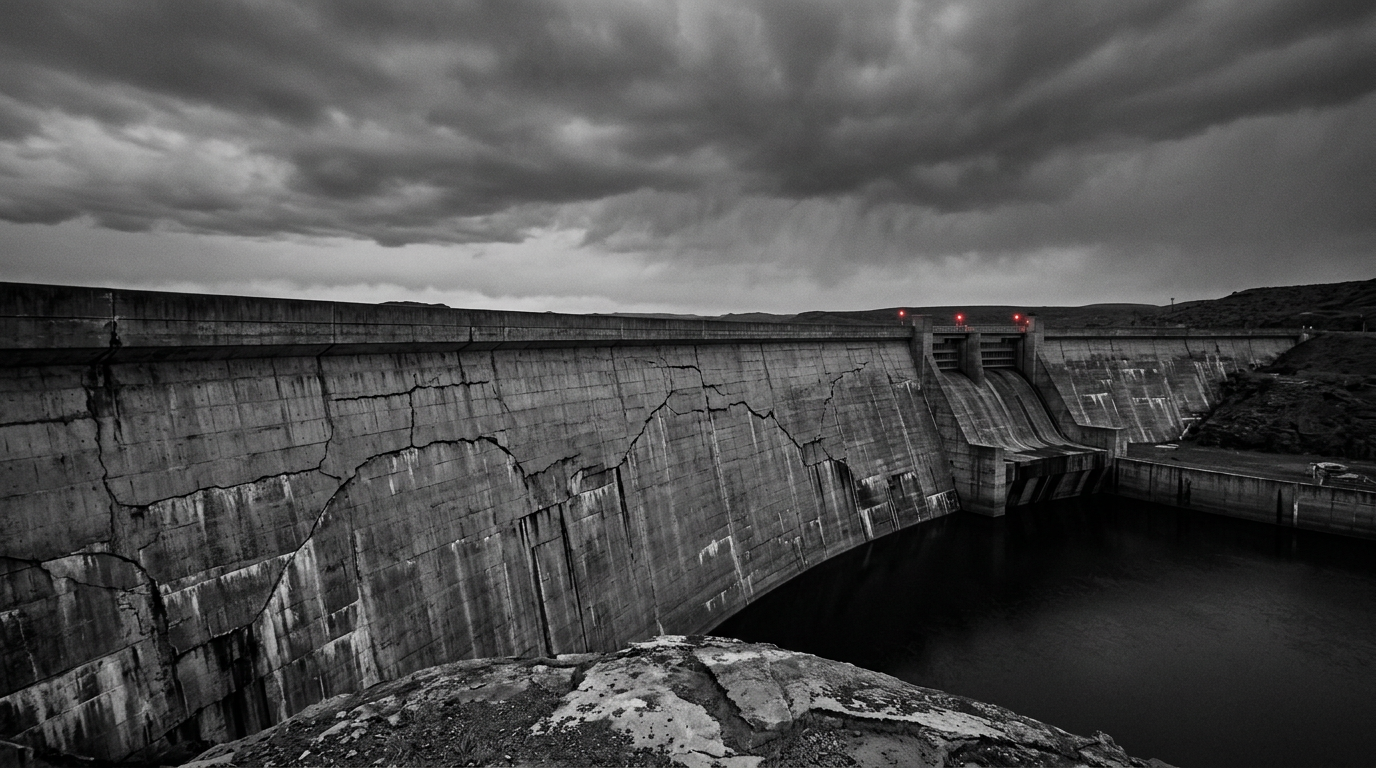
Major economies are adopting distinct, non-convergent frameworks for climate adaptation, creating significant variance in long-term institutional resilience. China utilizes a centralized, state-led model characterized by top-down implementation and direct public funding. This approach prioritizes rapid execution of infrastructure projects but relies heavily on the stability of state planning mechanisms.
Conversely, the United States relies primarily on private sector initiatives to drive adaptation. This strategy shifts the burden of climate resilience to market participants, potentially leaving critical infrastructure vulnerable to gaps in private investment and coordination. The lack of centralized public oversight may complicate large-scale, systemic responses to environmental disruptions.
The European Union occupies a middle position, attempting to balance public institutional oversight with private sector engagement. However, current assessments indicate a shortfall in both long-term strategic vision and capital allocation. This hybrid approach faces risks of stagnation, as neither public nor private sectors have fully integrated the necessary scale of adaptation efforts. These disparate models suggest that global climate governance will remain fragmented, complicating international cooperation on cross-border environmental risks.