IEA Releases 400M Barrels Amid Hormuz Closure
The IEA authorized its largest-ever oil release of 400 million barrels to counter market shocks from the Strait of Hormuz closure.
Atlas Newsdesk ·
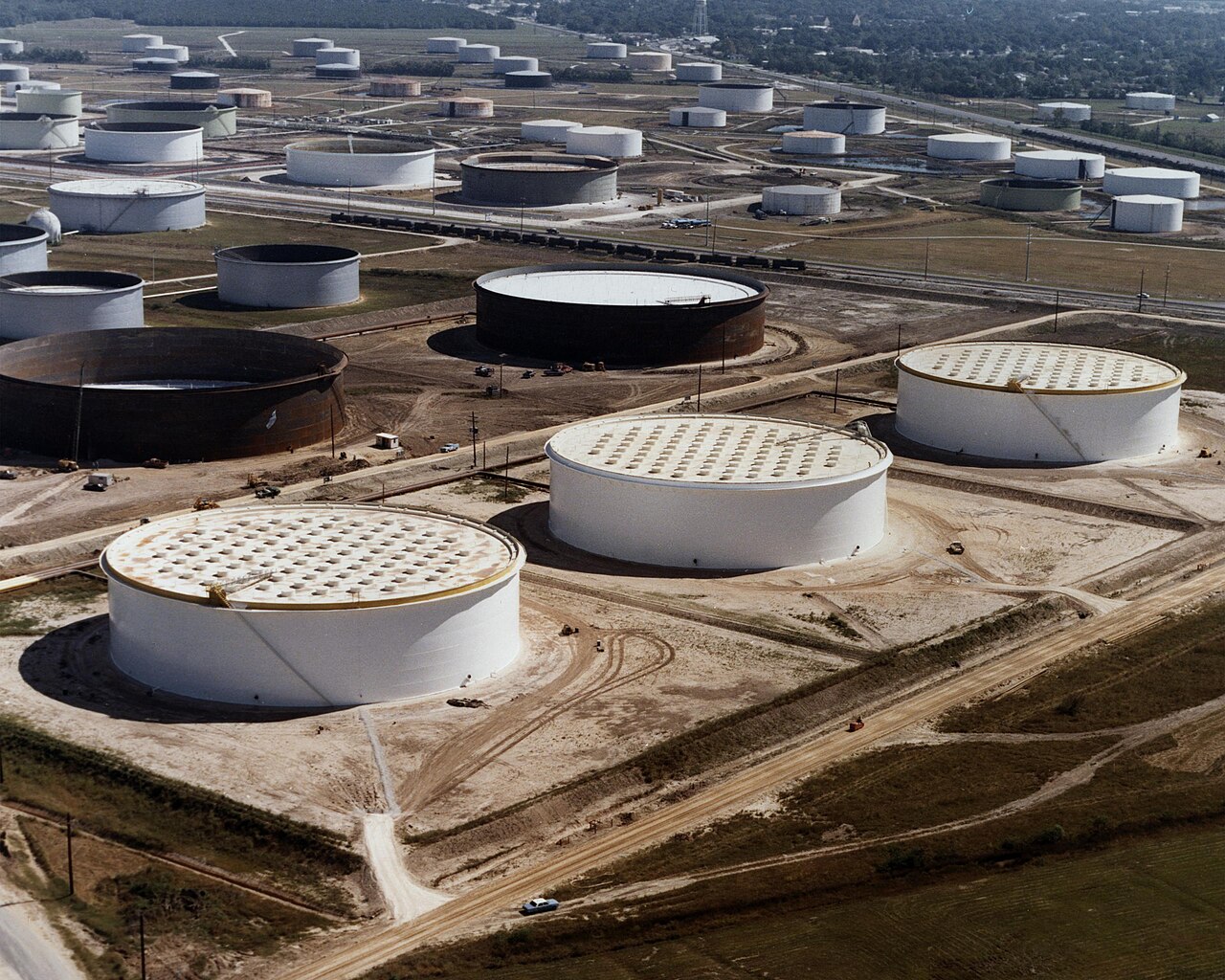
The International Energy Agency (IEA) has initiated its largest-ever coordinated oil release, committing member nations to deploy 400 million barrels from their strategic reserves. This unprecedented action directly addresses significant disruptions in global energy markets and escalating crude oil prices, primarily triggered by the closure of the Strait of Hormuz due to conflict.
This substantial intervention aims to inject a considerable volume of supply into the market, mitigating the impact of blocked oil transit and curbing extreme price volatility. The IEA's decision underscores a unified international effort to prevent a more severe energy crisis.
Strategic Reserve Deployment
The IEA, an intergovernmental body focused on energy security, coordinates such emergency measures during major supply disruptions. Its 31 member countries, including key economies like the United States, Japan, and Germany, are mandated to maintain oil stocks equivalent to at least 90 days of their net oil imports. When a collective action is approved, each nation contributes a portion of its strategic petroleum reserves (SPRs) to the global market.
This synchronized release is designed to maximize market impact and convey a strong political and economic message. It signals that member countries are prepared to respond to the weaponization of energy supplies, particularly in the context of geopolitical tensions.
Impact of Hormuz Closure
The immediate catalyst for this action is the near-complete shutdown of the Strait of Hormuz. This narrow waterway is critical for global trade, facilitating the passage of approximately one-fifth of the world's total oil supply from the Persian Gulf to international markets. Persistent threats and attacks on oil tankers have effectively halted shipments, creating a severe supply-side shock.
With this vital energy conduit blocked, consuming nations faced the prospect of acute shortages and economically damaging price spikes. This situation prompted the IEA's coordinated defensive measure to stabilize markets and ensure continued supply.
Historical Context and Scale
The 400-million-barrel distribution represents the largest such release in the IEA's history, significantly surpassing its previous record. In 2022, the IEA coordinated a 182-million-barrel release to stabilize markets following disruptions caused by Russia's invasion of Ukraine. The current release more than doubles that previous effort.
This volume constitutes a substantial portion of the emergency stocks held by IEA members, equivalent to several days of total global oil consumption. This scale is intended to have an immediate and significant impact on supply availability and market sentiment.
Market and Geopolitical Implications
The primary objective is to reduce crude oil prices, which have surged due to the crisis. By injecting 400 million barrels, the IEA aims to alleviate upward price pressure, offering relief to consumers and industries grappling with higher energy costs. Beyond the physical supply, the announcement itself serves as a psychological tool in commodities markets, signaling to traders that governments possess significant resources to counter supply shortages.
This historic use of emergency stocks also sends a clear geopolitical message. It demonstrates the resolve of major oil-consuming nations to mitigate economic damage from the Strait of Hormuz disruption, reducing the leverage gained by those who threaten the critical waterway. However, the move also raises long-term questions about energy security, as prolonged crises could deplete these finite reserves, potentially leaving nations more vulnerable to future shocks.
Implications
Country Impact: Major oil-importing nations, particularly in Asia and Europe, will see immediate relief from soaring energy costs. However, prolonged reliance on strategic reserves could expose these countries to greater vulnerability in future supply shocks.
Industry Impact: The energy sector, especially oil and gas companies, will face downward pressure on crude prices, potentially impacting revenue. Industries reliant on oil, such as transportation and manufacturing, could benefit from stabilized or reduced fuel costs.
Market Impact: Global crude oil prices are expected to stabilize or decrease in the short term due to increased supply. This could lead to a temporary calming of inflation concerns and potentially support equity markets, while bond markets might see reduced volatility.