Hybrid cars draw China brands into EV policy gaps abroad
Hybrid cars are regaining buyers as Toyota, BYD and others expand models while electric-vehicle growth slows under price and charging pressures.
Atlas Newsdesk ·
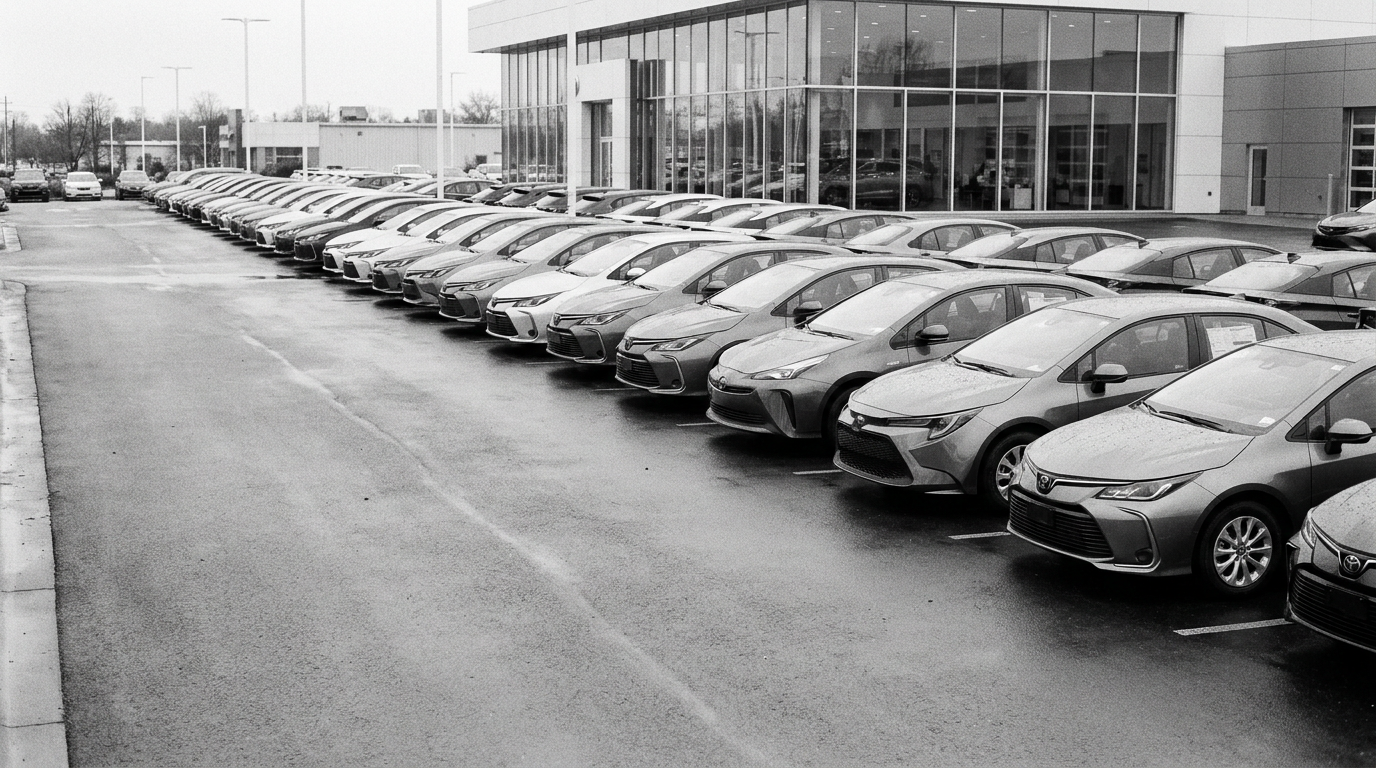
Hybrid cars are gaining ground as electric-vehicle growth slows, after US share rose to one in seven from under 3% in 2020. Toyota is shifting model plans.
The rebound is broader than a single market. Hybrids now account for almost half of deliveries in Spain and more than half in Japan, while GlobalData Plc expects India, South America and Southeast Asia to be the fastest-growing markets through 2035.
Toyota makes RAV4 hybrid-only
Toyota Motor Corp. started production of the latest RAV4 at its Kentucky plant on June 22, replacing a gasoline-and-hybrid range with a hybrid-only generation. The move builds on demand for the compact crossover’s hybrid versions, which has been strong enough in the US to support resale prices above original purchase prices.
Toyota’s confidence was shaped by the Sienna minivan, which lost its gas-only version six years ago and still gained buyers after a price increase. Cooper Ericksen, Toyota’s US head of product planning, said the company’s base assumption for vehicles under development is now that they should be “100% hybrid.”
The company has also lowered some production burdens as volumes rise. Toyota says newer powertrains are smaller and lighter, its latest electrical-cable design cuts copper use by 20%, and its 2019 decision to offer no-cost licenses for hybrid patents has led to more than 300 inquiries and over 20 agreements.
Mexico and India widen demand
Mexico shows how quickly prices can change the category’s reach. Government data showed hybrid sales rose 44% from January to June, compared with 5.3% growth in the overall passenger-vehicle market; the Mexican Automotive Dealers Association estimates hybrids already hold 17% share once Chinese brands are considered.
That marks a reversal from 2005, when Mexico’s first hybrid, a Honda Civic, cost 40% more than the gasoline version. Some hybrid models are now priced as much as 25% below gasoline equivalents there, and Rosa Rubio, an analyst at Monex, said Chinese brands have brought “greater variety, more options and more affordable prices.”
India remains earlier in the cycle, with hybrids still rare in Delhi and Mumbai and fewer available models than fully electric vehicles. GlobalData expects Indian hybrid sales to rise by more than a quarter over the next decade, while Horse Powertrain, backed by Renault and Geely, is putting $370 million into India to build hybrid powertrains and engines.
Automakers hedge EV plans
The renewed demand is forcing companies that emphasized battery-electric or gasoline models to adjust. US hybrid deliveries rose 19% in the first half, according to the National Automobile Dealers Association, while Ford Motor Co. CEO Jim Farley said on July 28 that Ford would bring hybrid technology “across our entire lineup over the next several years.”
General Motors Co. has continued to describe fully electric vehicles as the long-term goal, while Stellantis NV has retired some hybrid models to prioritize gasoline variants. The split reflects the central trade-off: hybrids reduce fuel use and range concerns, but they carry both an internal-combustion engine and an electric motor, adding cost, weight and complexity.
Chinese automakers are using that middle ground to expand outside their home market, particularly in Latin America and Southeast Asia. In Europe, Volkswagen AG CEO Oliver Blume called on the European Union on July 24 to create rules for a more “level playing field,” as Chinese plug-in hybrids face fewer barriers than fully electric imports.
If oil prices stay elevated and charging networks remain uneven, hybrid demand would likely keep drawing buyers who want lower fuel use without depending on chargers. That path would support Toyota’s production strategy, slow the industry’s all-electric timetable and reduce gasoline demand less than a faster shift to fully electric vehicles would.
If governments tighten tariffs on Chinese plug-in hybrids or raise incentives for fully electric vehicles, automakers would have to rebalance capital spending toward batteries and local supply chains. The open question is whether consumer range concerns ease before 2030, when industry analysts expect hybrids could account for as much as 40% of global production.