Myanmar's Human Rights Crisis Deepens Amid Conflict, Illicit Economies
UN report details severe human rights decline in Myanmar since 2021 coup, citing increased civilian deaths, displacement, and expanding illicit mining…
Lauren Collins ·
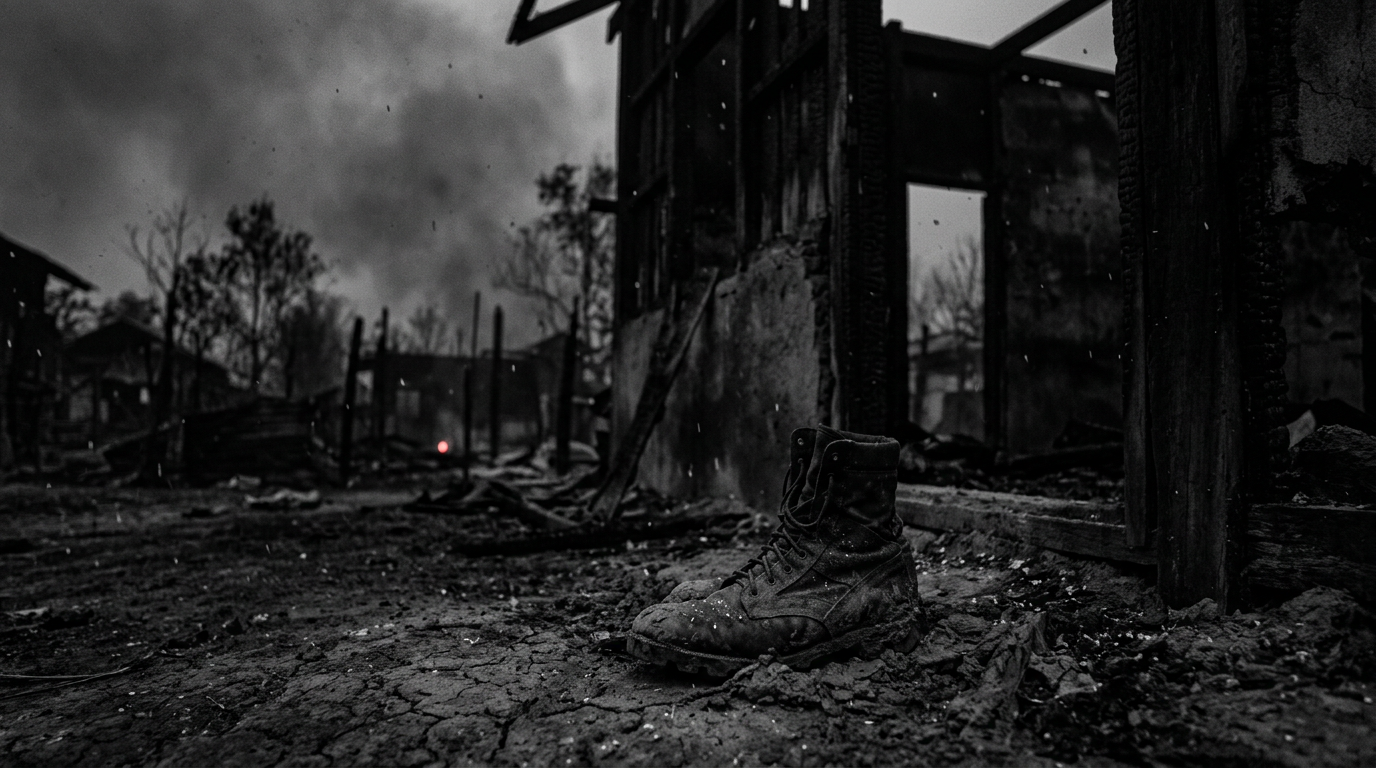
A recent United Nations Human Rights Office report highlights a significant worsening of the human rights situation across Myanmar. The deterioration is attributed to ongoing military conflict and the expansion of illegal economic activities, particularly since the 2021 military coup.
Since the military takeover, violence has intensified, leading to an estimated 8,075 to 15,731 civilian fatalities. This period has also seen approximately 3.6 million people displaced from their homes, reflecting a widespread humanitarian crisis.
Escalating Military Operations
Myanmar's military has stepped up its campaigns against various ethnic armed groups and militias. Tactics frequently employed include airstrikes, deliberate arsons, and the imposition of severe restrictions on humanitarian aid delivery to affected populations. In Rakhine State, the conflict between the military and the Arakan Army has grown more intense.
Both the military and the Arakan Army face accusations of committing widespread abuses against the Rohingya minority. These alleged abuses encompass forced recruitment into fighting forces, acts of torture, and the destruction of villages, further exacerbating the plight of this vulnerable community.
Illicit Economies Fueling Instability
The collapse of the rule of law within Myanmar has created an environment conducive to a surge in illicit mining operations, particularly for rare earth minerals. These activities are concentrated in regions such as Kachin and Shan states.
Satellite data indicates a substantial 149 percent increase in mining sites since 2021, with 302 new locations identified. This rapid industrial expansion has caused severe environmental contamination, directly leading to documented increases in pregnancy complications and maternal health issues among local populations due to chemical exposure.
Urgent Humanitarian Needs and International Calls
The humanitarian situation is dire, with an estimated 12.4 million people now experiencing acute hunger across the country. In response to these deepening crises, the United Nations has urged international stakeholders to reconsider their engagement strategies with Myanmar.
UN High Commissioner for Human Rights Volker Turk characterized the overall situation as a "picture of suffering, misery, and cruelty." The report strongly recommends that states, companies, and investors critically evaluate their current actions and involvement within the country to ensure they are not inadvertently contributing to the ongoing human rights violations or instability.