

Victoria funds Rail Loop with undisclosed public transport levy
Victoria secretly introduced a 1% annual public transport levy from January 2025 to fund the Suburban Rail Loop, raising $4.8B for the project.
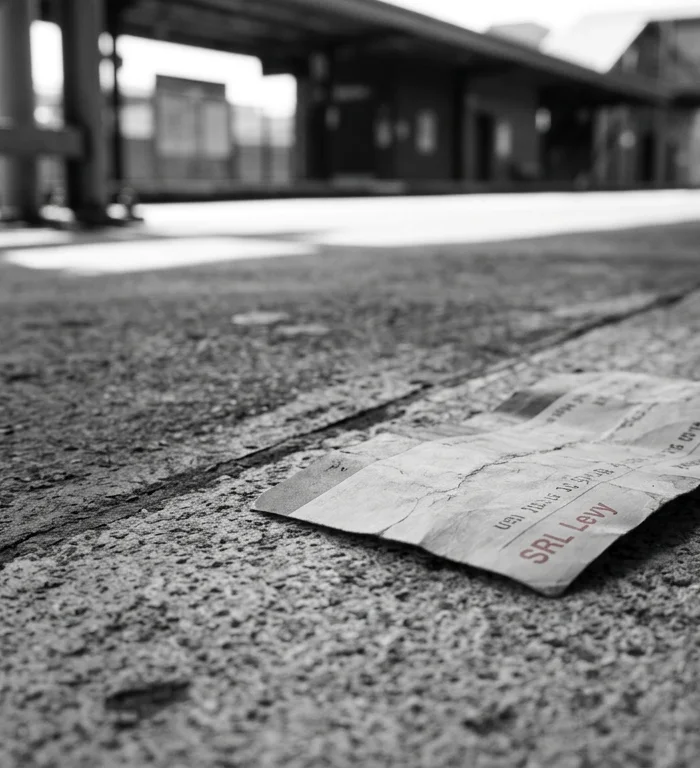
The Victorian government has implemented an unannounced one percent annual levy on public transport fares, commencing January 1, 2025, to help finance the Suburban Rail Loop (SRL). This funding mechanism was revealed in a report by the Victorian Auditor-General on Wednesday. The surcharge applies to both metropolitan and regional fares and was not disclosed during subsequent announcements regarding fare adjustments.
This hidden levy is projected to generate 4.8 billion dollars in net present value through 2062. Approximately 60 percent of this revenue is specifically allocated for the construction of the 26-kilometer SRL East line. The Auditor-General's report criticized this funding approach as lacking transparency and relying on uncertain financial sources, identifying it as the largest component of the project's value capture model.
Project Challenges and Delays
The SRL East project, with an estimated cost of 33.3 billion dollars, faces substantial delivery risks. This section, spanning from Cheltenham to Box Hill, was initially projected to cost between 30 billion and 34.5 billion dollars in 2021. Early construction phases have already experienced six-month delays, and the absence of awarded station contracts further jeopardizes the stated completion deadline of 2035.
The Auditor-General's assessment indicates that the project is likely to exceed its publicly declared budget, raising concerns about the financial sustainability of this major infrastructure expansion. The report highlighted a consistent pattern of delayed works and unassigned contracts, which challenge both the project's timeline and its fiscal integrity. The broader 90-kilometer loop was initially estimated to cost 50 billion dollars when first announced in 2018.
Funding Mechanisms and Fiscal Scrutiny
The overall funding strategy for the SRL incorporates 11.5 billion dollars each from the Commonwealth and state governments. An additional 11.5 billion dollars is expected to come from various value capture methods. These methods include revenue from existing land taxes and windfall gains taxes within SRL East precincts, infrastructure contributions from property developers, and proceeds from state-initiated property development and a car parking levy.
The undisclosed fare levy has emerged as a significant, albeit hidden, element within this intricate financial framework. The Auditor-General's report also raised broader concerns regarding fiscal transparency in the execution of large-scale infrastructure projects. The introduction of such a substantial funding mechanism without public disclosure may erode public trust and complicate effective public oversight. Future scrutiny will likely focus on whether the Victorian government addresses these findings, particularly the concealed fare levy and the escalating budget and timeline issues for the SRL.
More stories
- Eisenkot secures first coalition deal but lacks majority
- Germans oppose Ukraine aid as poll shows support slipping
- Kim Jong-un receives 10 envoys after constitutional shift
- Ukraine claims Libya strike sinks Russian naval corvette
- COP31 climate talks collapse over fossil fuels and funds
- Russian military faces 1,087 recorded suicides in Ukraine war
- Saudi nuclear deal heads to Congress with Israel term intact
- Trump tariffs push Canada dispute toward trade reprisals
- Denmark Extends Mandatory Military Service to Eleven Months
- Iran’s Strategic Shift Focuses on Long-Term Economic Attrition
Latest news
- Morocco targets 2030 World Cup final with new stadium bid
- Barclays puts AI bust risk at center of US growth debate
- US inflation reaches 3.8% before December Fed rate meeting
- Türkiye Desk: GTA 6 drains UK mobile spend as Turkish studios feel pressure
- Global stocks fall 0.4% as tariffs and US inflation loom
- CIA hack affects unclassified data; scope remains unclear
- Trump prepares tariffs on China and other major exporters
- New-car buyers pay record average $50,087 in October