Hudson Institute Releases 'Trump’s China Challenge' Podcast — A DC Policy Signal
The Hudson Institute, a Washington think tank, published a podcast episode titled "Trump’s China Challenge" on May 14, 2026.
Sophie McAlister ·
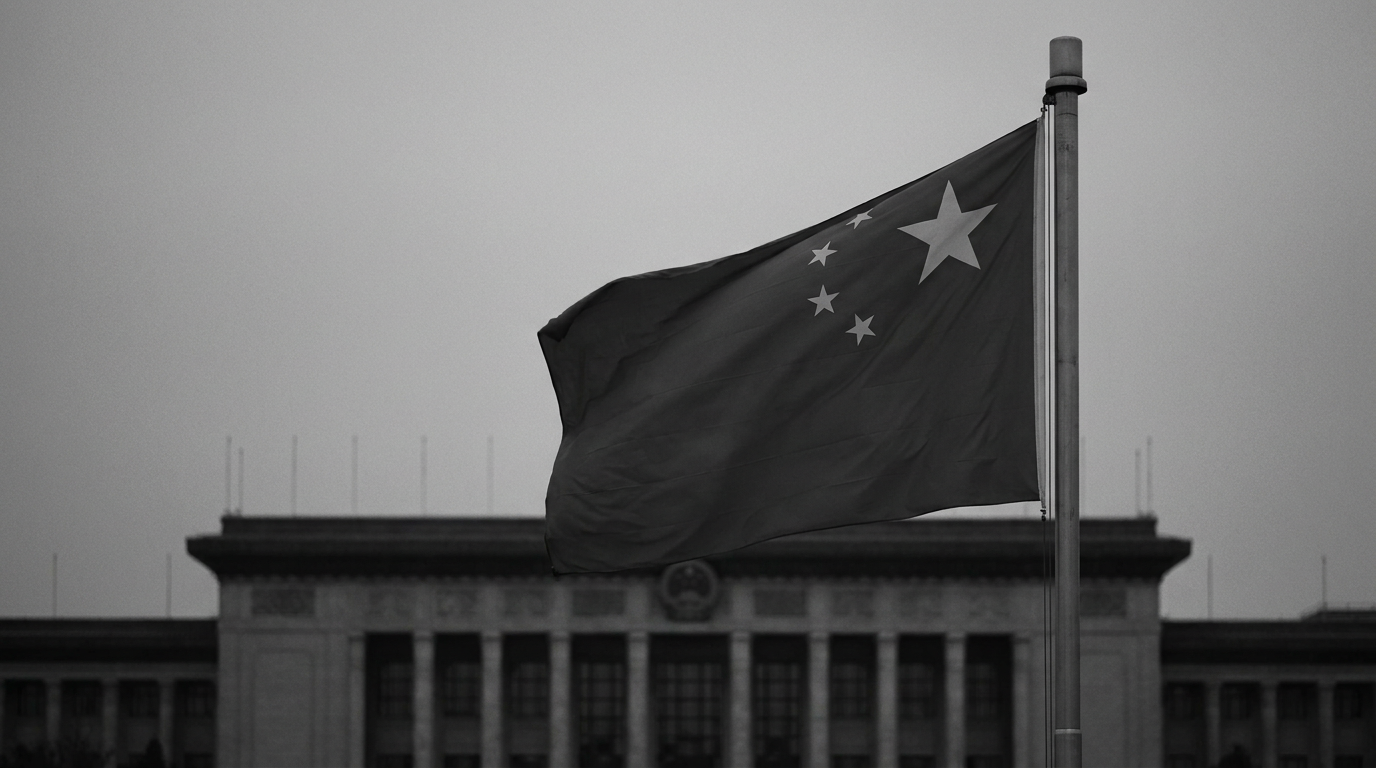
The Hudson Institute published a podcast episode titled "Trump’s China Challenge" on May 14, 2026, adding to the city's steady stream of think-tank coverage of U.S.-China relations. The episode page credits Michael Sobolik and appears under the organization's world news and foreign-policy coverage. The institute is based in downtown Washington, D.C., and regularly produces briefings, commentary, and audio programs aimed at policymakers and opinion leaders.
Hudson’s audio release arrives as U.S.-China relations remain a central focus for Capitol Hill staff, agency officials, and national security policymakers in the Washington region. Think-tank podcasts like this one are a common mechanism for shaping debate inside the Beltway: they synthesize research, amplify expert voices, and provide source material for hearings, briefs, and media coverage.
What the episode is and where it sits
The episode is hosted on the Hudson Institute website and listed in the organization's foreign-policy podcast feed. The program page shows the publication date of May 14, 2026, and names Michael Sobolik in the URL path. It is presented alongside other commentary and events the institute produces on geopolitics, economics, and defense—areas that regularly draw the attention of congressional staffers and agency officials located in Washington.
Hudson Institute, founded and headquartered in Washington, D.C., operates as a policy research organization that seeks to inform public debate. Its output—reports, events, and multimedia—serves a local and national audience and often intersects with the work of think tanks, congressional committees, and executive-branch offices that staff or monitor U.S.-China policy.
Why think-tank audio matters in DC
Podcasts and short audio briefings are increasingly used inside Washington as on-demand briefing tools. Policy staffers, journalists, and lobbyists listen to episodes to capture concise framing, identify sources, and flag arguments for hearings or briefings. An episode titled "Trump’s China Challenge" signals continued interest in how past administrations, political figures, and strategic competition with China are being framed for policy audiences.
Beyond immediate listeners, think-tank releases can set an agenda: they suggest lines of questioning for oversight hearings, offer talking points for advocacy groups, and provide background for reporters covering foreign policy beats in the District. These downstream effects are part of how the local policy ecosystem digests and repackages analysis for decision-makers.
Local context and institutional reach
Hudson’s location in downtown Washington amplifies its proximity to federal institutions and advocacy networks. The institute's events calendar and commentary feed regularly attract attendees and contributors from other D.C.-based think tanks, university centers, and former government officials who remain active in policy discussions. This geographic and institutional proximity helps ensure episodes gain visibility among the same audiences that shape congressional and executive agendas.
Listeners can access the episode on the Hudson Institute website where the organization archives its podcasts and related commentary. The episode joins a larger corpus of work on U.S.-China relations produced by D.C. research centers, contributing one more voice to a crowded policy conversation.
What to watch next: monitor whether Hudson follows the episode with an event, a policy brief, or commentary that translates the podcast’s themes into actionable recommendations for Capitol Hill or federal agencies. Such follow-ups are where think-tank analysis typically moves from commentary into influence.