Hudson Institute Proposes Israel’s Negev as a Secure AI Base for the U.S.
A Hudson Institute commentary argues that Israel’s Negev desert could serve as a secure base for advanced AI infrastructure and collaboration. The piece, p…
Sophie McAlister ·
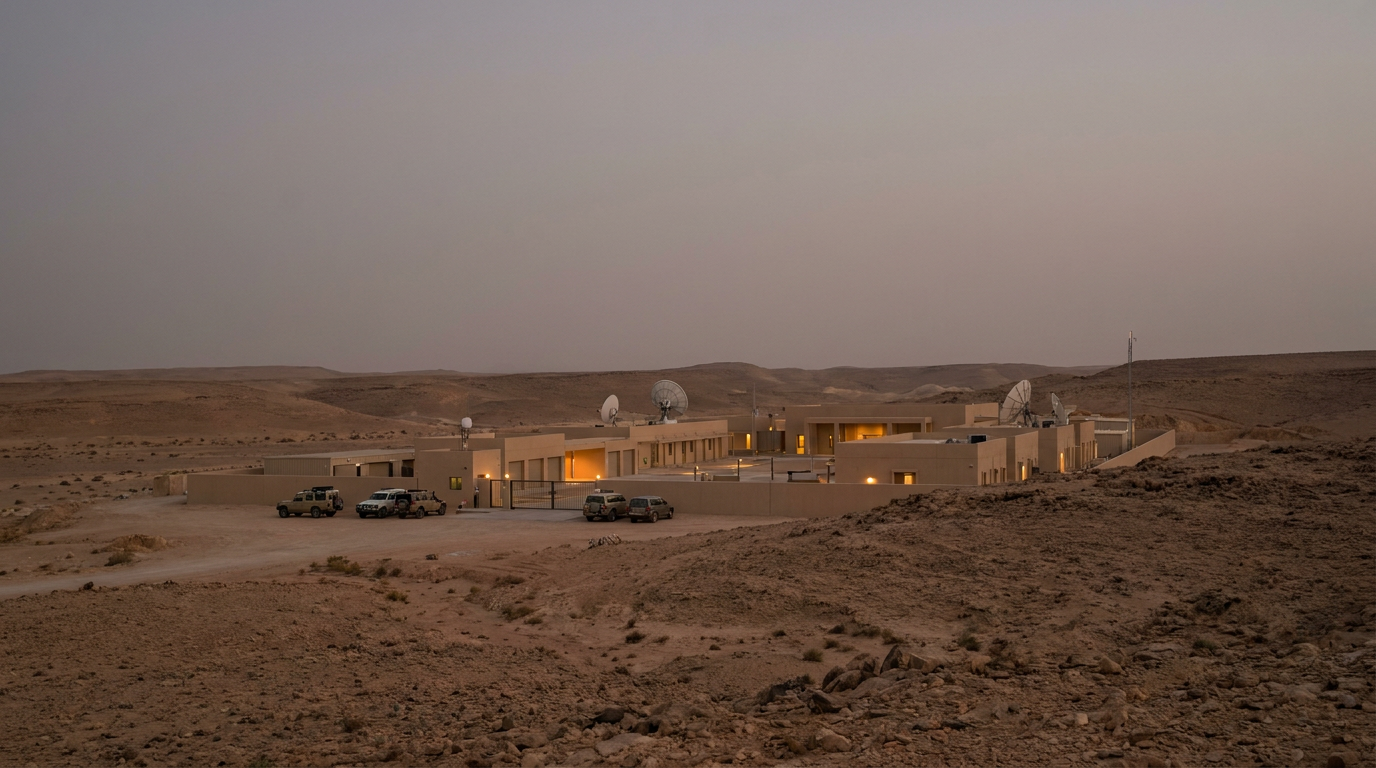
Hudson Institute published a commentary on May 13, 2026, proposing that Israel’s Negev desert could serve as a secure base for advanced artificial-intelligence infrastructure and collaboration. The piece, written by Michale Doran and Zineb Riboua, frames the Negev idea as a strategic option for policymakers and technology planners focused on resilience and national security.
The authors argue that locating sensitive AI facilities in the Negev would offer a combination of geographic separation from major urban centers and close security cooperation with Israeli partners. They position the proposal as part of an ongoing policy conversation about safeguarding critical AI systems and supply chains, and they present the Negev as an option worth considering in that debate.
Authors’ case and framing
In the commentary, the authors outline the rationale for the Negev proposal by emphasizing strategic considerations rather than operational specifics. They characterize the idea as a policy recommendation aimed at U.S. and allied decision-makers who are weighing where to anchor secure computing capacity, research facilities, and sensitive data operations.
The piece does not present binding agreements or announced projects; it is published as an expert opinion intended to influence thinking among defense, technology, and foreign-policy communities. The authors cite broader national-security and technology-policy themes rather than detailing contracts, budgets, or exact sites.
Policy context for Washington
Hudson Institute is a Washington, D.C.-based think tank that engages the policy community. The commentary is presented to a U.S. audience at a time when federal agencies, think tanks, and allied partners are debating how to protect advanced AI capabilities and ensure resilient infrastructure. The authors explicitly address senior policy audiences and the piece is positioned within debates that routinely occupy the National Security Council, the Department of Defense, and Capitol Hill staffers.
Although the commentary advocates for evaluating the Negev option, it does not report any formal endorsement from U.S. agencies or an announced public–private program. The proposal is an intervention in the policy conversation rather than a record of implemented plans.
Experts and officials in Washington often draw on such proposals when shaping strategic plans, procurement priorities, and alliance-level coordination. As a commentary from a prominent D.C. think tank, this piece is likely to be circulated among policy analysts and relevant agency desks as an illustrative idea to test against operational, legal, and diplomatic requirements.
Looking ahead, the commentary is likely to prompt questions about feasibility, legal frameworks, alliance management, and whether any pilot initiatives or formal studies will follow. Observers in Washington will watch for responses from relevant U.S. agencies and for follow-on analysis from other think tanks and experts.