Hudson Institute releases 'America’s AI Blind Spots,' flags policy gaps for DC audience
The Hudson Institute published a May 13, 2026 piece titled “America’s AI Blind Spots,” tied to the Special Competitive Studies Project.
Sophie McAlister ·
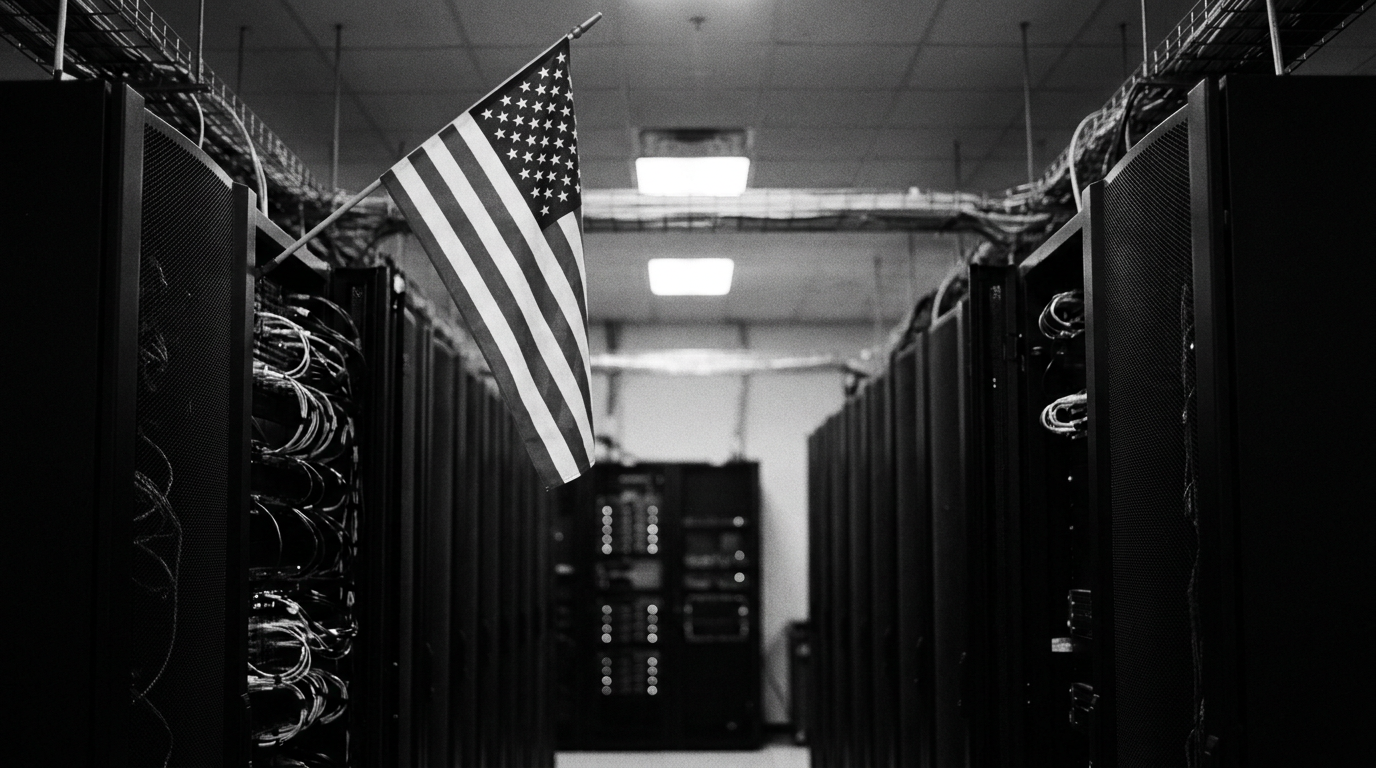
The Hudson Institute published a short analysis titled "America’s AI Blind Spots" on May 13, 2026, linking the discussion to the Special Competitive Studies Project. The piece appears in the think tank’s technology section and is addressed to readers in the policy and national-security communities that follow federal AI planning in Washington, D.C.
The article’s headline frames the central concern: that there are overlooked vulnerabilities and weaknesses in how the United States approaches artificial intelligence. The posting notes the Special Competitive Studies Project in connection with the analysis, signaling a joint interest between the Hudson Institute and a national-security-focused policy effort that is active in the Washington policy ecosystem.
Hudson Institute is based in Washington, D.C., and its technology and national-security work is routinely read by federal officials, Capitol Hill staff, and other local policy practitioners. The Special Competitive Studies Project is similarly engaged with questions of strategic competition and capabilities. That institutional pairing makes the piece immediately relevant to the capital’s policy conversation, even if the analysis itself is concise.
Why the publication matters inside the Beltway
Think-tank outputs are an input into the federal policymaking process in D.C., and short analyses like this one act as signals to staffers, agency officials, and industry advisors about emerging concerns. By publishing a titled analysis about "blind spots," the Hudson Institute is directing attention to areas it believes merit further scrutiny from lawmakers and regulators based in Washington.
The Hudson post does not serve as a formal government report, but it contributes to the chorus of policy commentary that shapes hearings, agency guidance, and interagency discussion. For local audiences—federal policy shops, trade associations, and D.C.-based technology firms—the piece is a prompt to reassess priorities, outreach, and potential research or procurement gaps related to AI.
Context for readers in the District
Washington’s policy calendar includes ongoing debates about how to govern, fund, and secure advanced technologies. Publications from established D.C. think tanks and projects focused on strategic competition tend to influence those debates by offering frameworks, research priorities, or red-flag issues for congressional and executive-branch attention.
Audiences in the District should treat the Hudson piece as a signpost rather than an exhaustive roadmap. It is a concise contribution to a broader, continuing conversation among policymakers, defense and intelligence staff, regulatory agencies, and private-sector partners who are all active in the D.C. ecosystem.
What happens next will depend on whether this analysis is picked up by committee staff or agency officials and whether it prompts follow-up research, briefings, or events in Washington.