How Japan's energy imports shifted away from Gulf crude
Japan's energy imports rose 12.5% in May as Tokyo aggressively diversified crude supply chains toward the U.S. to mitigate Middle East shipping constraints.
Mei Lin ·
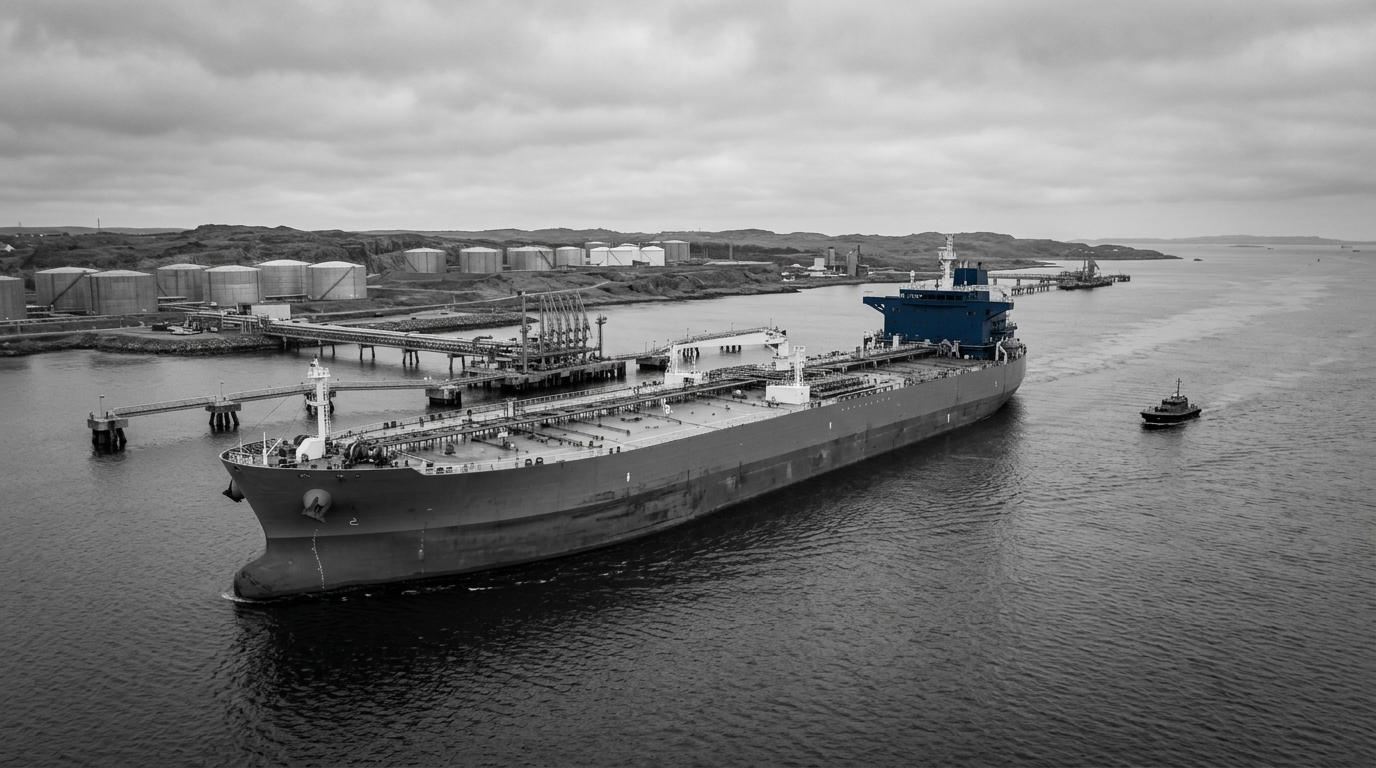
Japan's energy imports expanded rapidly in May as geopolitical friction forced the resource-poor nation to secure expensive alternative oil supplies.
According to recent government statistics, total purchases from abroad rose by 12.5% compared to the previous year, accelerating from the 9.8% expansion recorded in April. This sudden spike highlights the fiscal vulnerabilities of an island nation highly dependent on imported fossil fuels to power its domestic factories and cities.
The primary driver behind this escalating import bill remains the ongoing instability inside the Middle East. With key commercial shipping lanes experiencing severe bottlenecks, global crude benchmarks skyrocketed, forcing Tokyo to purchase energy at highly inflated prices.
The ongoing closure of the Strait of Hormuz has forced a fundamental realignment of global trade routes. Japanese trade firms have been forced to navigate these shipping choke points by establishing alternative long-term contracts, which ensures security of supply but alters historic trade flows.
Geographical Pivot to Western Suppliers
To mitigate the risk of physical shortages, Japanese energy companies drastically overhauled their physical procurement channels. Financial registries show that while Japan's aggregate crude volume arrivals dropped by 28.5% year-on-year, shipments sourced directly from the United States skyrocketed by an astonishing 663.4% during the same timeframe.
This dramatic shift underscores a strategic decision by national buyers to prioritize supply-chain resilience over geographical proximity. Prime Minister Sanae Takaichi reassured the government that current national reserves, combined with these newly established non-Middle Eastern routes, will satisfy domestic energy demands until at least March 2028.
However, analysts suggest that while this restructuring protects the country from sudden maritime blockades, the long-distance transport costs add a heavy premium to the nation's trade balance. Shipping fuel across the Pacific Ocean introduces sustained logistics expenses that complicate Tokyo's long-term balancing acts.
Monetary Policy Braces for Inflationary Winds
The ballooning import bill has introduced serious inflationary pressures across the Japanese domestic economy, threatening to erode consumer spending power. In response to these systemic threats, the Bank of Japan recently lifted its benchmark interest rate to a 31-year high, signaling an aggressive departure from its ultra-loose monetary regime.
This monetary shift aims to prevent the domestic currency from weakening further against the U.S. dollar, which would otherwise drive raw material import costs even higher. The intersection of geopolitical energy crises and aggressive central bank policies highlights the delicate financial balancing act currently underway.
Bank of Japan Deputy Governor Shinichi Uchida noted that the government's aggressive supply diversification has successfully hedged the island nation against a severe industrial downturn. Even so, the central bank remains highly vigilant as currency depreciation and energy costs continue to exert upward pressure on consumer prices.
Looking forward, Japan's economic stability will depend heavily on the viability of these newly formed transit corridors. Policymakers and market participants will closely watch whether Tokyo's reliance on American crude can anchor prices, or if elevated logistics costs will pressure the central bank into further interest rate hikes later this year.