Global Oil Prices Surge Amid Middle East Tensions
Global oil prices surge to $100 per barrel amid Middle East tensions, impacting Asian economies heavily reliant on Gulf energy supplies.
Atlas Newsdesk ·
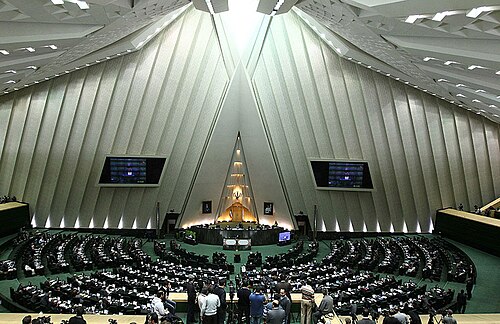
, Israel, and Iran. This surge is primarily attributed to military actions targeting shipping lanes and energy infrastructure, alongside the partial closure of the Strait of Hormuz, a critical chokepoint for approximately one-fifth of the world's oil supply. The disruption underscores the global economy's significant dependence on energy resources originating from the Persian Gulf region.
Asian Economies Face Significant Energy Challenges
Asian nations are particularly vulnerable to these supply disruptions, as nearly 90% of all oil and gas transiting the Strait of Hormuz in the past year was destined for the region. Countries such as the Philippines, which imports about 95% of its crude oil from the Middle East, confront substantial economic pressures.
Refineries across Southeast Asia are specifically configured to process 'heavy sour' or 'medium sour' crude oil types predominantly sourced from the Middle East, making a rapid transition to alternative suppliers technically and financially challenging without considerable investment.
Government Responses and Economic Repercussions
In response to rising energy costs, several governments in the affected regions have initiated fuel-saving measures. Examples include the implementation of four-day work weeks and mandates for higher air conditioner temperatures in public sector buildings. The sharp increase in jet fuel costs, which rose by nearly 60% last week, is also impacting food prices, particularly in import-reliant nations like Singapore, which procures 90% of its food from abroad.
Regional and Global Market Adjustments
Across the globe, both petrol and diesel prices have seen significant increases. Vietnam, for instance, has experienced a nearly 60% rise in diesel prices over the past month. South Korea has introduced a temporary cap on fuel prices, while Japan is planning subsidies for oil wholesalers to mitigate consumer impact.
Japan and South Korea have also committed to releasing millions of barrels from their national strategic reserves, aligning with an International Energy Agency (IEA) agreement, despite their increased reliance on Middle Eastern energy following reductions in Russian oil imports.
Mitigation Strategies and Future Outlook
China, possessing substantial oil reserves and a high rate of electric vehicle adoption, is comparatively better positioned to absorb the impact of these price increases. The current geopolitical landscape highlights the persistent vulnerabilities in global energy supply chains and the urgent need for diversification and energy security strategies. The long-term implications for global inflation and economic growth remain a key concern for policymakers worldwide.
Implications
Country Impact: Asian economies, particularly those in Southeast Asia like the Philippines, face heightened energy insecurity and increased import costs due to their heavy reliance on Middle Eastern crude. Governments are implementing austerity measures to curb consumption and manage inflationary pressures.
Industry Impact: The refining industry in Asia faces challenges due to its specialized infrastructure for Middle Eastern crude, making a swift transition to alternative sources difficult. The aviation sector is experiencing significant cost increases from jet fuel, impacting operational expenses and potentially ticket prices.
Market Impact: Global oil markets have seen a substantial price surge, pushing crude to $100 per barrel, contributing to inflationary pressures worldwide. This impacts consumer prices for fuel and food, potentially leading to broader economic slowdowns and requiring government intervention through subsidies or price caps.