Oil Prices Climb on Middle East Conflict, Supply Fears
Oil prices surged past $119 a barrel this week due to Middle East conflict fears and potential Strait of Hormuz disruption.
Atlas Newsdesk ·
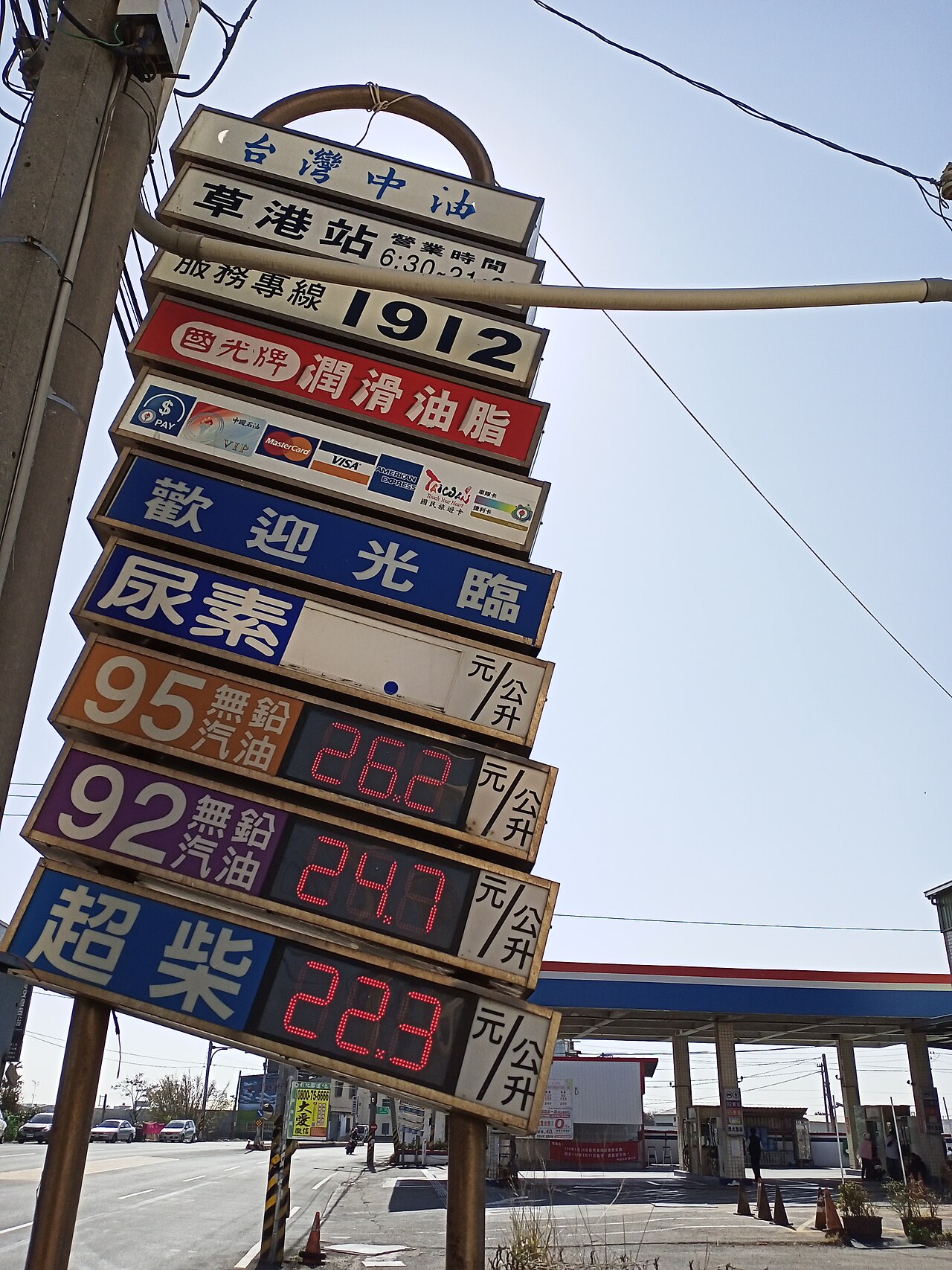
Global crude oil prices have surpassed $119 per barrel this week, marking their highest level since February 2022. This escalation is primarily attributed to heightened geopolitical tensions in the Middle East, specifically concerns surrounding the Strait of Hormuz. The waterway is a crucial chokepoint for approximately one-fifth of the world's seaborne oil shipments.
Geopolitical Drivers and Market Reaction
The recent surge follows an escalation of conflict involving the US, Israel, and Iran. Market analysts, including those from Goldman Sachs, suggest that a sustained disruption to the Strait of Hormuz could have a more significant impact on global oil supply than the 2022 reductions in Russian oil output. This assessment underscores the strategic importance of the strait to international energy markets.
Economic Implications and Inflationary Pressure
Should the Strait of Hormuz face prolonged closure, oil prices could potentially reach $150 per barrel, exceeding the previous record of $145.29 set in July 2008. Such a scenario would likely trigger a new wave of inflationary pressures globally. Central banks, which had previously anticipated potential interest rate reductions, might be compelled to implement further borrowing cost increases to combat rising prices.
Impact on Consumers and Businesses
Elevated energy costs are expected to translate directly into higher consumer prices for transportation fuels and household energy. Businesses across various sectors would also face increased operational expenses, impacting global supply chains. Economists are warning that a protracted period of high oil prices combined with increased geopolitical uncertainty could dampen consumer demand and overall economic activity, raising the specter of stagflation.
Vulnerable Economies and Policy Responses
Nations heavily dependent on energy imports, particularly within Europe, are poised to face substantial economic challenges. Governments may consider deploying emergency oil reserves to stabilize markets and accelerate investments in renewable energy sources to bolster long-term energy security. These measures aim to mitigate the economic fallout from disrupted oil supplies and volatile prices.
Historical Context of Oil Market Volatility
Historically, geopolitical events in the Middle East have frequently triggered significant fluctuations in global oil prices. Past crises, such as the 1973 oil embargo and the 1990 Gulf War, demonstrate the region's critical role in global energy stability. The current situation highlights the ongoing vulnerability of the global economy to disruptions in key energy transit routes and major producing regions.
The market's reaction reflects a deep-seated concern about the potential for widespread supply shortages and their cascading economic effects.
Outlook for Global Energy Markets
The trajectory of oil prices will largely depend on the de-escalation or intensification of the Middle East conflict. Any sustained disruption to shipping through the Strait of Hormuz would necessitate a coordinated international response to manage supply and demand. The long-term implications could accelerate the transition towards alternative energy sources as countries seek to reduce their reliance on volatile fossil fuel markets.
Implications
Country Impact: Countries heavily reliant on energy imports, especially in Europe, face significant economic challenges due to higher energy costs and potential supply disruptions. Governments may release strategic reserves and boost renewable energy investments.
Industry Impact: The energy sector will experience heightened volatility, with potential for increased revenues for producers but also greater operational risks. Industries dependent on global supply chains will face rising input costs and potential disruptions.
Market Impact: Global financial markets are likely to react with increased inflation concerns, potentially leading central banks to maintain or raise interest rates. This could impact equity valuations, bond yields, and currency stability, particularly in import-dependent economies.