Japan 3G shutdown pushes elderly users to smartphones
Japan 3G shutdown is pushing about 500,000 elderly users to smartphones, boosting training demand and forcing upgrades for 3G-dependent systems.
Ayla Demirhan ·
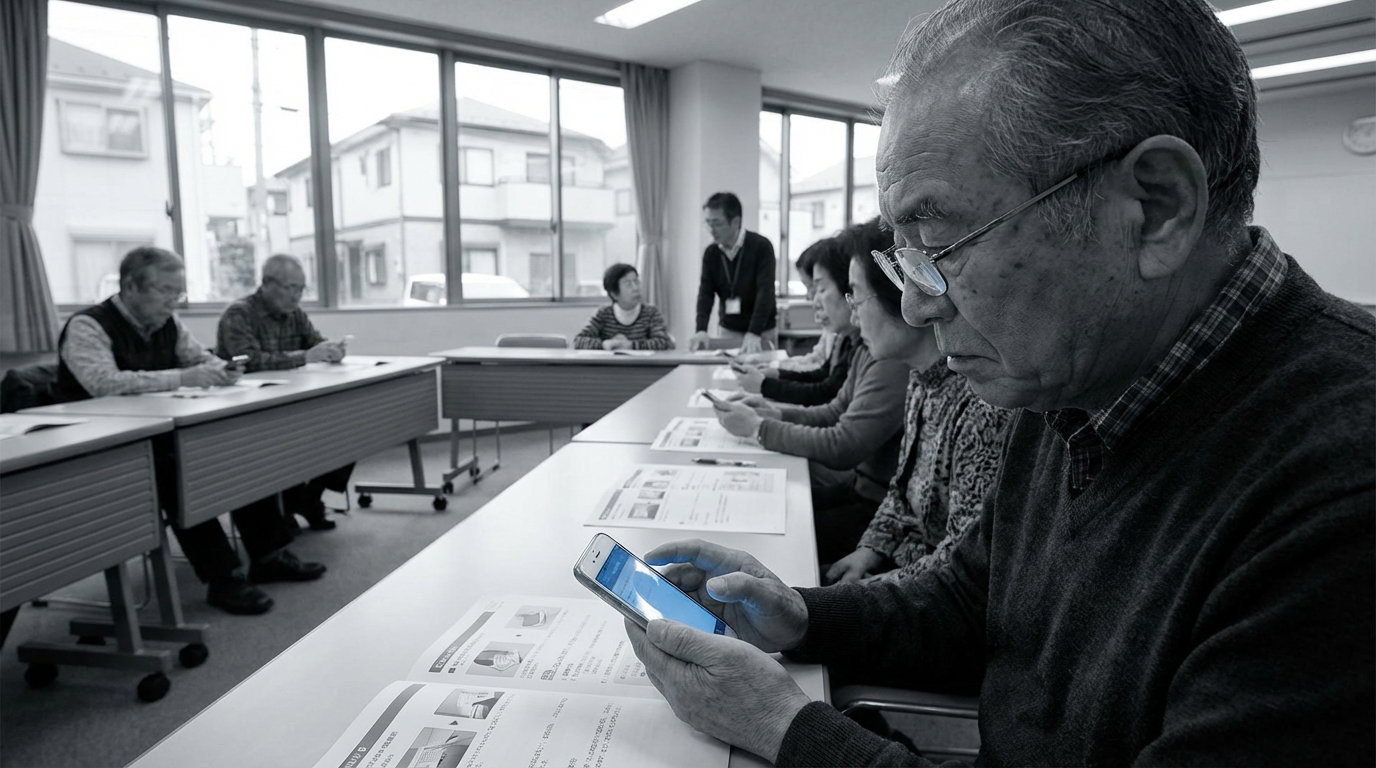
Japan’s mobile carriers have ended support for older 3G networks, forcing a large group of mainly elderly customers to change how they stay connected. An estimated 500,000 older users are being pushed to move from legacy handsets to smartphones as 3G service is switched off. Companies said the change is tied to retiring inefficient base stations, a step intended to cut electricity use.
The final major carrier still operating 3G, NTT Docomo, ended its 3G service at the end of March. The shutdown followed au’s 3G exit in 2022 and SoftBank’s in 2024. With 3G no longer supported, customers who keep older devices risk losing core functions such as voice calls and email, and may face contract cancellations unless they move to devices that work on 4G and 5G networks.
The impact extends beyond personal phones. Officials and companies involved in the transition said some early car navigation systems, vending machines, and unstaffed car parks also relied on 3G connectivity for operations. As those connections disappear, affected equipment must be updated to remain functional on newer networks.
The network change is also reshaping demand for digital skills training. Across Japan, carriers and public facilities are expanding smartphone literacy courses aimed at older residents who previously relied on simpler feature phones. The classes cover basic device operation and practical daily-use functions, including online payments, health trackers, and weather forecasts.
Organizers said the programs are designed to reduce the risk of “analogue isolation,” a concern that people who do not adopt newer devices could be cut off from essential communication and services. The courses also address worries about security and the perceived complexity of smartphones, particularly because many older users are targets of online scams.
Telecom operators are moving customers and connected devices onto 4G and 5G, while communities are trying to ensure older residents can still access communication tools. The same transition pressures operators of 3G-dependent machines to invest in replacements or upgrades, linking a telecom infrastructure decision to broader service continuity across everyday commerce and transport-related systems.