Houthis claim drone attack on Saudi Red Sea refinery
Houthis said on August 9, 2026 they struck a Saudi Red Sea refinery with drones, as the 2022 truce shows signs of failing after July.
Claire Dubois ·
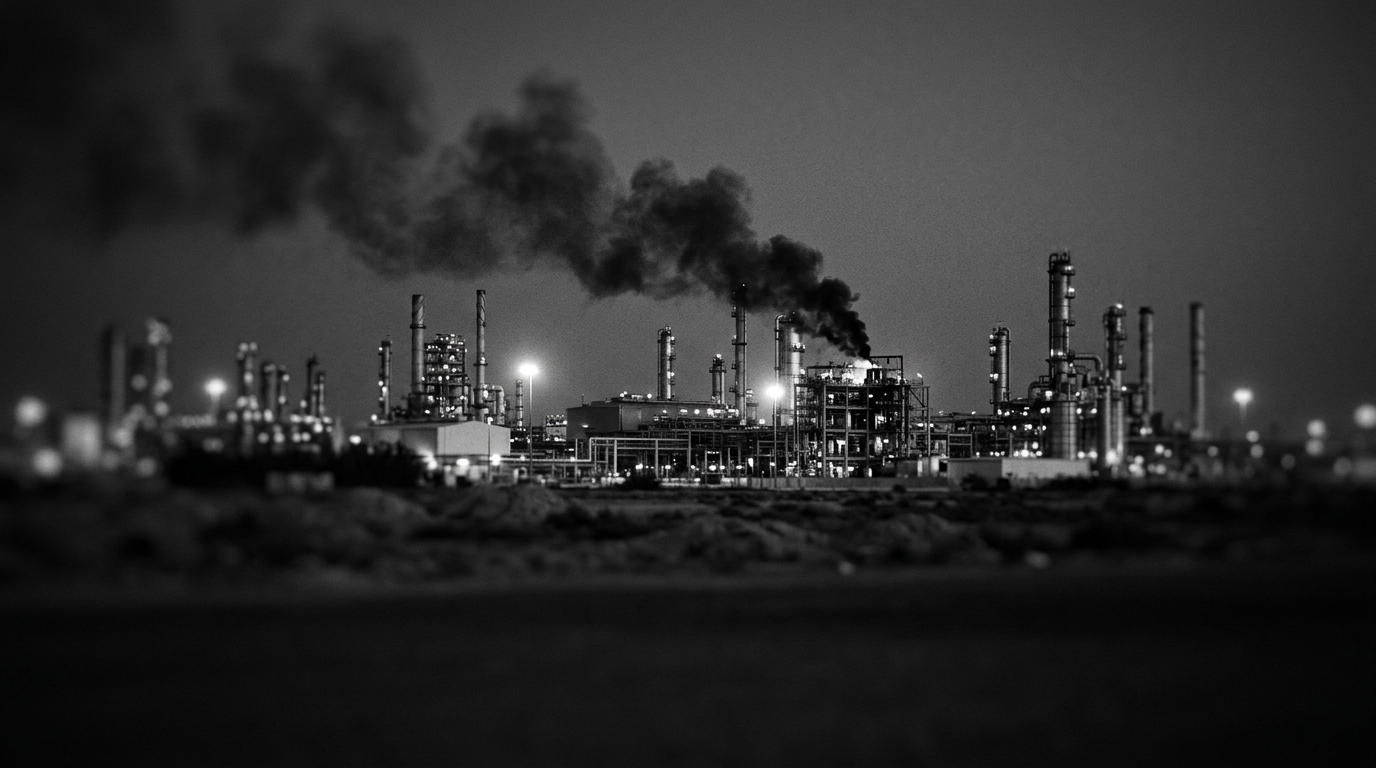
Yemen’s Iran-aligned Houthis said on August 9, 2026 that they carried out a drone attack on a refinery on Saudi Arabia’s Red Sea coast. The group’s statement came as it reported an increase in its attacks, following indications that a 2022 truce was no longer holding after developments last month.
The claim could not be independently verified based on the information provided. Officials and operators had not, in the information available, publicly confirmed physical damage, disruption, or interception linked to the reported strike.
Claimed strike and the state of the truce
The Houthis have been a central combatant in Yemen’s long-running conflict. The movement has previously used drones and missiles in cross-border operations, including against targets in Saudi Arabia.
The latest claim was presented by the group as part of a broader pattern of escalation. The same account pointed to the truce agreed in 2022 as having reduced fighting for a period, while suggesting that the arrangement appeared to have been broken last month.
While the claim highlights renewed pressure on regional energy infrastructure, the immediate operational consequences remain unclear without official confirmation. The source material flags that physical damage and the effect on operations cannot be confirmed from the signal provided.
Euro-area exposure through energy and risk sentiment
The source material argues that any near-term transmission to the euro area would primarily run through energy prices and broader risk sentiment rather than direct trade exposure. If investors treat attacks, or attempted attacks, on Saudi facilities as a credible supply-risk signal, markets can reprice crude and refined products.
That price channel can feed into euro-area headline inflation measured by the Harmonised Index of Consumer Prices (HICP), which is compiled by Eurostat and monitored by the European Central Bank. The material notes that a sustained energy-driven rise in HICP could complicate the central bank’s task because energy shocks can raise headline inflation while weighing on growth.
The same framework points to potential spillovers into European rates markets if geopolitical risk rises. It highlights safe-haven demand for German government bonds (bunds) and, in a risk-off move, the possibility of a wider spread between Italian BTPs and bunds if investors require more compensation to hold higher-debt sovereign paper.
What confirmation could change the picture
The source sets out specific signposts through August 16, 2026. It says market interpretation would be affected by any public confirmation from Saudi authorities or the refinery operator describing damage, disruption, or an interception connected to the claimed strike.
Two conditions are outlined. A “condition right” scenario would involve an official Saudi statement or operator update confirming an attack attempt and reporting operational effects such as shutdowns, reduced throughput, or repairs. A “condition wrong” scenario would involve official updates denying impact or stating that operations are normal, alongside the absence of further claims over the week.