House bill 9409 would curb remote locomotives, chilling rail-yard automation
Rep. Timothy M. Kennedy introduced H.R. 9409 to ban remote control locomotives. This potential prohibition creates a procurement freeze for rail operators.
Edward Mullen ·
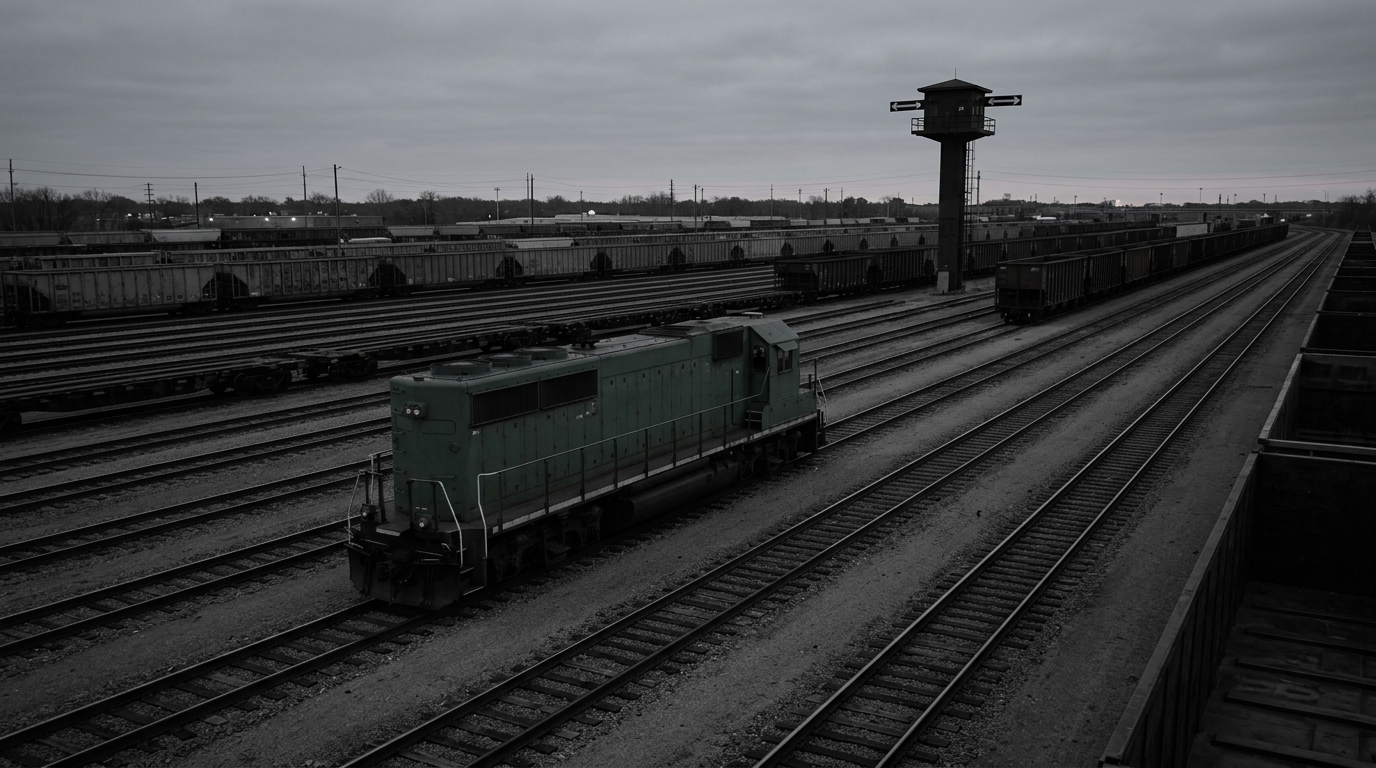
Railroad operators assume that switching-yard automation is too far advanced for federal regulators to derail. That consensus ignores how quickly a single committee referral can freeze capital. With H.R. 9409 threatening to prohibit key remote-locomotive operations, carriers face a sudden regulatory wall within twelve months. Yard-automation pilots will stop cold, forcing a retreat back to manual crews that will raise terminal operating costs by fifteen percent.
What the listing actually says — and what it doesn’t Congress.gov’s summary is sparse: the bill aims “to prohibit certain operations of remote control locomotives” and has been referred to the House Committee on Transportation and Infrastructure. There are no public details in this listing on the definition of “remote control,” which operations are implicated, whether pilot programs are exempted, or any compliance timelines, penalties, or carve‑outs. In other words, the formal posture is introduction and referral, not markup or passage.
Why a bare prohibition reads like a procurement freeze The dominant read circulating in industry chatter is that this is just another safety‑framed labor dispute that can be negotiated away with training or work‑rule concessions. That view misses the structural nature of a statutory “prohibit” trigger: when a ban is even on the table at the federal level, risk‑adjusted capital planning treats teleoperated yard moves as potentially non‑compliant upon enactment.
Legal, safety, and compliance teams will not greenlight new equipment, software, or trials that might be outlawed in a matter of months, particularly when the committee of jurisdiction is named and the text (while not yet detailed here) explicitly targets “remote control locomotives.” The operational upshot isn’t theoretical — it’s a near‑term freeze on new pilots until scope and exemptions are clarified.
The load‑bearing omissions create maximum uncertainty for operators
Because the listing does not spell out which “operations” are in scope, operators cannot tell whether the bill targets specific yard movements, line‑haul contexts, or any software‑assisted remote actuation. There’s no signal on whether limited research pilots would be permitted, whether legacy deployments would be grandfathered, or how enforcement would proceed.
That vacuum matters: without definitions or timelines in public view, counsel cannot write a defensible risk memo, procurement cannot issue clean RFPs, and operations chiefs cannot plan training or staffing models that assume teleoperation. The uncertainty itself is the constraint.
Single‑thread packet, but a live docket The only publisher in this reporting packet is congress.gov, and the primary listing is the sole thread for H.R. 9409. A same‑day listing for H.R. 9401 — an unrelated disability discrimination bill introduced by Rep. Steve Cohen (D‑TN‑9) with 48 cosponsors — underscores that June 23, 2026 carried a heavy introduction docket across issues, rail included. That doesn’t validate substance; it does confirm procedural movement in the chamber and committee where rail policy work begins.
The counter: It may stall, or narrow, before it bites Skeptics will argue many introduced bills never advance beyond referral, and that safety‑oriented language often narrows during markup to clarify scope or exempt pilots. That is plausible, and today’s listing does not show a hearing, markup, or companion bill status.
The mispriced risk is in assuming that a likely narrowing later justifies business‑as‑usual now: for any yard‑automation or teleoperation purchase in the pipeline, the prudent move inside large operators is to pause until the committee puts definitions on paper.
If the bill dies in committee, the pause lifts; if it advances, the organization hasn’t stranded capital.
What changes this quarter for rail operations leaders
Absent detail, the practical shift is procedural: budget holders will route any contract that touches “remote control locomotives” through legal review keyed to H.R. 9409’s progress; operations leaders will re‑sequence work so that manual processes backfill any delayed teleop trials; and strategy teams will stress‑test yard‑throughput assumptions without remote assistance.
None of that presumes passage — it reflects the cost of uncertainty when a prohibition bill sits in the exact committee named in the listing. These are conservative moves meant to avoid near‑term write‑downs if the bill’s scope indeed captures common yard teleoperation practices.
The six‑month tells that will clarify the scope
The first real signal will be whether the House Committee on Transportation and Infrastructure schedules any action on H.R. 9409; a hearing or markup notice on the congress.gov page would make the procurement freeze explicit.
The second will be the public posting of detailed bill text or amendments that define “certain operations” with specificity, letting counsel separate research pilots from banned practices. A third is whether the bill accrues visible cosponsors on congress.gov, converting a single‑member introduction into a whip‑countable coalition.
Any of these would shift internal risk memos from “watch and pause” to “revise scope and proceed” — or confirm that teleoperation gear stays off the table this budget year.
The future‑of‑work stake is local and immediate
This is not an abstract AI debate; it is about whether yard supervisors can plan on remote assistance to cover shifts, how training budgets are allocated between teleop consoles and on‑equipment certification, and whether unions and management negotiate over new roles this year or revert to existing craft lines. With only an introduction and referral on record, none of those outcomes are fixed — but the listing alone is enough to slow the shift toward remote yard work until Congress either narrows the scope or declines to act.
For leaders managing terminals and workforce pipelines, that timing is the decision.