Hormuz traffic stays low as regional risk tests tankers
Hormuz crossings stayed between 6 and 12 a day, Kpler said, while Bab el-Mandeb traffic recovered as some ships resumed transit.
Lauren Collins ·
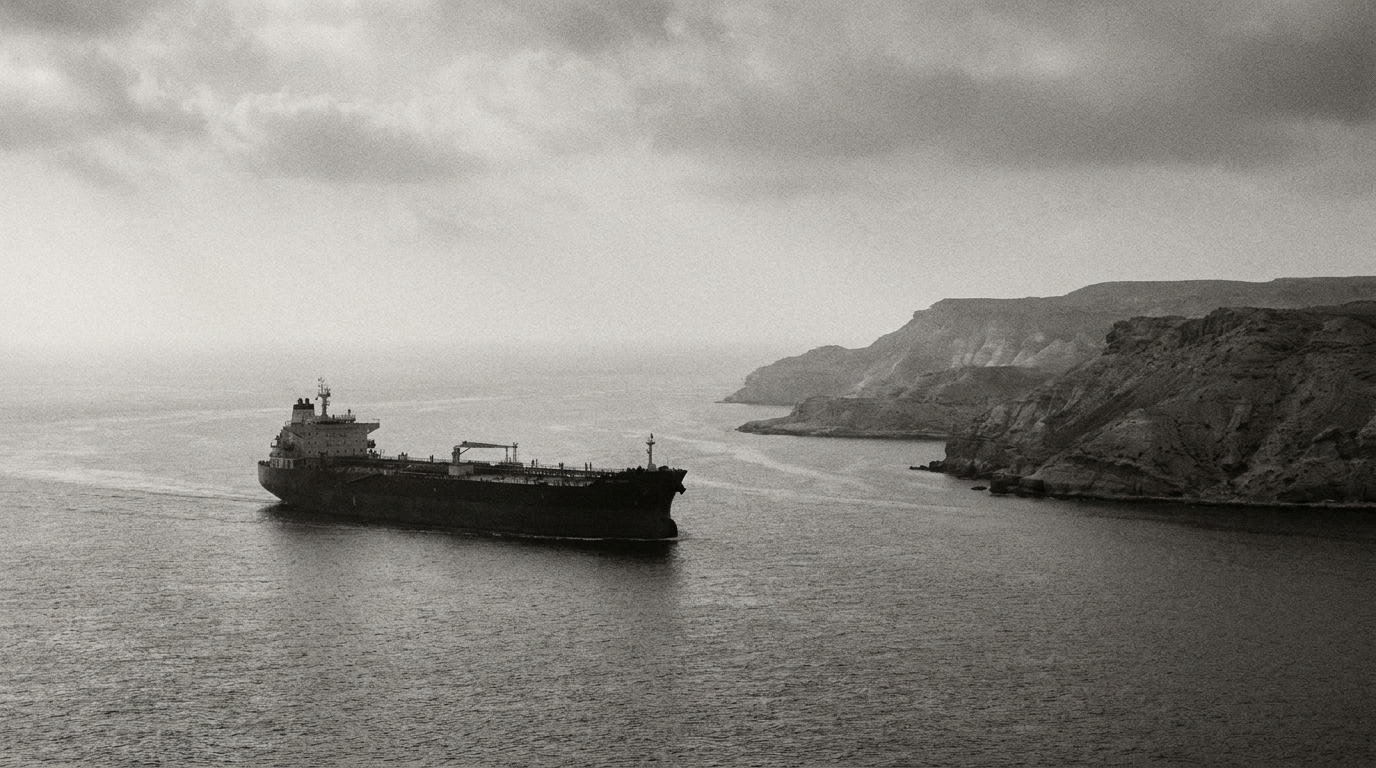
Hormuz crossings stayed between 6 and 12 a day, Kpler said, while Bab el-Mandeb traffic recovered as some ships resumed transit. The figures point to continuing caution in one Gulf route and a partial rebound in another Red Sea-linked passage.
The slower pace through the Strait of Hormuz lasted through the weekend, matching the reduced range recorded late last week, according to ship-tracking firm Kpler. The reduced pace persisted even after the United States paused its fire against Iran, a step that eased one immediate military pressure but did not fully reset shipping behavior.
Hormuz traffic stays muted
The Strait of Hormuz remains the route drawing the sharper pullback in the available data. Kpler’s count of 6 to 12 daily crossings suggests that ship operators were still treating the waterway as a live-risk decision rather than a routine passage.
That matters because maritime traffic often reacts not only to actual closures, but also to the perceived chance of escalation, insurance adjustments and instructions from cargo owners. A pause in fighting can reduce danger, yet it does not automatically restore confidence if crews, charterers or insurers believe the political setting could change again quickly.
The source data do not identify vessel types, cargoes, flags or the number of ships that delayed rather than diverted. That limits how far the numbers can be read, but the direction is clear: Hormuz activity had not returned to a normal-looking pattern by the end of the weekend.
Bab el-Mandeb recovers ground
Traffic through Bab el-Mandeb appeared more resilient after a weaker stretch last week, Kpler said. The change followed threats by Yemen’s Houthis to block Saudi Arabia, a warning that had prompted some vessels to turn back before later continuing.
Several ships that reversed course at first completed their crossings over the weekend, according to Kpler. That behavior suggests that at least part of the shipping market still judged the route usable, even after testing alternative plans or waiting for clearer signals.
The contrast between the two routes is important for companies moving cargo through the Middle East. In Hormuz, operators appeared to remain conservative despite the U.S. pause; in Bab el-Mandeb, some operators seemed willing to proceed after a short delay.
Shippers balance delay and danger
The immediate winners are operators with flexible schedules, alternative routing options or contracts that allow delays without large penalties. The pressure falls more heavily on ships tied to fixed delivery windows, cargo owners exposed to demurrage, and charterers that must decide whether a delay is cheaper than a riskier transit.
For the wider shipping sector, the weekend data reinforce a pattern seen in geopolitical chokepoints: navigation decisions can change ship by ship rather than all at once. A single threat may reduce traffic, but the recovery can be uneven as each operator weighs vessel location, cargo urgency, insurance terms and instructions from clients.
The global macro effect is harder to measure from this source alone because Kpler’s figures here cover crossings, not cargo volumes or prices. Still, persistent caution around Hormuz can feed into broader concern about energy logistics, while steadier movement through Bab el-Mandeb can limit the spillover if ships keep completing transits.
Three paths for chokepoints
If the U.S. pause holds and no new maritime warning follows, Hormuz crossings could gradually improve as risk departments and insurers become more comfortable. That would reduce logistics friction for companies using Gulf routes and ease one pressure point for the broader shipping industry, with a calmer macro signal for energy-linked trade.
If traffic instead remains in the 6 to 12 daily range, the market would be dealing with a slow normalization rather than a clean reset. In that case, shipowners and cargo firms may continue building time buffers into schedules, the industry would face less efficient vessel use, and global markets would keep a risk premium attached to the route.
If threats expand around Bab el-Mandeb or the Houthis take new action, the current rebound could stall. That would expose companies using the route to renewed delays, raise the industry’s need for rerouting decisions, and add another channel of uncertainty to global trade flows already sensitive to Middle East security signals.
The main open questions are concrete: whether Hormuz crossings rise above last week’s range, whether ships that hesitated at Bab el-Mandeb continue to complete transit, and whether military or political signals change the risk calculations again. Until those answers show up in vessel movements, Kpler’s tracking data will remain the clearest read on how shipping operators are voting with their routes.