Hormuz Tensions Elevate Oil Prices, Prompt Flight Changes
Incidents in the Strait of Hormuz heightened oil market risks and led to UAE flight schedule adjustments, with market reactions anticipated.
Mateo Fernandez ·
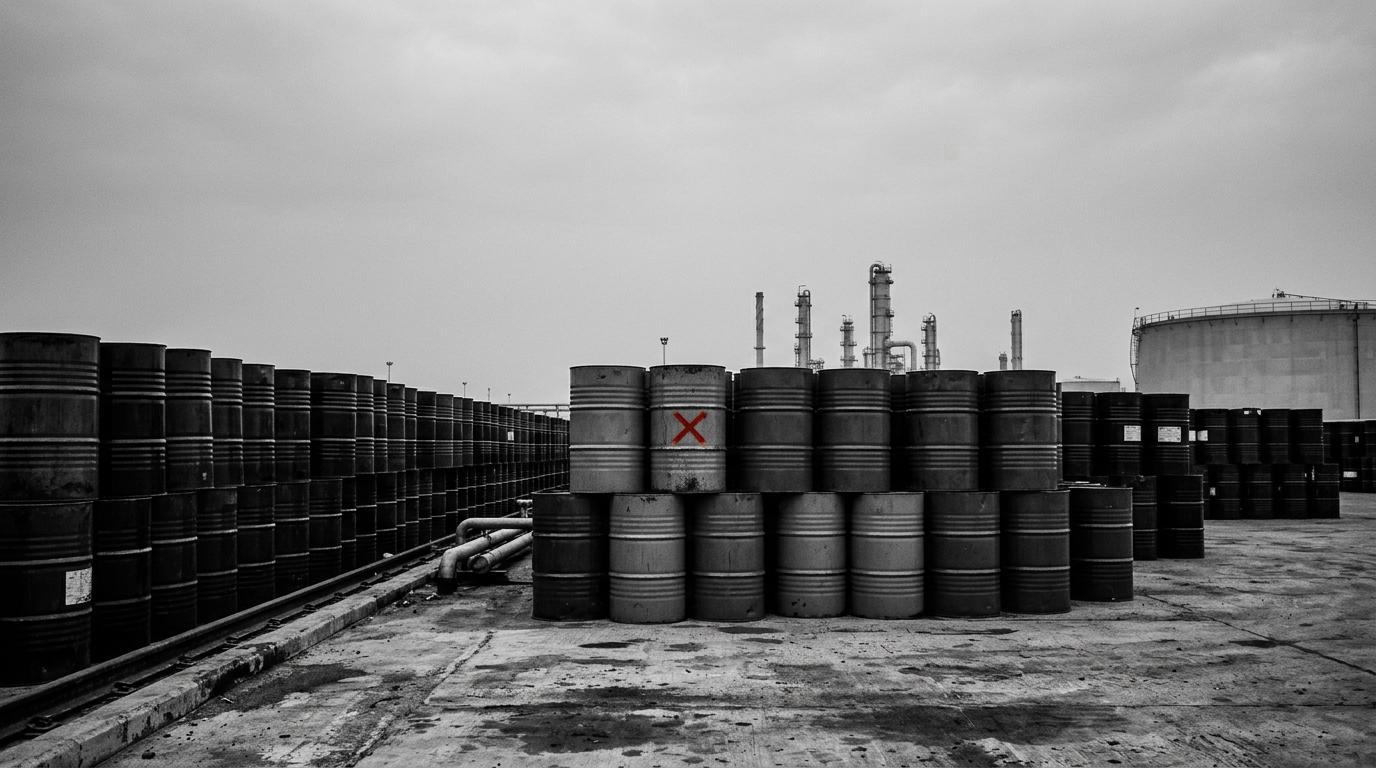
Recent reports of activity in the Strait of Hormuz have intensified concerns regarding oil tanker movements through the critical maritime passage. This development has introduced increased risk into the global oil market and prompted adjustments to flight schedules within the United Arab Emirates, according to official statements. The narrow strait serves as a vital conduit connecting major Gulf oil producers to international markets, making any disruption significant.
Officials indicated that any impediments to vessel transit or the implementation of enhanced security protocols could lead to higher freight costs. Such measures, including rerouting or delaying shipping routes, have the potential to exert upward pressure on crude oil prices globally. Market participants are closely monitoring the situation, with further reactions expected as new information emerges.
Regional Transport Adjustments
In response to the heightened regional tensions, airlines and airport authorities have begun modifying their operational timetables. Passengers are being informed of flight cancellations and rebookings. Authorities have advised residents and travelers to consult direct communications from their carriers and review updated travel advisories before making plans.
While the immediate impact on fuel supplies within the UAE appears to be contained, officials cautioned against prolonged strain on tanker schedules. A sustained disruption could lead to a tightening of refining margins across the region, potentially affecting pump prices for consumers. The situation remains fluid, with stakeholders evaluating the evolving circumstances.
Market Outlook and Diplomacy
Further official updates and market responses are expected within the next 24 hours. Authorities and transportation providers are preparing to issue additional statements, and commodity traders are reassessing freight and supply chain risks associated with the Strait of Hormuz. The diplomatic landscape also remains a factor, as previous statements from President Trump indicated a renewed interest in pursuing an agreement with Iran, adding another layer of complexity to regional dynamics.
The geopolitical sensitivity of the Strait of Hormuz underscores its importance not only for crude oil transportation but also for global trade and regional stability. Any escalation or prolonged uncertainty in this area can trigger ripple effects across various sectors, from energy markets to international aviation. Stakeholders continue to monitor the situation for clarity on long-term implications.