Hormuz crisis deepens as US-Iran strikes continue
Escalation around the Strait of Hormuz raises supply-security risks for oil markets and Gulf shipping routes.
Mateo Fernandez ·
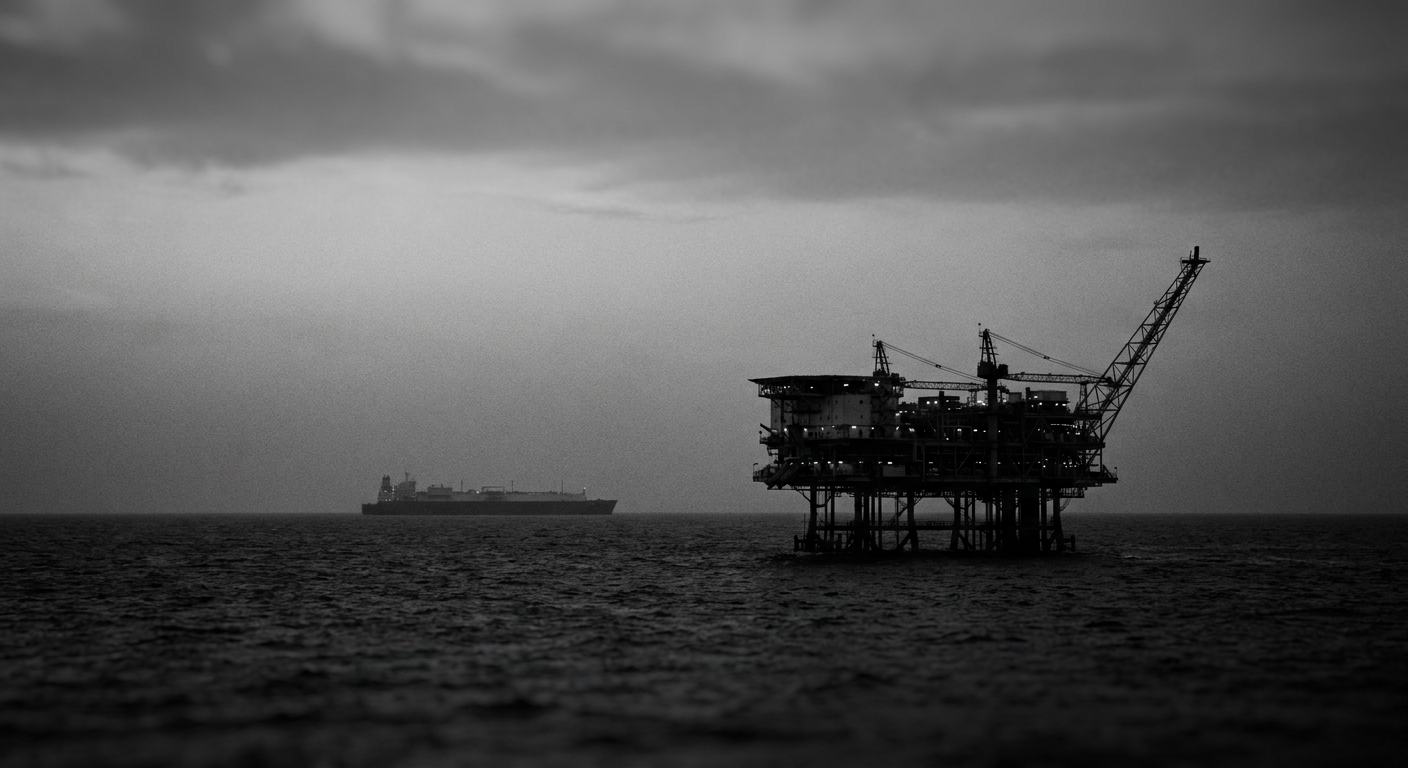
The Strait of Hormuz crisis deepened Friday as US-Iran strikes continued, raising the risk that a military exchange could spill into one of the world’s most sensitive energy corridors. Reaction pending.
The strait is the main maritime passage linking Gulf producers to global buyers, so any threat to navigation can quickly move from a regional security event into an oil-supply risk. The immediate market question is whether shipping lanes remain open and whether insurers, tanker operators or energy companies begin to price in a higher risk premium.
Hormuz shipping risk widens
The reported continuation of strikes keeps attention on the operational status of Gulf ports, naval patrols and tanker traffic. Even without a formal closure, disruption can emerge through slower transits, higher war-risk insurance costs or voluntary rerouting by shipowners.
For the global economy, the mechanism is direct: a sustained threat to Gulf exports can lift crude prices, feed fuel costs and complicate inflation paths for oil-importing economies. For energy producers and refiners, the effect depends on access to cargoes, contract coverage and the ability to absorb freight and insurance costs.
The wider shipping and energy sectors face a narrower margin for error if the crisis persists. A contained exchange would leave markets focused on headlines and risk premia; a broader confrontation would force traders to reassess physical supply, not only sentiment.
By July 11, the key test is whether authorities report safe passage through the strait and whether tanker operators maintain normal schedules through the next 24 hours.