Hormuz attacks raise oil supply risk
Officials said two ships were attacked as President Trump weighed a possible US response against Iran’s leadership.
Mateo Fernandez ·
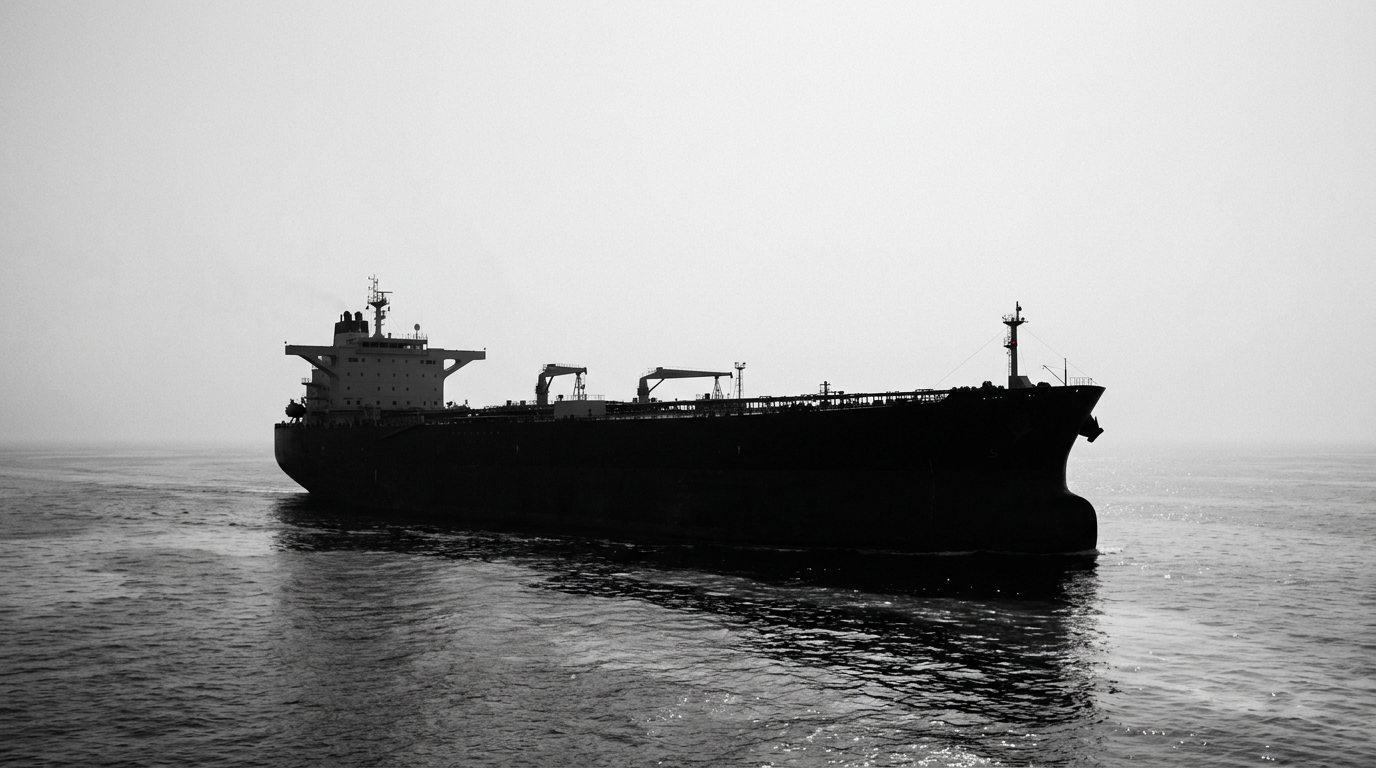
Officials said two ships were attacked in the Strait of Hormuz on September 18, putting oil supply routes back at the center of the Iran conflict. Reaction pending for crude prices and tanker-linked assets. President Trump said he would make a "big decision" on whether the US next step could be to "annihilate" Iran’s leadership, placing Washington’s response inside the immediate pricing window for crude.
Hormuz route concentrates oil risk
The Strait of Hormuz is the maritime chokepoint identified by officials, so the commodity channel runs through insurance costs, freight availability and the risk premium embedded in oil contracts. A short interruption would mainly affect shipping costs and prompt refiners to check inventories; a sustained threat to passage would push the issue into inflation and central-bank expectations.
Oil producers, refiners and tanker operators are exposed differently. Producers with barrels outside the Gulf may benefit if crude prices rise after the attacks, while refiners and airlines would face higher input costs if freight and insurance climb alongside crude.
For the global macro picture, the first branch is containment: if vessels keep moving through Hormuz through September 19, 2026, the shock may stay concentrated in risk premiums and tanker costs. If more ships are hit in that window, the mechanism shifts to physical-supply concern, with importers more exposed than producers.
The dated forward marker is the next 24 hours through September 19, 2026: White House language on Trump’s decision, official reports on additional vessel attacks and crude-price indications when the next liquid trading session opens.