Honda's EV push in India will shift two-wheeler battery buys to global suppliers
Honda Motorcycle and Scooter India told the Economic Times it remains "bullish on Indian 2W mkt" and plans new models and an expanding EV portfolio in the…
Edward Mullen ·
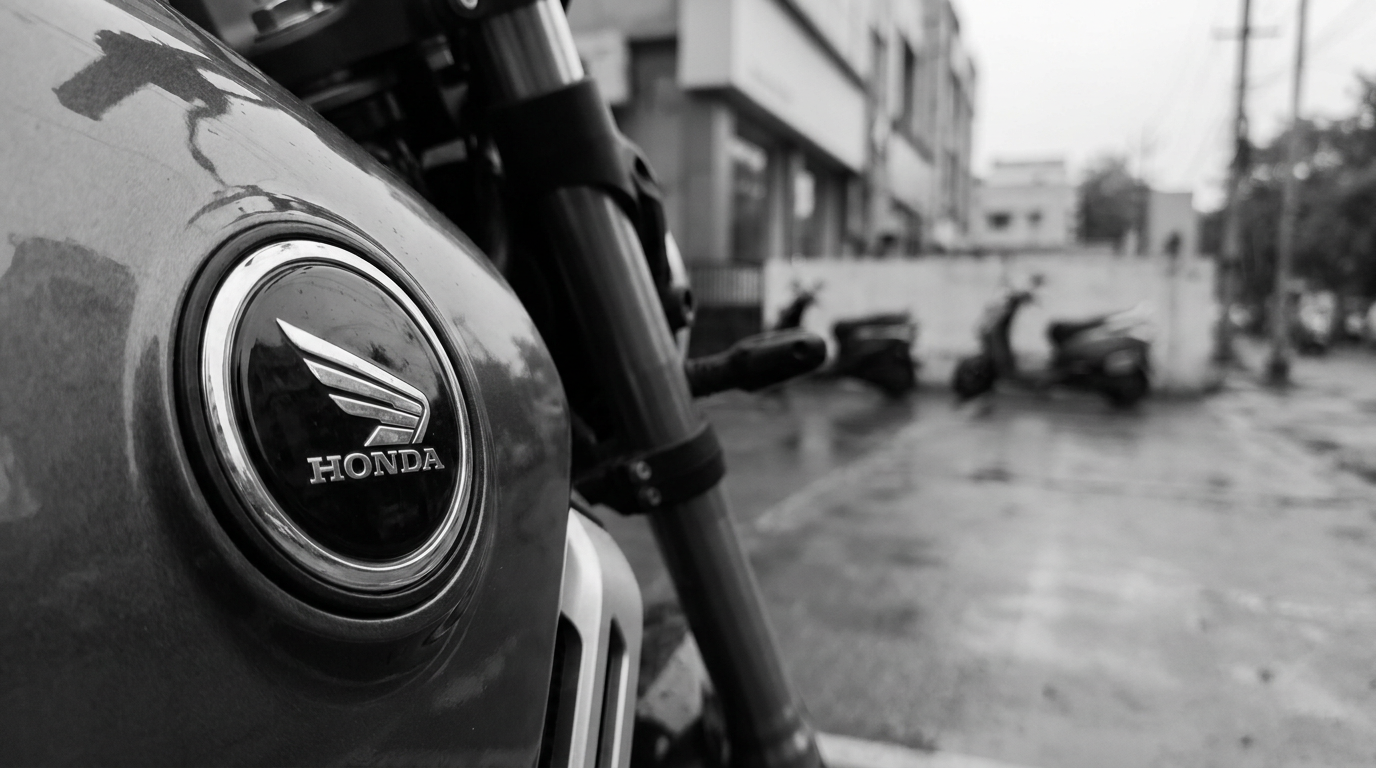
The prevailing narrative portrays India's EV two-wheeler market as a crucible for domestic battery manufacturing, with policy incentives expected to cultivate a self-reliant ecosystem. However, aggressive expansion plans from major players like Honda, driven by imminent product launches, will challenge this assumption. The immediate need for high-volume, cost-effective batteries will compel a pivot towards global suppliers, despite nationalistic procurement aspirations.
What Honda actually said — product roadmap, not supply guarantees The Economic Times coverage relays Honda's public strategy: the company sees "strong long-term potential in India's two-wheeler market," expects "Rising personal mobility and workforce participation" to support growth, plans "new models... in the second half of this year," and says it remains "committed to expanding its electric vehicle portfolio" while accepting that "Multiple technologies including ICE and EVs will coexist for the foreseeable future." The piece is framed around model launches and consumer demand rather than any detailed sourcing commitments for key inputs such as traction batteries.
Why buyers will force procurement choices the article skips Two-wheeler OEMs operate on thin margins and compete on price first. The Economic Times story signals Honda's product intent but does not address battery unit economics or timelines for steady-state supply.
Scaling EV two-wheelers quickly to the mass market requires steady, low-cost battery deliveries; when domestic capacity cannot match speed or cost, OEMs typically source from established global suppliers with bigger factories and mature logistics. The Honda piece omits any discussion of which suppliers will meet the required cadence and price points as the company expands its EV portfolio.
The procurement impact: margin pressure, not just national policy The prevailing narrative inside Indian policymaking and industry commentary is that Make in India and incentives will seed a domestic battery ecosystem. The Economic Times story echoes product-level optimism but does not interrogate whether those policy levers close the short-term capacity and cost gap.
For CFOs at OEMs, the practical choice is between paying a premium for nascent local production or preserving retail price competitiveness by contracting with larger global manufacturers. That trade-off compresses OEM gross margins if domestic supply is more expensive or unreliable; conversely, leaning on global suppliers shifts a different risk — longer-term strategic exposure to offshore supply chains.
The Honda coverage does not weigh these margin vectors.
The skeptical read the packet doesn't answer
A countervailing argument is straightforward: Indian policy and investment will accelerate domestic battery gigafactories fast enough that OEMs can source locally without margin damage. The Economic Times article does not present data on factory commissioning timelines, capex, or unit-cost projections for Indian battery producers, so it leaves that skeptic claim untested.
Without those supply-side numbers, readers cannot evaluate whether Honda's EV plans imply domestic sourcing or an interim reliance on global suppliers.
What this changes for OEM procurement and partnerships in the next 12–18 months If Honda and peers prioritize rapid EV model rollouts in the second half of this year and beyond, procurement teams will face near-term pressure to secure large, predictable battery volumes. That will favor existing suppliers with scale and proven delivery records.
For strategic procurement leaders, the decision will be concrete: accept higher local-sourcing premiums to align with industrial policy or sign longer, higher-volume contracts with global firms to protect margins and time-to-market. The Economic Times report signals the former product urgency but leaves procurement choices unspoken — which is precisely where margins will be reshaped.
Observable signals that would prove this wrong
If, within a year, public tenders and OEM disclosures show a clear majority of EV two-wheeler batteries supplied by Indian-owned manufacturers, or if major global suppliers publicly withdraw planned capacity for India, those outcomes would falsify the procurement-shift thesis the Honda story implies. The Economic Times article does not offer any of these telltale data points, so executives must treat the piece as a product roadmap announcement, not a supply-chain plan.
The practical takeaway for procurement and strategy teams reading Honda's announcement is simple: product launches are commitments to the market; they become procurement problems the moment production ramps. The Economic Times coverage establishes bullish demand and a planned EV portfolio, but it omits the upstream answers that determine whether margins compress or procurement re-centers on global suppliers as volumes scale.