UK Chancellor Pledges Heating Oil Relief
UK Shadow Chancellor Rachel Reeves pledges financial aid for households facing soaring heating oil costs, particularly in Northern Ireland.
Atlas Newsdesk ·
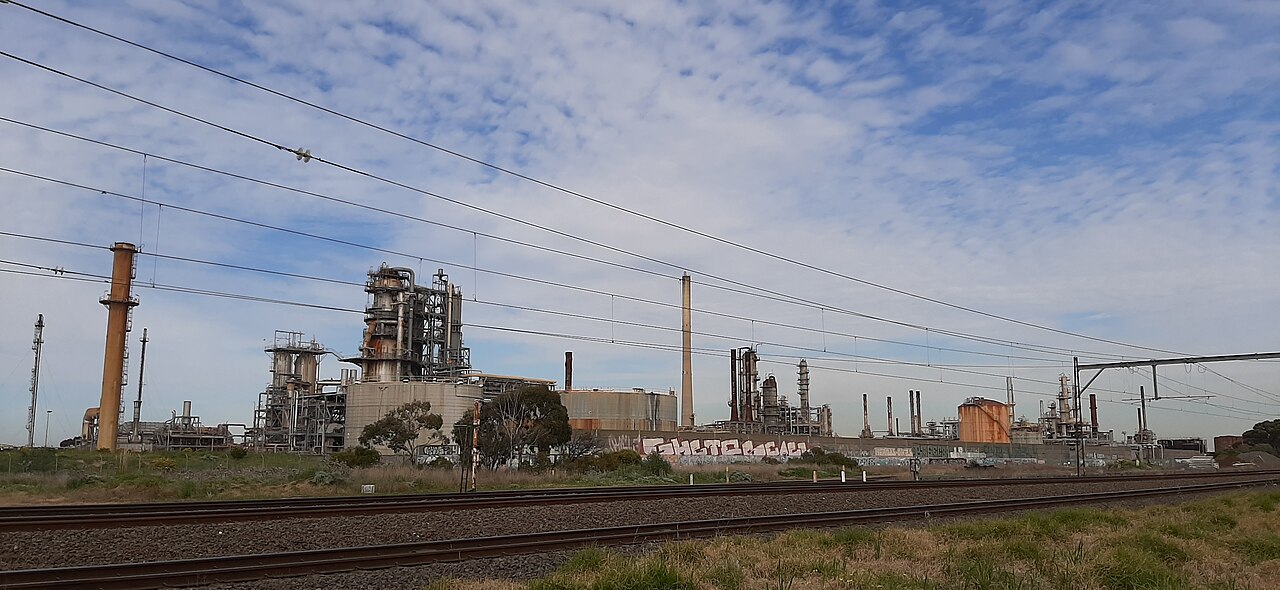
The United Kingdom's Shadow Chancellor, Rachel Reeves, has committed to providing financial assistance for households facing escalating heating oil expenses. This pledge specifically addresses the significant price increases observed recently, which disproportionately affect regions like Northern Ireland, where a majority of homes rely on oil for heating.
Approximately 62.5% of residences in Northern Ireland utilize heating oil, making the region particularly vulnerable to price volatility. Recent data indicates a substantial rise in costs, with a 500-liter delivery increasing from £307 to £596, and a 900-liter delivery climbing from £536 to £1,037 over a two-week period.
Global Factors Drive Price Surge
This sharp escalation in heating oil prices is primarily linked to global geopolitical events. Specifically, the ongoing conflict between the US and Israel involving Iran has contributed to market instability and increased energy costs worldwide. Such international developments frequently translate into higher domestic fuel prices due to the interconnected nature of global energy markets.
Urgency for Vulnerable Households
Organizations such as Carers NI have underscored the critical need for the swift implementation of this promised relief. They highlight that numerous households, particularly those responsible for the care of vulnerable individuals, are experiencing considerable financial pressure due to these elevated costs. Delays in assistance could exacerbate existing economic hardships for these groups.
Government Response and Economic Context
The commitment from the Shadow Chancellor signals an acknowledgment of the economic strain placed on consumers by rising energy prices. While the specific mechanisms and timeline for this support are yet to be fully detailed, the announcement aims to reassure affected households. The broader economic context includes persistent inflationary pressures and a cost-of-living crisis impacting many UK residents, making targeted interventions for essential services like heating crucial.
Implications for Regional Economies
Regions with high dependence on heating oil, such as Northern Ireland, face unique economic challenges during periods of price spikes. The proposed support is intended to mitigate the immediate financial burden on these communities, potentially preventing a wider economic downturn in affected areas. The long-term strategy for energy security and diversification remains a key policy discussion point for the UK government.
Implications
Country Impact: The UK government faces pressure to address rising energy costs, particularly in regions heavily reliant on heating oil. This intervention could alleviate immediate financial strain on vulnerable households and mitigate broader cost-of-living pressures.
Industry Impact: Energy suppliers and distributors may see increased demand for government-backed support schemes. The volatility in global oil markets continues to impact domestic pricing structures, necessitating adaptive business models.
Market Impact: While direct market impact is localized, the broader energy market remains sensitive to geopolitical tensions. Government subsidies for heating oil could indirectly influence consumer spending patterns in other sectors, potentially boosting retail or services.