Scottish Heating Oil Prices Double Amid Geopolitical Tensions
Scottish heating oil prices doubled in early March 2024, impacting 130,000 rural households due to Middle East tensions.
Atlas Newsdesk ·
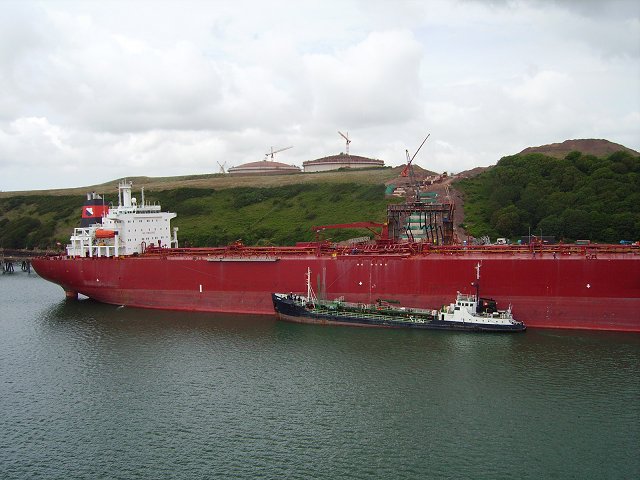
Heating oil costs for approximately 130,000 households in rural Scotland more than doubled in early March 2024, a direct consequence of escalating geopolitical tensions in the Middle East. The average price per liter surged from 67.92 pence on February 28 to 147 pence by March 8, reflecting significant market volatility.
This sharp increase is attributed to disruptions in Middle Eastern oil production and export routes, stemming from military actions involving the U.S., Israel, and Iran. Heating oil, a kerosene-based product, is closely tied to the European jet fuel market, making it highly susceptible to global crude price fluctuations.
Geopolitical Drivers and Market Response
The recent military engagements in the Middle East have directly impacted global energy markets. Concerns over supply stability from the region, a major oil producer, have driven up crude oil benchmarks, which in turn affect refined products like heating oil and jet fuel.
Energy suppliers, including Highland Fuels, have acknowledged these "significant changes" in both demand and pricing. The rapid price escalation has created considerable financial strain for consumers, particularly those in remote areas who rely heavily on heating oil for warmth.
Vulnerability of Rural Households
Rural Scottish households are disproportionately affected by these price hikes. Unlike urban areas, many remote properties are not connected to the national gas grid and depend on delivered heating oil. This reliance, coupled with existing challenges of fuel poverty, exacerbates the impact of sudden cost increases.
Members of Parliament have reported constituents facing substantial bill increases and, in some instances, delays in fuel deliveries. The absence of price cap mechanisms, which protect consumers of household gas and electricity, leaves heating oil users exposed to market volatility.
Government Response and Future Outlook
UK Energy Secretary Michael Shanks has indicated that the government is actively monitoring the situation. Authorities are in communication with the Competitions and Markets Authority (CMA) to assess potential market investigations into pricing practices.
Advocacy groups, such as the End Fuel Poverty Coalition, are calling for long-term strategies to mitigate such vulnerabilities. These proposals include transitioning away from fossil fuels towards alternative, more stable heating sources to reduce dependence on volatile global oil markets and enhance energy security for rural communities.
Implications
Country Impact: Scotland's rural communities face heightened fuel poverty risks due to reliance on heating oil. The price surge could lead to increased household debt and reduced discretionary spending, potentially impacting local economies.
Industry Impact: The energy sector, particularly heating oil suppliers, is navigating increased demand and price volatility. This situation may accelerate calls for diversification into alternative heating solutions and greater regulatory oversight.
Market Impact: Global energy markets remain sensitive to Middle East geopolitical events, with crude oil and refined product prices reacting swiftly. This volatility underscores the ongoing challenges for energy security and consumer protection in un-capped markets.