Gaza Faces Escalating Waterborne Disease Crisis Ahead of Rains
The WHO warns Gaza's public health crisis will worsen with winter rains, citing tripled water contamination and surging diarrhea cases.
Atlas Newsdesk ·
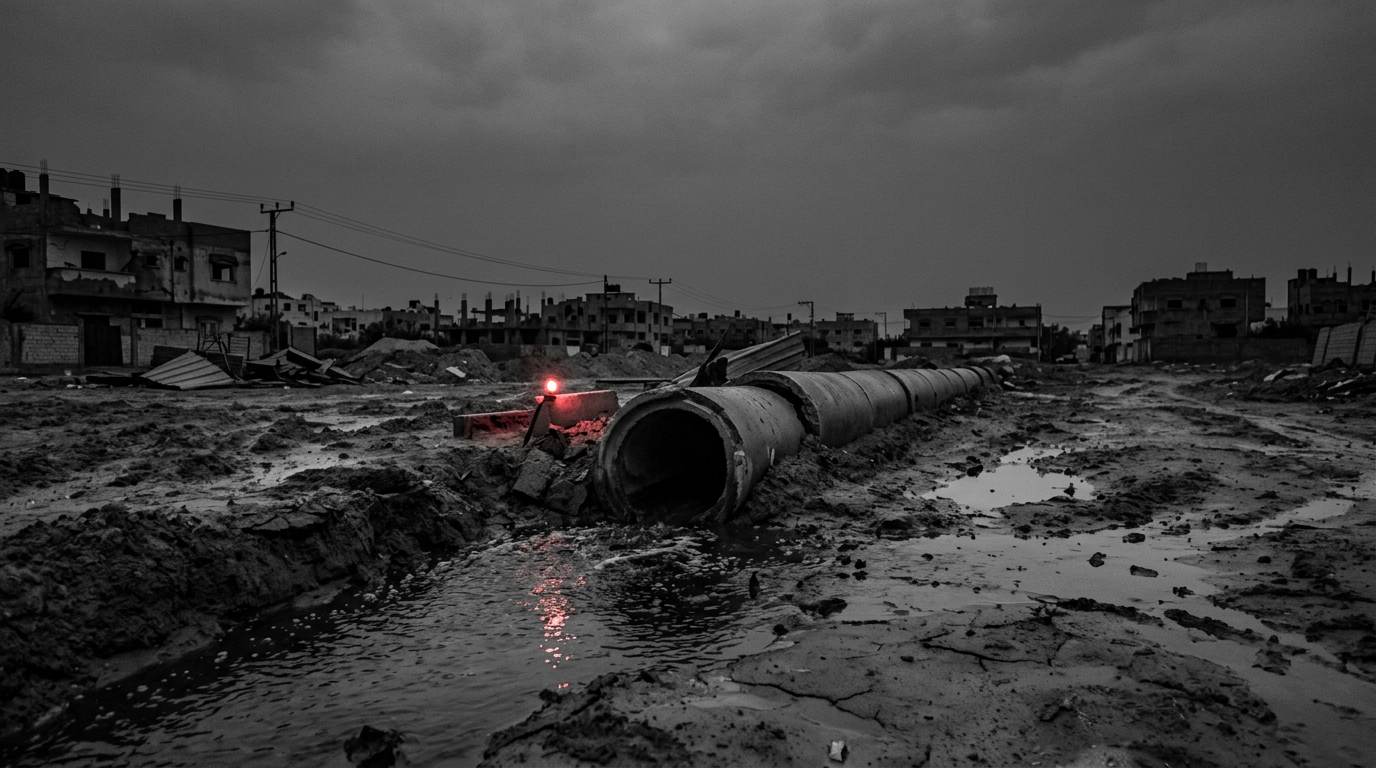
The World Health Organization (WHO) issued a stark warning this week regarding the severe public health crisis unfolding in the Gaza Strip. Officials caution that the imminent winter rainy season is expected to drastically escalate the situation, which is already characterized by compromised water quality and extensive damage to essential infrastructure. The agency highlighted that these conditions have already led to a substantial rise in waterborne illnesses across the densely populated enclave.
Between January and August 2026, analysis of approximately 6,700 water samples revealed a critical decline in water safety. Microbiological contamination levels within these samples tripled during this period, surging from below 6 percent to over 18 percent. This deterioration in water quality directly correlates with a significant increase in cases of acute diarrhea, which have nearly doubled from 27,000 in March to more than 48,000 by August.
Infrastructure Collapse Amplifies Health Risks
The core of the unfolding crisis lies in the extensive destruction of sanitation infrastructure. Reports indicate that close to 90 percent of these vital systems have been rendered inoperable. This widespread damage leaves the local population highly vulnerable, particularly to the anticipated winter rains.
WHO projections suggest that once the heavy seasonal rains commence, untreated sewage and contaminated water will inevitably be pushed into residential areas. This mixing of waste with living spaces is expected to create fertile ground for the rapid spread of infectious diseases, further straining an already overwhelmed healthcare system.
Urgent Appeal for Humanitarian Aid
To counteract the impending health catastrophe, the World Health Organization is urgently calling for the immediate and unobstructed entry of humanitarian supplies into Gaza. Specifically, the agency emphasized the critical need for materials essential for sustainable water management. This includes equipment for purification, distribution, and repair of water systems.
Additionally, specialized laboratory equipment is deemed crucial for monitoring and containing potential disease outbreaks effectively. Without these resources, the ability to track, diagnose, and respond to the escalating health emergency will be severely hampered, posing an even greater risk to the civilian population.
Broader Implications for Public Health
The current situation in Gaza underscores the interconnectedness of infrastructure, public health, and humanitarian access. The breakdown of basic services, such as water and sanitation, creates a cascading effect that threatens the lives of hundreds of thousands. International health bodies continue to monitor the situation, reiterating that swift action is necessary to prevent a wider public health disaster.
The long-term reconstruction and rehabilitation of essential services will be pivotal in ensuring the health and well-being of Gaza's residents, extending far beyond the immediate humanitarian response. The call for unimpeded access for aid remains a central point of concern for international organizations.