Haiti Police Scrutinized After Deadly Kenscoff Gang Attack
Haitian police face intense scrutiny following an August 23 gang attack in Kenscoff that killed 47 and abducted over 50, amid ongoing security failures.
Lauren Collins ·
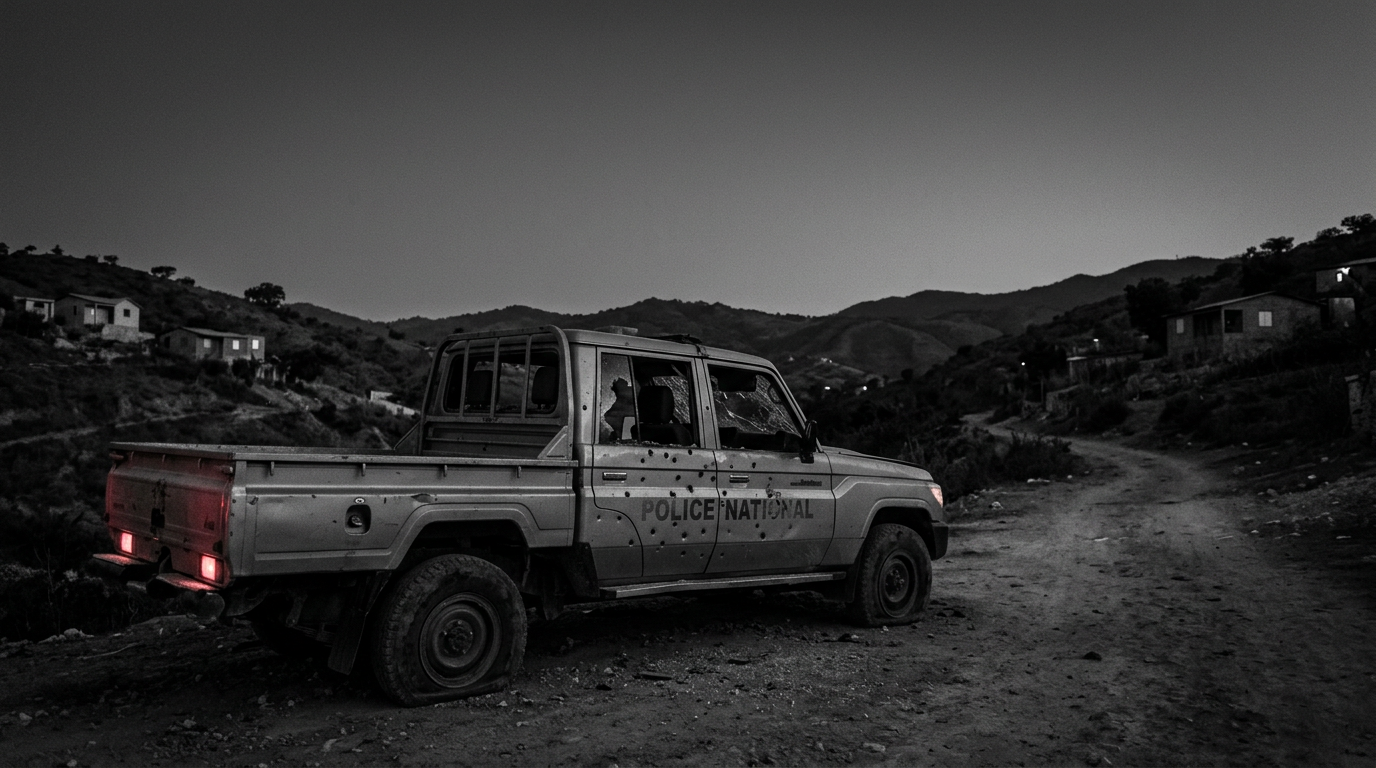
Haitian national police officials are facing significant examination after a devastating gang assault in Kenscoff on August 23. The incident, which occurred in the hills near Port-au-Prince, led to 47 fatalities and the abduction of more than 50 individuals. This event represents one of the most substantial mass abductions in Haiti's recent history, intensifying concerns about the government's ability to control powerful criminal organizations.
During a press briefing, police spokesperson Garry Desrosiers declined to share specific operational details, citing security reasons. However, Desrosiers confirmed that authorities are actively investigating potential internal negligence or complicity within the police force related to the attack. This development marks a considerable setback for current security initiatives in the region.
Security Efforts and Persistent Violence
The recent violence contrasts with earlier reports. Data from the Armed Conflict Location and Event Data project had previously indicated a 66 percent decrease in violence within Kenscoff between January and August, compared to the preceding year. Despite the deployment of a United Nations-backed Gang Suppression Force in April, aimed at dismantling organized violence, a significant security vacuum continues to plague the nation.
United Nations reports indicate that armed groups currently control approximately 70 percent of Port-au-Prince. Furthermore, over 3,050 people have been killed across the country in the first half of 2026 alone, underscoring the severe and ongoing instability. This persistent insecurity has repeatedly delayed national elections, leaving Haiti without a functioning legislature since 2023.
Political Instability and Electoral Challenges
The assassination of President Jovenel Moise in 2021 created a profound power vacuum, which allowed armed groups to significantly expand their influence throughout Haiti. Since that time, no national elections have been successfully conducted, and the terms for the last elected senators expired in 2023. While officials have made multiple attempts to schedule new electoral processes, severe security concerns have consistently resulted in postponements.
UN Secretary-General Antonio Guterres had expressed optimism in June regarding the Gang Suppression Force's deployment, suggesting it offered a "real opportunity to curb violence and restore the authority of the state." However, critics argue that international interventions have historically yielded limited success in Haiti, drawing comparisons to previous foreign involvements that have faced accusations of human rights abuses.
The ongoing investigation into police conduct, combined with gangs maintaining control over significant parts of the capital, indicates that fundamental issues regarding state authority and national security remain unresolved as the country approaches a tentatively scheduled general election in December. The overall situation points to a deeply entrenched crisis that demands comprehensive and effective solutions beyond current measures.