Gulf tensions rise after Iran drone claims
Iran claimed Arash drones targeted U.S. military assets in Bahrain, while Kuwait said it intercepted Iranian missiles and drones.
Mateo Fernandez ·
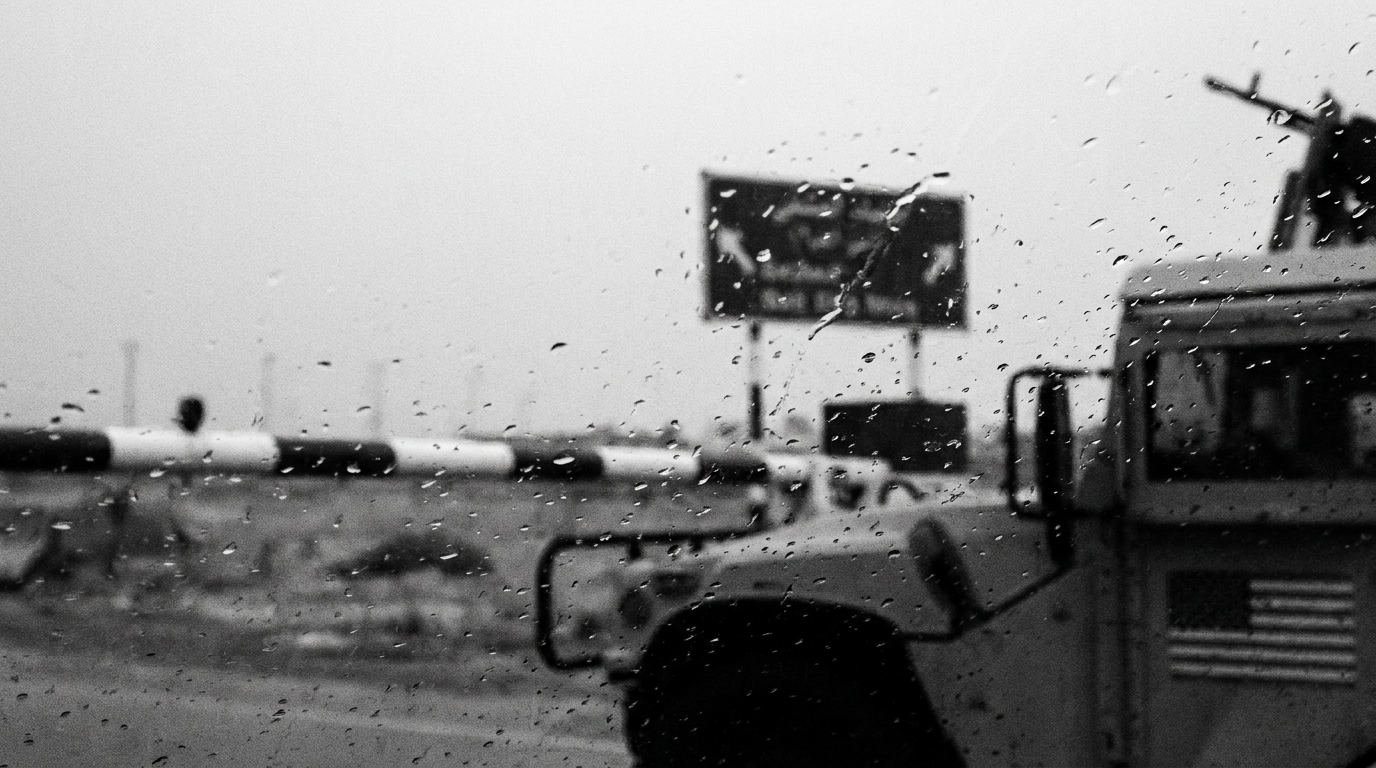
Tensions in the Gulf rose Friday after Iran claimed it launched Arash suicide drones at U.S. military assets in Bahrain, including helicopters and P-8 reconnaissance aircraft at Isa Air Base. Reaction pending. Officials in Bahrain urged residents to seek shelter after air raid sirens sounded, while Kuwait said its air defenses intercepted Iranian missiles and drones.
The claims, if confirmed by U.S. or Gulf authorities, would mark a direct threat to American military assets hosted by a key Gulf ally. The immediate risk is not only damage to aircraft or bases, but a faster cycle of retaliation across airspace, shipping lanes and regional defense networks.
Isa Air Base claims test Gulf defenses
Iranian reports also claimed U.S. strikes hit bridges, transport infrastructure and residential areas in southern Iran. Those claims have not been independently verified in the payload, and no official U.S. battle-damage assessment was provided.
For markets, the Gulf is the transmission channel. A confirmed strike on U.S. assets could lift geopolitical risk premiums across energy, freight and defense-sensitive assets, while a contained exchange would reduce the immediate pressure on oil logistics and regional currencies.
For U.S. forces and Gulf governments, the operational question is whether air defenses can keep intercepting drones and missiles without forcing a broader response. For the defense sector, sustained attacks would point to higher demand for interceptors, radar coverage and counter-drone systems.
By July 18, the key signal will be whether U.S., Bahraini or Kuwaiti officials confirm damage, casualties or further interceptions, or instead frame the episode as contained.