Guinea-Bissau Votes on Empowering Presidency Amid Political Unrest
On August 30, Guinea-Bissau voters will decide on a new constitution centralizing executive power ahead of the national elections scheduled for December.
Lauren Collins ·
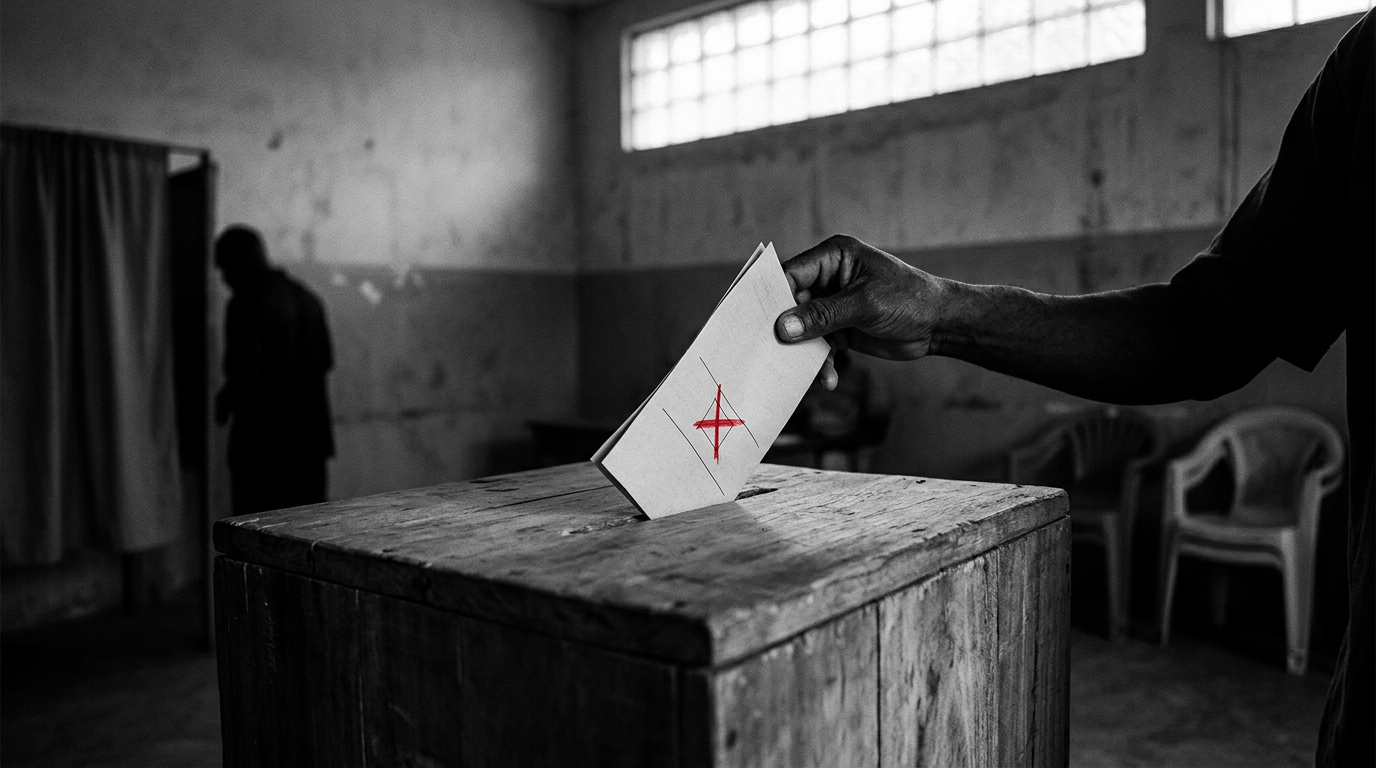
Voters in Guinea-Bissau are casting ballots on August 30 to decide on a new constitution that would fundamentally shift the nation from a semi-presidential system to one with a significantly empowered executive. This referendum follows a military coup in November 2025 that installed General Horta Inta-A Na Man as transitional president, setting the stage for general elections scheduled for December 6.
Proposed Constitutional Changes
The proposed reforms grant the president unilateral authority to appoint and dismiss the prime minister, chair the Council of Ministers, and restructure government ministries. The draft constitution additionally mandates a reduction in parliamentary seats from 102 to 65 and consolidates electoral constituencies from 29 to 12. New candidacy requirements include a 50 million West African CFA franc deposit, equivalent to approximately $90,000, alongside stricter party membership thresholds.
Addressing Institutional Gridlock Proponents of the constitutional changes argue these measures Proponents of the constitutional changes argue these measures will resolve chronic institutional gridlock that has historically plagued the nation. The goal is to provide clearer lines of authority and enhance governmental decision-making, particularly given past disputes between presidents, prime ministers, and parliament.
Opposition Concerns Over Power Concentration
General Horta Inta
Conversely, opposition groups, including the African Party for the Independence of Guinea and Cape Verde, have rejected the referendum process. They cite concerns over the increased concentration of power in the presidency and highlight a perceived lack of inclusivity during the drafting phase by the military-led National Transitional Council.
Critics also fear the reduction in electoral constituencies could impact political representation, and new financial and membership requirements might hinder smaller political movements. Implications for Future Governance The outcome of this referendum will establish the legal framework for the incoming administration following the December elections.
Should the changes pass, the country's political landscape will be reshaped toward a more centralized executive, with potential implications for institutional checks and balances.