Grand Canyon Halts Overnight Stays After Fatal Flood
Grand Canyon National Park suspended overnight lodging and enacted water conservation efforts after a flash flood on August 29, 2026, leading to one fatality…
Lauren Collins ·
Grand Canyon National Park officials have suspended all overnight accommodation services and implemented urgent water conservation measures following a deadly flash flood that struck the Bright Angel Creek area. The severe weather event, which occurred on August 29, 2026, resulted in a confirmed death and left approximately 15 people unaccounted for. A comprehensive search and rescue operation was immediately launched, including the aerial evacuation of over 60 visitors from the affected zone.
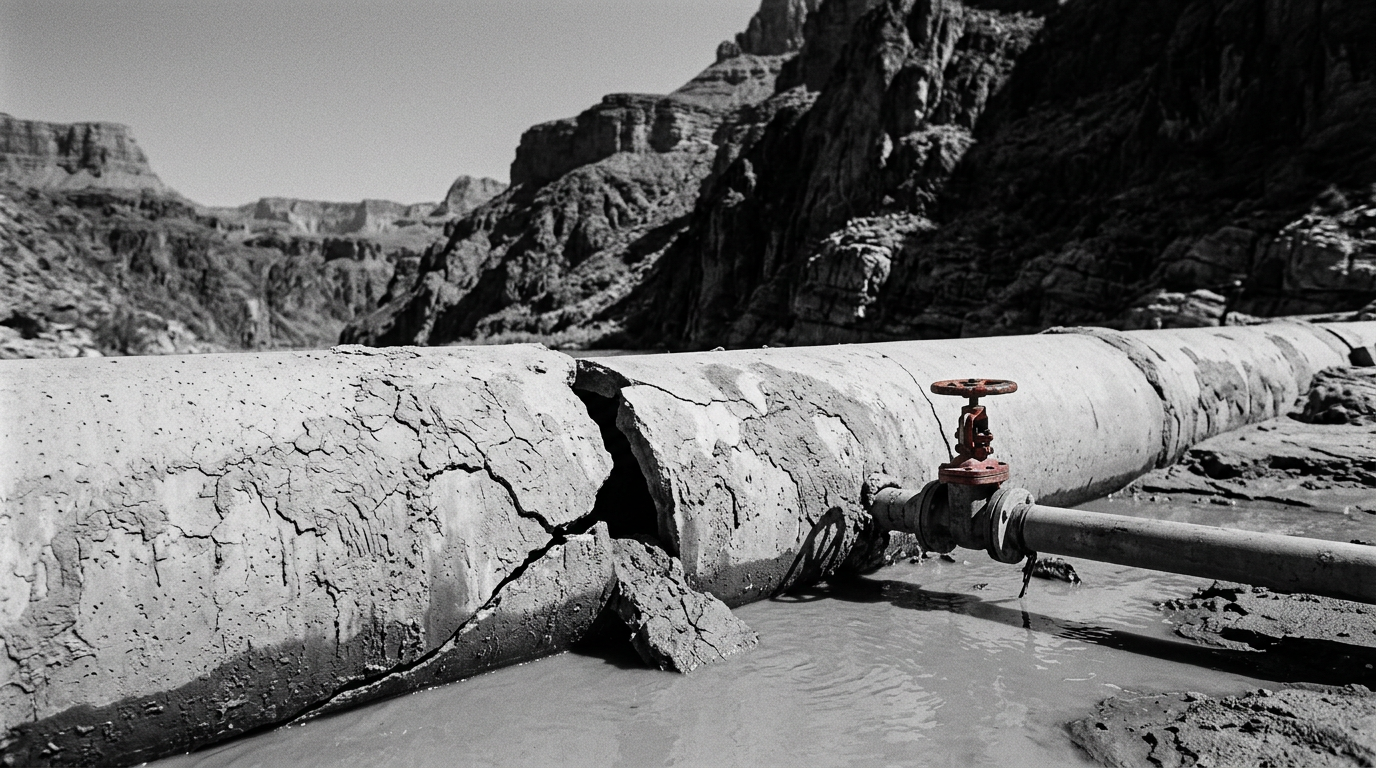
Intense monsoonal precipitation triggered the flood, causing substantial debris flows and landslides within the park boundaries. This destructive natural phenomenon severely damaged critical infrastructure, including multiple pedestrian bridges and the primary water supply pipeline serving the park's South Rim. This essential pipeline delivers water to 1,600 permanent residents and supports the park's 6 million annual visitors.
Infrastructure Damage and Water Restrictions
The destruction of the main water conduit has compelled the park to rely exclusively on its finite storage capacity on the South Rim. This situation has necessitated strict water conservation directives for all park residents and a prohibition on overnight guest stays, aiming to preserve the diminishing water reserves. Such drastic measures are uncommon, even though the park possesses significant potable water storage tanks, as these cannot be replenished while the pipeline remains non-operational.
This incident also introduces complications for a major $208 million rehabilitation project, which began in 2023. This project was designed to upgrade the park's aging water delivery system, with an expected completion date in 2027. The current damage represents a considerable setback to these ongoing modernization initiatives.
Ongoing Search and Environmental Risks
Authorities are continuing their collaborative efforts with the Arizona Department of Public Safety to locate the individuals who are still missing. The confirmed fatality involved a 46-year-old male, whose body was recovered on August 28 near Crystal Rapids along the Colorado River. Early reports indicate the initial flooding occurred on August 27, significantly altering the landscape by broadening the creek bed and extending an existing river rapid.
The Park Service Weather Service has maintained an elevated flash flood alert for the region, citing persistent saturated soil conditions and ongoing storm activity. Park service teams are currently assessing the long-term structural implications of the flood on the canyon's infrastructure. The continuous monsoonal moisture and the already saturated ground suggest that the heightened flash flood risk will likely endure, potentially exacerbating existing damage and hindering recovery efforts.
Future Outlook and Operational Challenges
The immediate priority remains focused on search and rescue operations and establishing interim water supply solutions. Park management confronts the complex task of repairing vital infrastructure while simultaneously mitigating the risks posed by continued severe weather. The long-term consequences for visitor access and the park's operational capabilities are under meticulous review, with decisions contingent on the extent of necessary repairs and the stability of environmental conditions.