Gold slips as Fed rate bets harden on US data and oil rise
Gold traded near $4,290 as stronger US data and higher oil kept Federal Reserve rate expectations central to bullion markets.
Jurgen Goldmeier ·
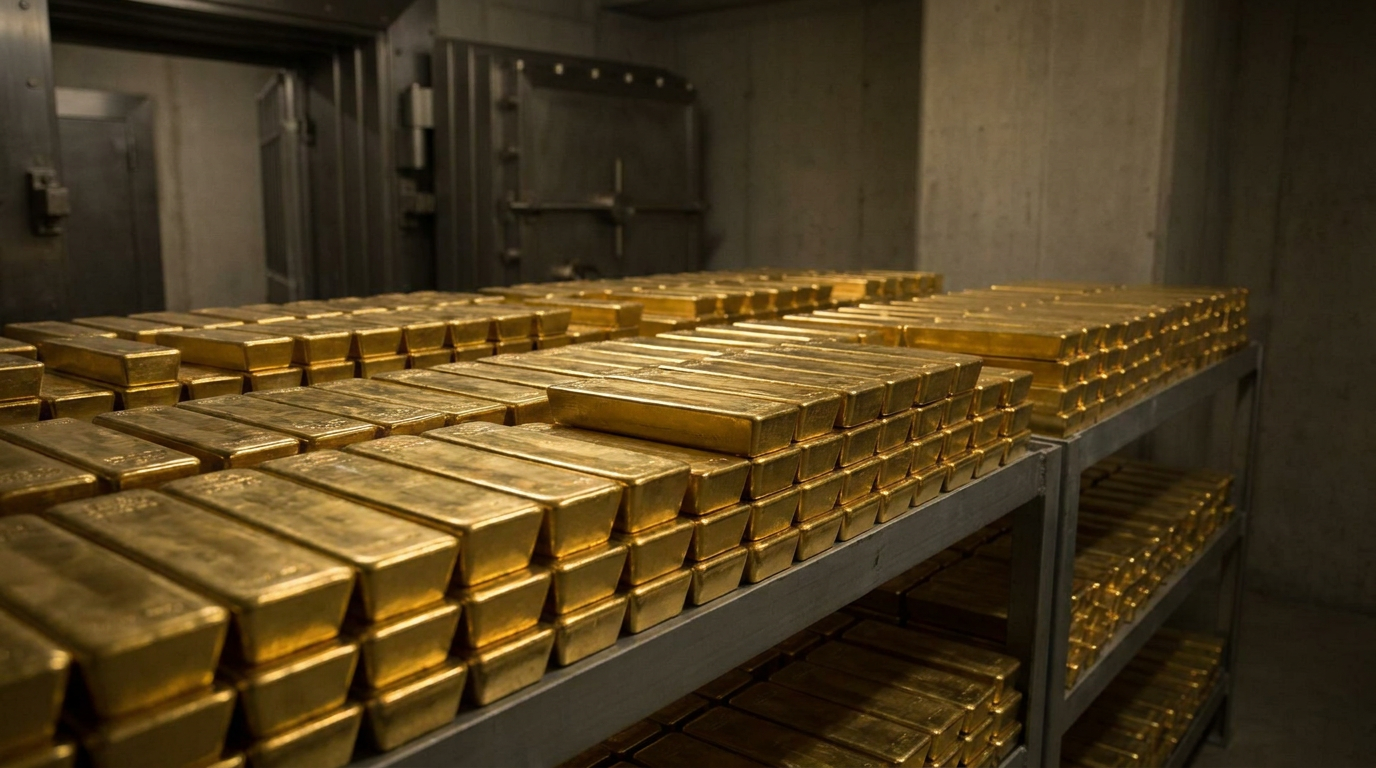
Gold traded near $4,290 an ounce after a 1.7% drop, as traders weighed stronger US data, higher oil and Fed rate risk.
The metal’s pause followed a day of selling that left bullion under pressure from two linked forces: energy-driven inflation risk and rising Treasury yields. Gold pays no interest, so higher expected policy rates tend to raise the opportunity cost of holding it compared with cash or government debt.
Hormuz comments lift oil
Oil climbed following remarks by Iranian President Masoud Pezeshkian at the United Nations. Pezeshkian said Iran would not allow freedom of navigation through the Strait of Hormuz while sanctions and what he called a US blockade remain in place.
He also said Iran was prepared to negotiate, but would not respond to threats, and said Tehran did not seek an atomic weapon while defending its right to develop nuclear technology for economic purposes. President Trump said a day earlier that his officials had held “very good” talks with Iranian envoys on the sidelines of the UN summit.
Five-year yields top 5%
The rate channel has become the main pressure point for bullion in recent weeks. The metal is roughly 20% below its level before the US-Iran war erupted in late February, a decline that has coincided with investors shifting attention from haven demand toward the Fed’s inflation response.
Losses in the Treasury market deepened after stronger US data and a weak debt auction, with yields across most maturities reaching their highest levels in almost two decades. The five-year Treasury yield moved above 5% for the first time since 2007; bond prices fall when yields rise.
S&P Global said its flash US composite purchasing managers index rose to 58.4 in September, the highest reading since July 2021. The survey showed faster activity across manufacturers and service providers, with new orders and employment rising alongside demand.
Rate path drives bullion
For gold, the immediate question is whether higher oil prices feed into inflation expectations for long enough to keep the Fed on a tighter path. If traders price in another rate increase, bullion would face pressure through higher real yields and a stronger relative return on interest-bearing assets.
If energy prices ease or US-Iran talks reduce shipping risk around Hormuz, inflation expectations could soften and remove part of the rate pressure on gold. That path would help bullion stabilize, ease one inflation channel in the global economy and reduce hedging demand across energy-linked markets.
If oil remains elevated and US activity data continue to surprise to the upside, the macro effect would be a longer period of restrictive financial conditions. For gold, that would keep attention on Treasury yields rather than geopolitical demand; for the wider commodities sector, it would make energy prices a key input into metals, currencies and inflation-linked trades.