New York Giants move 2026 training camp to West Virginia
New York Giants shift 2026 training camp to The Greenbrier in West Virginia, citing World Cup site turnover and New Jersey renovations.
Mehmet Şahinoğlu ·
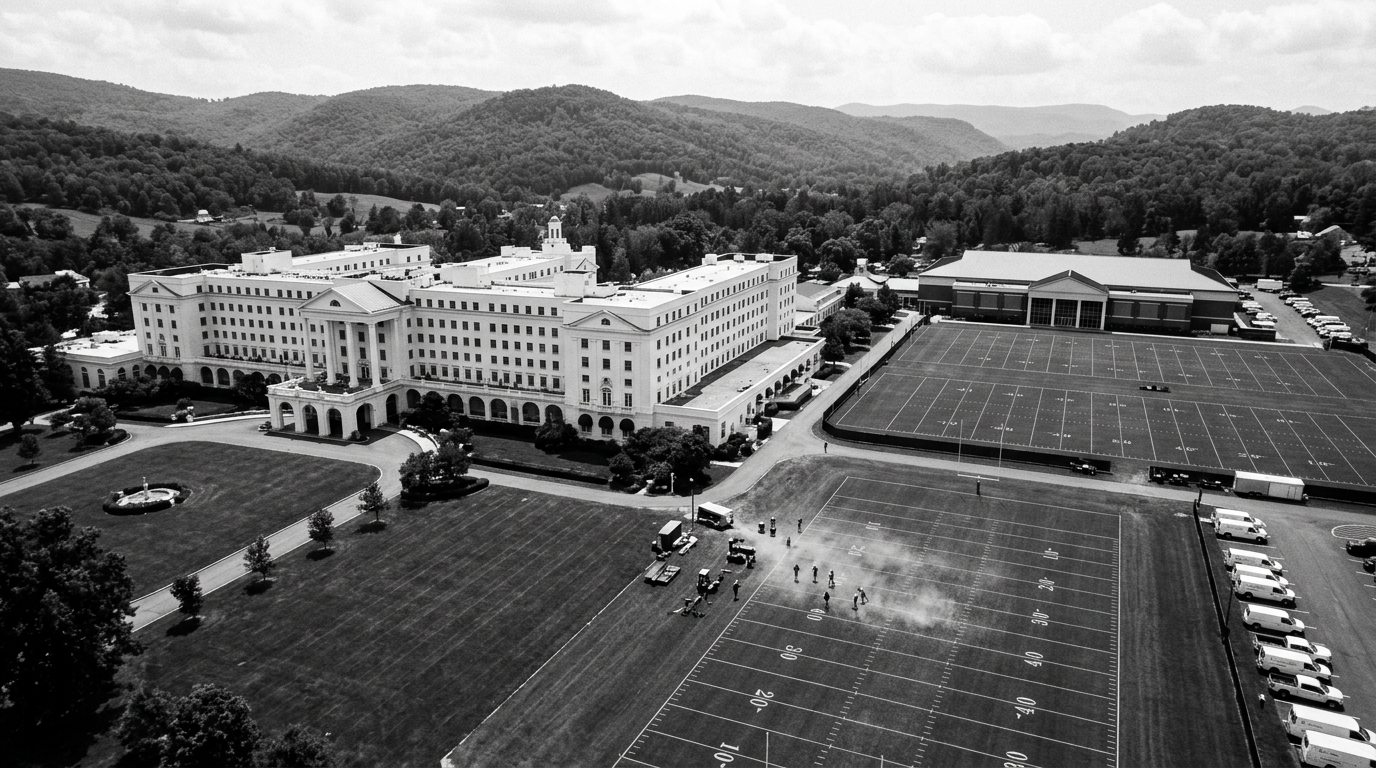
The New York Giants have shifted their 2026 training camp to The Greenbrier resort in White Sulphur Springs, West Virginia, with the team beginning work there this week. The move is temporary and comes as the franchise manages disruptions at its Meadowlands complex, where World Cup events recently ended, alongside renovation work at the club’s primary facility in East Rutherford, New Jersey.
Team operations in West Virginia will be based at The Greenbrier’s dedicated performance center. The site includes multiple grass and turf fields, a modern weight room, and hydrotherapy facilities designed for recovery and rehabilitation, according to details provided about the venue.
Why the Giants are leaving East Rutherford temporarily
Officials tied the relocation to two overlapping factors Officials tied the relocation to two overlapping factors: the conclusion of World Cup activity at the Meadowlands complex and ongoing construction at the Giants’ New Jersey base. By moving training camp away from the work zones and post-event scheduling demands, the team is positioning itself for a more controlled setup during a key preseason period. The Giants also described the value of an uninterrupted environment for preparation. The plan includes housing players and staff on-site, a format intended to reinforce cohesion by keeping day-to-day routines centralized in one location for the duration of camp. Facilities, schedule, and the West Virginia setting The 2026 camp is structured as a 12-day residency with 10 scheduled practices. The combination of fields, strength spaces, and hydrotherapy resources at The Greenbrier is expected to allow football activities and recovery work to happen in the same footprint, limiting travel time between sessions.
The New York Giants
Geography is also a factor in the choice of site. The Allegheny Mountain location is expected to provide cooler temperatures and lower humidity than the Giants typically experience during summer sessions in New Jersey, according to the team’s description of the setting.
The Giants are scheduled to conclude the West Virginia segment and return to New Jersey on August 8. The club did not outline additional changes to its preseason preparation beyond the dates and practice plan for this residency.
How this fits the Giants’ training camp history
The West Virginia relocation breaks from a pattern the Giants have followed for more than a decade. Since 2013, the franchise has held training camp at its home facility rather than operating out of a separate summer base.
Before that 2013 shift, the team used a range of outside locations for camp, including SUNY Albany, Fairleigh Dickinson, and Pace University. The 2026 plan therefore echoes an earlier approach—holding camp away from the primary team headquarters—while using a resort setting with specialized football infrastructure.
The Greenbrier’s track record with NFL teams
The Greenbrier is not new to hosting professional football preparation. NFL teams previously reported to have used the resort’s facilities include the New Orleans Saints, Houston Texans, and Cleveland Browns.
For the Giants, the immediate objective is to maintain a steady training environment while home facilities are being renovated and as the Meadowlands complex transitions from the completed World Cup schedule back to routine team use. Any further operational details, including how the temporary move affects logistics in New Jersey, have not been specified.
Implications
Country Impact: The relocation shifts a major NFL team’s preseason operations from New Jersey to West Virginia for a defined period. It also highlights how large event scheduling and facility construction can temporarily reshape where teams base their preparation.
Industry Impact: For the Giants, the arrangement provides an on-site model that combines training, recovery, and housing during renovations at the primary facility. For The Greenbrier, it reinforces the resort’s role as a venue capable of supporting professional football training needs.
Market Impact: The move underscores how infrastructure upgrades and venue availability can influence team logistics in the sports business ecosystem. It also signals continued demand for specialized performance centers that can accommodate full-team, residential training camps.