Ghana Repatriates 300 Citizens From South Africa After Protests
Hundreds of Ghanaians were repatriated from South Africa following anti-immigrant protests and safety concerns, with many being undocumented.
Lauren Collins ·
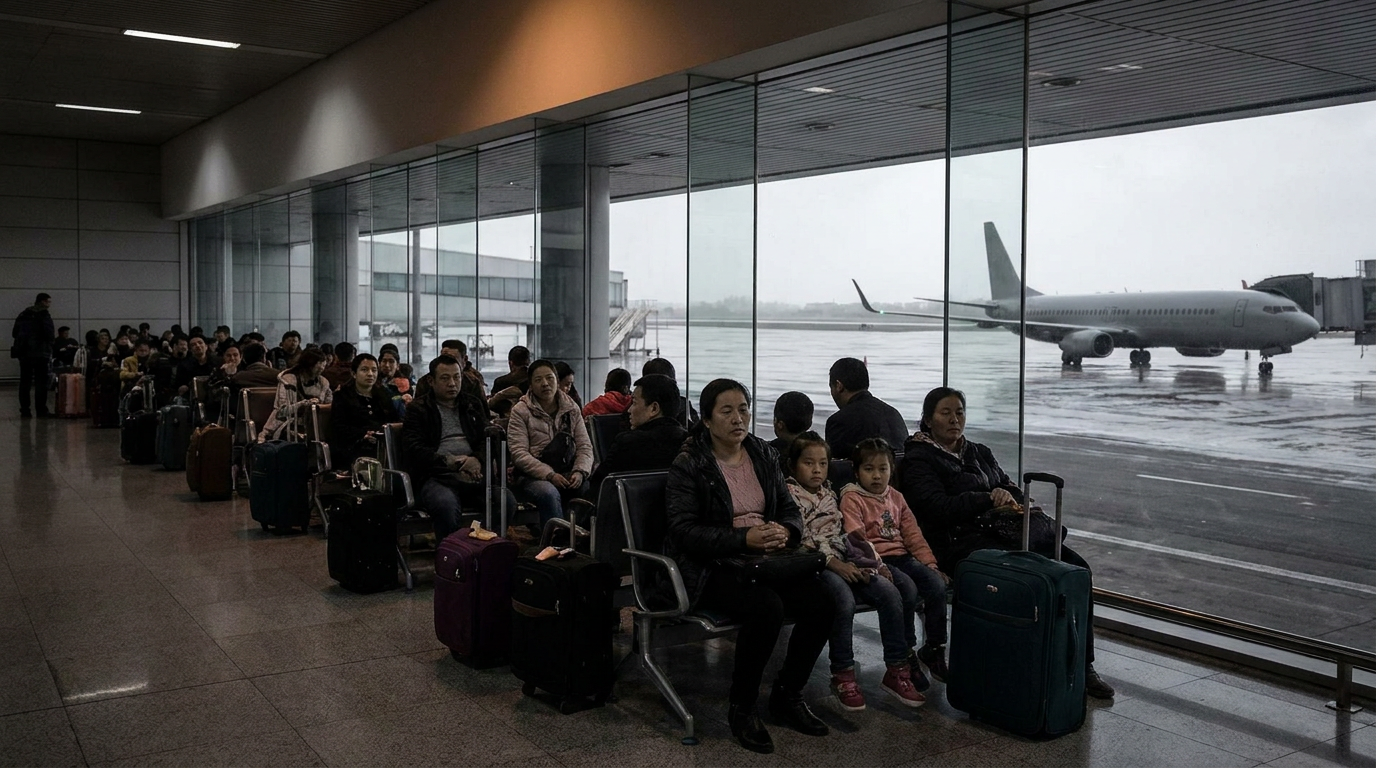
Ghana repatriated about 300 of its nationals from South Africa on Wednesday, May 27, after anti-immigrant protests heightened safety concerns, officials said. The group, including women and children, departed from Johannesburg’s O.R. Tambo International Airport on one of the first flights arranged for their return.
Officials described the process as voluntary for Ghanaians who said they no longer felt safe. South African and Ghanaian authorities have been working from a list of around 800 people who indicated they wanted to leave.
A South African immigration official said only 10 of the 300 people on the first flight were legally documented in the country, suggesting many were not compliant with immigration rules.
Anti-immigration protests and safety concerns
The departures followed a wave of anti-immigration protests in recent weeks. Campaigners have called for tighter controls on undocumented migrants and have accused foreign nationals of contributing to crime and unemployment.
The protests have been accompanied by instances of violence against migrants from other sub-Saharan African countries, according to the report. A Ghanaian preparing to leave said repeated harassment had driven the decision.
Officials cite diplomatic coordination
Ghana’s High Commissioner to South Africa, Benjamin Quashie, said the departures were part of an effort to ease tensions while preserving diplomatic ties between the two countries. He said both sides needed to cooperate on returning people who are undocumented, while allowing institutions to function.
South African authorities have condemned violence against foreign nationals and said they would crack down on xenophobic attacks, according to the report.
Further repatriation flights are expected as officials work through the list of Ghanaians seeking to return, with authorities monitoring security conditions and community tensions.