Germany pushes NATO unity as U.S.-Iran war escalates
Germany seeks NATO unity as the U.S.-Iran war continues, resuming Iran talks and setting conditions for any Strait of Hormuz role.
Lauren Collins ·
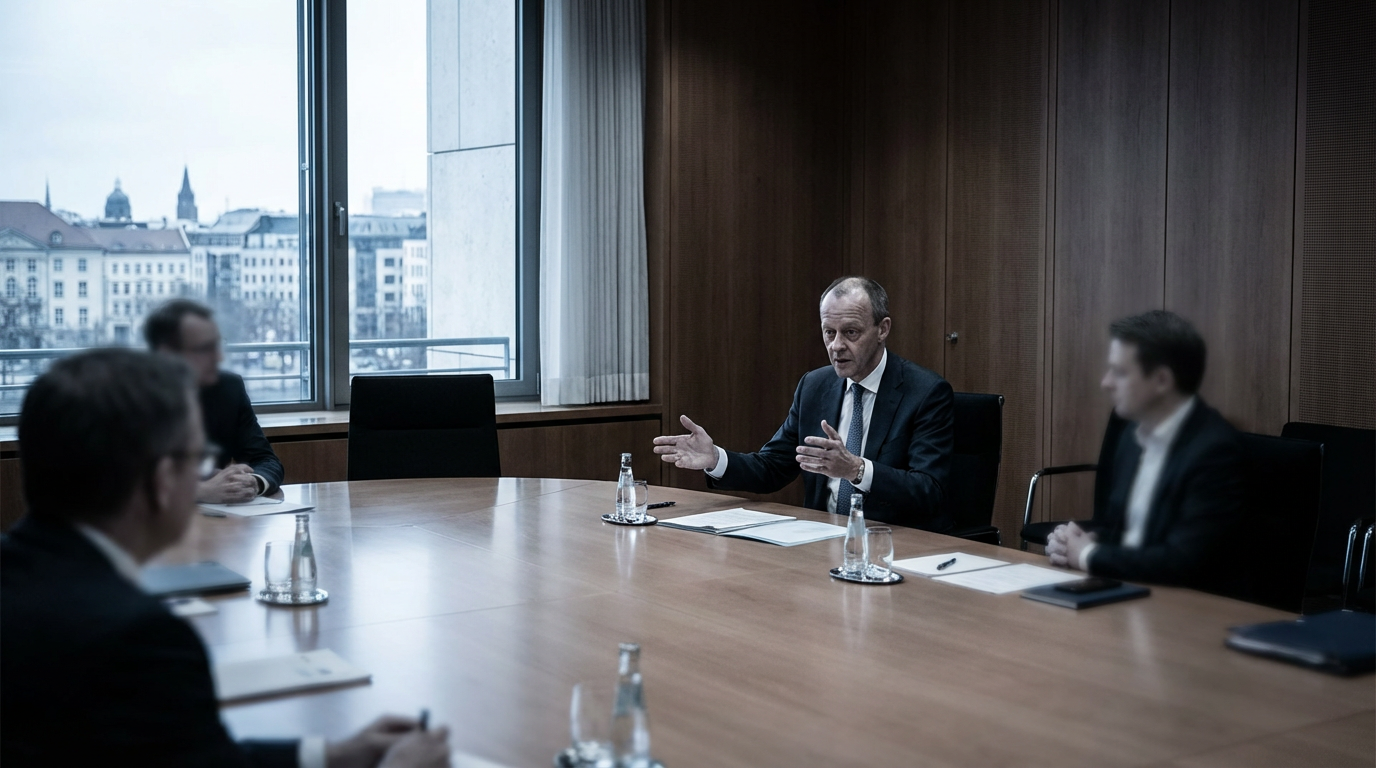
Berlin — German Chancellor Friedrich Merz said on Thursday, April 9, 2026, that Germany is working to keep NATO aligned as the conflict between the United States and Iran continues, warning against divisions inside the alliance.
Speaking in Berlin, Merz also played down threats by U.S. President Donald Trump about pulling troops out of NATO member states. Merz described NATO as a central guarantor of European security and framed Germany’s approach as focused on maintaining cohesion among allies during a period of heightened strain.
Merz said Germany is restarting diplomatic talks with Iran and is coordinating that effort with the United States and European partners. He presented the renewed engagement as part of an attempt to reduce tensions in a war that he said has caused thousands of casualties and has fed into a global energy crisis that is affecting Germany.
Merz also said he urged Trump to put negotiations with Iran at the top of the agenda during a call on Wednesday. He indicated that the U.S. president respects Germany’s stance, and he signaled that Berlin does not expect to make immediate decisions linked to the conflict.
On the security of the Strait of Hormuz, Merz said he told Trump that Germany would only consider contributing after a long-term ceasefire is in place. He added that any such deployment would need an international mandate, ideally from the United Nations Security Council, and would also require approval from the German parliament.
The comments place Germany’s immediate focus on diplomacy and alliance management rather than near-term military commitments. Merz’s conditions for any potential role tied to the Strait of Hormuz underscore the legal and political steps Berlin says would be required before it could participate, while also linking any consideration to a durable halt in fighting.
For markets and governments, the conflict’s stated toll and its connection to a global energy crisis are central to the stakes described by Merz. At the same time, the timeline for any ceasefire, the scope of renewed talks with Iran, and whether an international mandate could be secured remain unclear based on Merz’s remarks.