Georgetown Picks Tom Brady as Commencement Speaker, Sparking Local Discussion
Georgetown University's 2026 commencement speaker, Tom Brady, sparks debate among students, alumni, and commentators about the choice and its implications.
Sophie McAlister ·
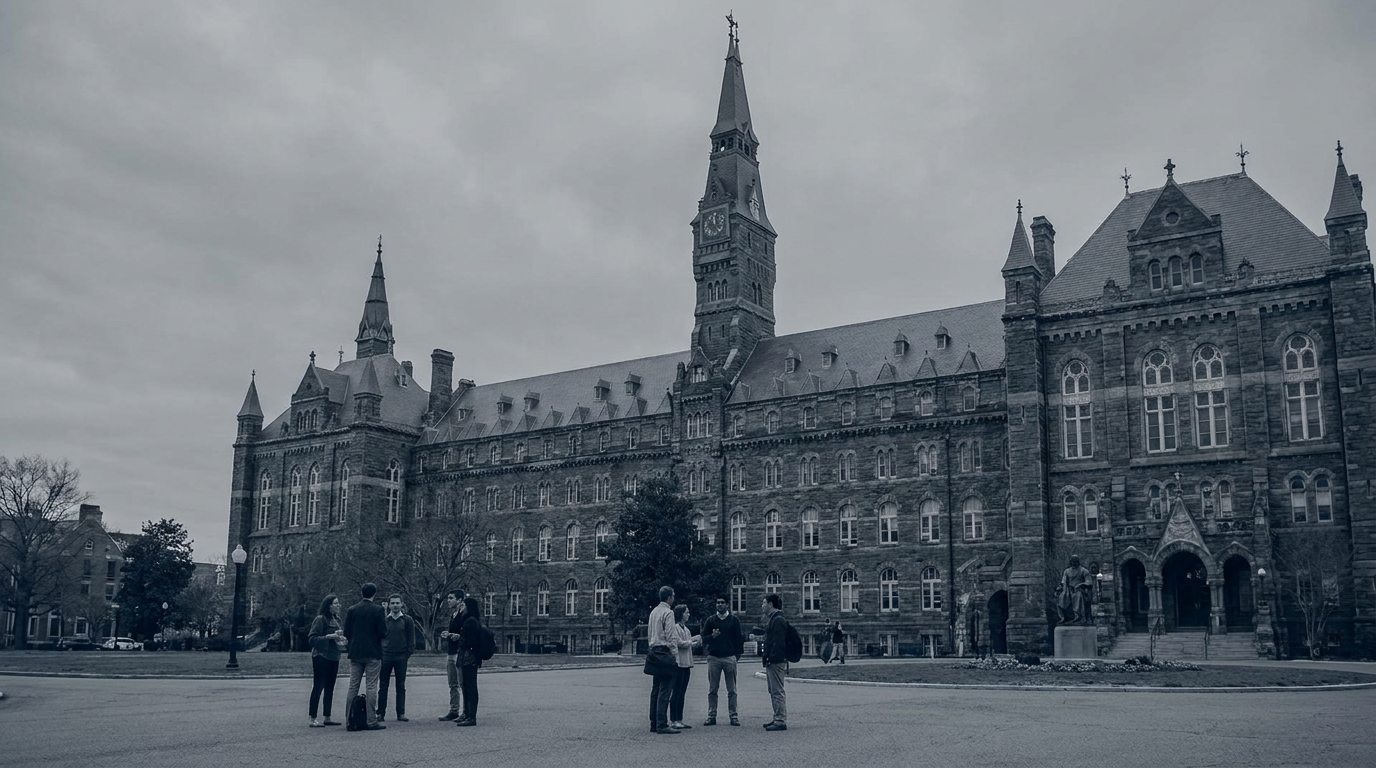
Georgetown University announced that former NFL quarterback Tom Brady will be one of the speakers at its 2026 commencement ceremony, a decision that has generated debate within parts of the campus community and Washington’s local press. The announcement places a nationally recognizable public figure on the Foggy Bottom stage this spring, joining a long tradition of universities choosing high-profile speakers to address graduating classes.
The choice signals an attempt to bring attention and broad public interest to the university’s graduation, but it has also prompted criticism from some students, alumni and editorial commentators who questioned whether a celebrity athlete is the right fit for Georgetown’s academic and civic mission. The reaction comes amid broader conversations about how institutions balance celebrity appeal with community values when planning major events.
Celebrity speakers and university priorities
Inviting well-known public figures to commencement is a common tactic for colleges seeking wider media coverage, fundraising boosts and alumni engagement. Those practical considerations often compete with expectations from faculty and students that graduation addresses should reflect academic achievements, public service and institutional values.
Tom Brady’s status as one of the most famous athletes in recent U.S. history makes him a high-visibility choice. Georgetown’s decision places the university among campuses that have turned to celebrities in recent years to attract national attention, though each selection tends to draw its own mix of praise and critique depending on community sentiment.
Campus reaction and local context
Responses reported in local commentary reflect a range of views: some community members welcomed the high-profile announcement as a chance to spotlight graduates, while others argued that commencement should prioritize speakers whose work aligns more directly with Georgetown’s mission or the graduating class’s concerns. Letters, posts and editorials in the local press have framed the debate as part of a longer-running conversation about institutional priorities at colleges across the country.
Georgetown is located in Foggy Bottom and plays a central role in Washington’s higher-education and civic life. How the university explains the selection and how the campus engages with dissenting voices could shape perceptions of the institution among prospective students, donors and local stakeholders.
As graduation approaches, watch for official statements from the university clarifying the selection process and for programming details about the commencement ceremony. The campus conversation may influence how other local institutions approach high-profile event planning in the months ahead.