The Empty Offices of Downtown DC Could Become the City's Next Homebuying Opportunity
DC office-to-residential conversions are transforming commercial buildings into housing, creating new buying opportunities in sought-after neighborhoods.
Sophie McAlister ·
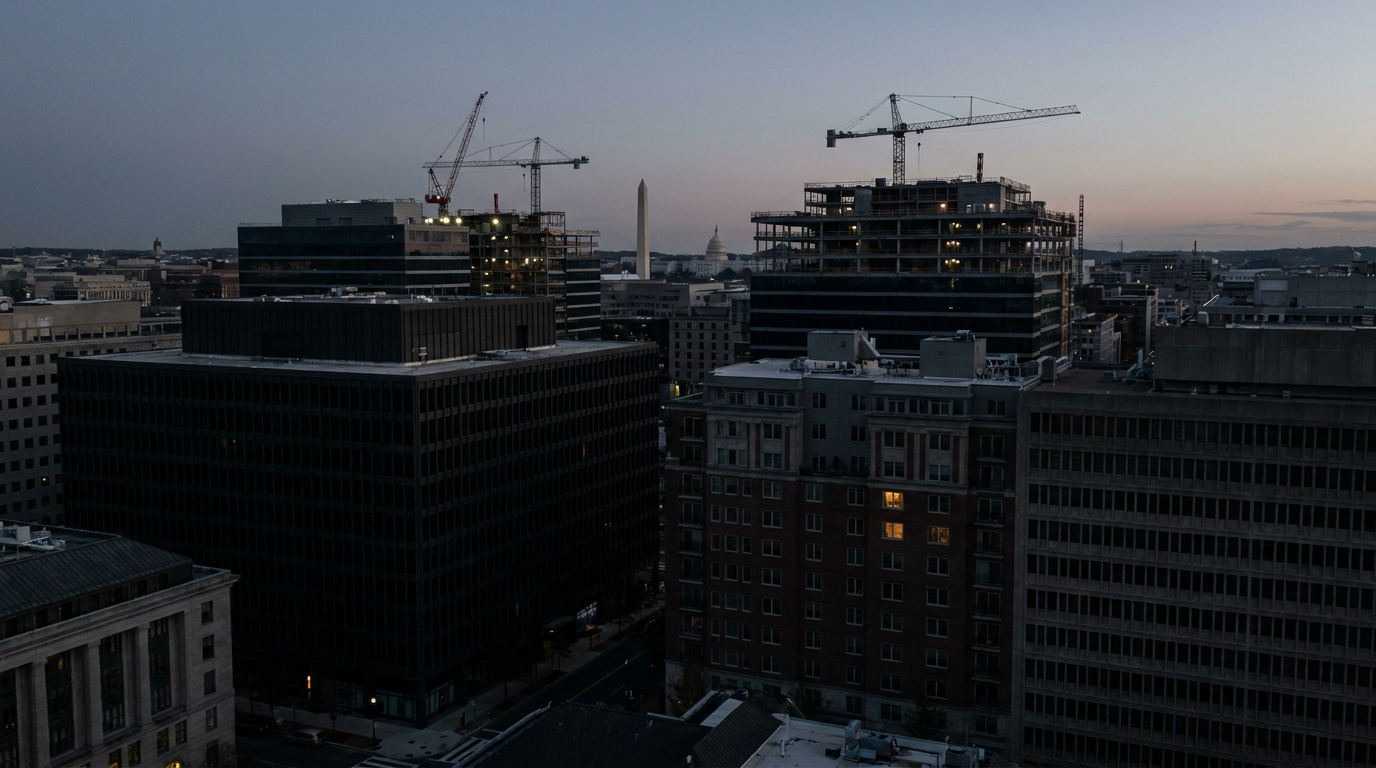
Washington, DC's commercial real estate landscape is entering a new phase as developers convert aging office buildings into residential properties. The trend reflects a response to shifting workplace patterns that have reduced demand for traditional office space while intensifying the need for additional housing. Across downtown neighborhoods, former office towers are being redesigned as condominiums, apartments, and mixed-use communities intended to attract a growing residential population. For prospective buyers, the movement is creating opportunities in locations that historically offered limited housing inventory.
Remote Work Changed the Equation
The rise of hybrid and remote work has altered the economics of many office buildings throughout the capital. Properties once occupied by government contractors, legal firms, nonprofits, and corporate tenants now face higher vacancy levels than in previous years. Rather than leaving these assets underutilized, property owners are increasingly exploring adaptive reuse strategies that can generate value while addressing housing demand. The result is a development pipeline focused on converting commercial square footage into places people can live.
Downtown's Long-Term Housing Challenge
Housing availability has remained a persistent challenge in Washington for years, particularly in neighborhoods close to employment centers and transit networks. While new residential construction has added inventory in parts of the city, land constraints and development costs have limited supply in some of the most desirable locations. Office conversions offer a different path to expansion by repurposing existing structures rather than starting from the ground up. City leaders have supported this approach through redevelopment initiatives, zoning flexibility, and incentives aimed at encouraging more residents to live downtown.
Penn Quarter Draws New Interest
Neighborhoods such as Penn Quarter and the Golden Triangle are emerging as focal points of the conversion trend. These areas already offer many of the qualities that attract urban buyers, including proximity to Metro stations, restaurants, entertainment venues, museums, and major employment hubs. As residential projects replace underused office space, buyers gain access to housing options in districts that were once dominated by daytime office activity. The shift is helping create communities that remain active beyond traditional business hours, supporting a broader mix of retail and service businesses.
Open Layouts Meet Urban Living
Converted office buildings often provide design characteristics that differ from conventional residential developments. Large windows, expansive floor plates, and high ceilings can create living spaces with distinctive layouts and abundant natural light. Many projects also incorporate modern amenities such as fitness centers, rooftop gathering areas, coworking spaces, and upgraded building systems. Energy-efficiency improvements frequently accompany these renovations, appealing to buyers seeking both convenience and lower long-term operating costs.
Financing and Due Diligence Matter
Purchasing a unit in a converted property requires many of the same steps involved in buying a traditional condominium, but additional research is often warranted. Buyers should evaluate the developer's experience with adaptive reuse projects and examine the building's renovation history. Key considerations include upgrades to mechanical systems, plumbing, electrical infrastructure, sound insulation, and ventilation. Financing can also present unique challenges, particularly in newly converted buildings where lenders may have additional requirements tied to occupancy levels, condominium association formation, or project completion timelines.
Building Quality Remains a Key Variable
Not all office-to-residential projects deliver the same level of quality. Thorough inspections remain essential even when units are newly renovated. Buyers should understand how the original building was adapted for residential use and whether construction addressed potential issues such as insulation performance, noise transfer, window replacement, and long-term maintenance needs. Reviewing homeowners association documents, reserve funds, warranties, and future capital plans can provide additional insight into the building's financial health and management strategy.
More Residents Could Strengthen Values
Many market observers believe that increasing residential density in downtown neighborhoods could support long-term property values. Areas with larger residential populations often attract grocery stores, restaurants, fitness operators, and neighborhood services that contribute to a more vibrant urban environment. Greater foot traffic can improve commercial activity while enhancing the overall appeal of a neighborhood. For property owners, these improvements may contribute to stronger demand and increased desirability over time, although future appreciation will continue to depend on broader market conditions.
Limited Land Supports Adaptive Reuse
Washington's physical constraints make large-scale housing expansion difficult in many areas. With relatively limited opportunities for major new development sites, adaptive reuse is becoming an increasingly important tool for creating additional housing inventory. Converting existing buildings can reduce development timelines and make use of infrastructure already connected to transit systems, utilities, and employment centers. As a result, office conversions are expected to remain part of the city's broader housing strategy for years to come.
Young Professionals Eye Central Locations
The appeal of downtown living continues to attract a diverse group of buyers. Young professionals value shorter commutes and easy access to entertainment, while government employees often prioritize proximity to federal offices and transportation networks. Investors are also watching these projects closely, viewing neighborhood transformation as a potential catalyst for future demand. The combination of location, convenience, and evolving urban amenities is helping broaden interest in converted residential properties.
Transit Access Influences Demand
For buyers evaluating conversion projects, location remains one of the most important factors. Properties situated near Metro stations and walkable commercial corridors generally maintain stronger demand and resale potential. Buyers should compare monthly homeowners association costs against the amenities provided and assess whether those features align with their long-term lifestyle goals. Working with professionals familiar with adaptive reuse developments can also help identify differences between projects that may not be immediately apparent during a standard property tour.
The Next Phase of Downtown DC
The transformation of downtown Washington is still unfolding, and the ultimate success of office-to-residential conversions will depend on market demand, project execution, and broader economic conditions. Some buildings may prove easier to convert than others, and financing conditions could influence the pace of redevelopment. Even so, the direction of travel is becoming increasingly clear: downtown is evolving from a district centered primarily on office workers into a more balanced mixed-use community. For buyers willing to study emerging neighborhoods and understand the unique dynamics of conversion projects, the current transition may present opportunities before the next stage of growth becomes fully reflected in property values.