Inside Georgetown’s Garden Tour: A Guide to This Year’s Top Private Gardens
Explore this year's Georgetown Garden Tour private green spaces! Discover featured gardens & their unique planting themes in our local preview.
Sophie McAlister ·
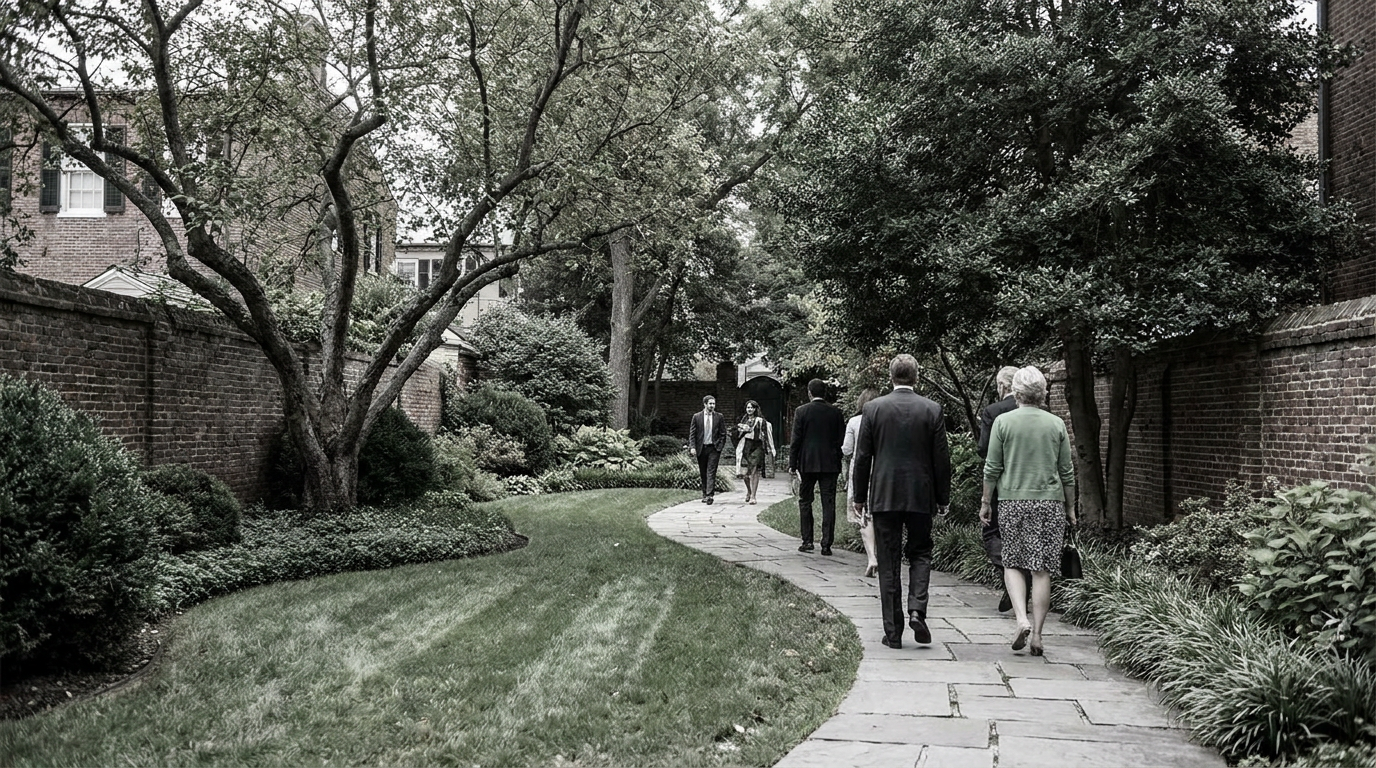
A new preview posted May 11 walks readers through the private green spaces chosen for this year’s Georgetown Garden Tour, the neighborhood’s annual showcase of private gardens. Organizers typically select seven to eight properties each year; the preview notes that a recurring pattern often emerges where several of the selected sites share a dominant planting or design trait.
The story describes how the tour functions as both a neighborhood tradition and a moment for gardeners and residents to compare approaches to small-scale urban horticulture. While the selected gardens vary in scale and layout, they are united by Georgetown’s compact lots, historic walls, and mature street trees that shape planting choices and microclimates across the neighborhood.
What the preview highlights
The preview walks through this year’s featured gardens and calls attention to how curation favors a balance of aesthetic design and practical plantings suited to urban settings. Readers are shown examples of recurring motifs among the selections, and the guide points out the ways private owners adapt planting schemes to limited space, shade patterns and architectural context.
The piece also serves as a primer for first-time visitors, describing how the tour’s compact route lets attendees move between intimate courtyards and larger rear gardens while staying within walking distance of Georgetown’s commercial corridor. That mix of settings is a common reason the tour attracts both long-time residents and out-of-neighborhood visitors interested in urban gardening.
How the tour fits into Georgetown life
The Garden Tour operates as a neighborhood cultural event: it spotlights privately held green spaces that are otherwise closed to the public and offers design ideas that can be adapted by homeowners with small yards or terraces. For the neighborhood’s gardening community, the annual selection process—usually seven to eight gardens—becomes a seasonal conversation about trends in plant choices and landscape management.
Beyond aesthetics, the preview underscores the tour’s role in promoting stewardship of private landscapes within a dense historic district. The event highlights how residents maintain and evolve gardens on properties that are often constrained by architecture and lot size, and it puts those practices on public display without altering public rights-of-way.
Looking ahead, the preview suggests that visitors use the guide to plan which properties to prioritize on the tour and to take away practical ideas for shade management, container planting, and compact design. Attendees should expect a concentrated walking route that emphasizes both design variety and practical plant selections.