Hegseth to Testify on Iran and German Troop Withdrawals at Capitol Hill Hearings
Defense Secretary Hegseth faces Congress May 12, 2026, over Iran ceasefire issues and objections to removing 5,000 U.S. troops from Germany.
Sophie McAlister ·
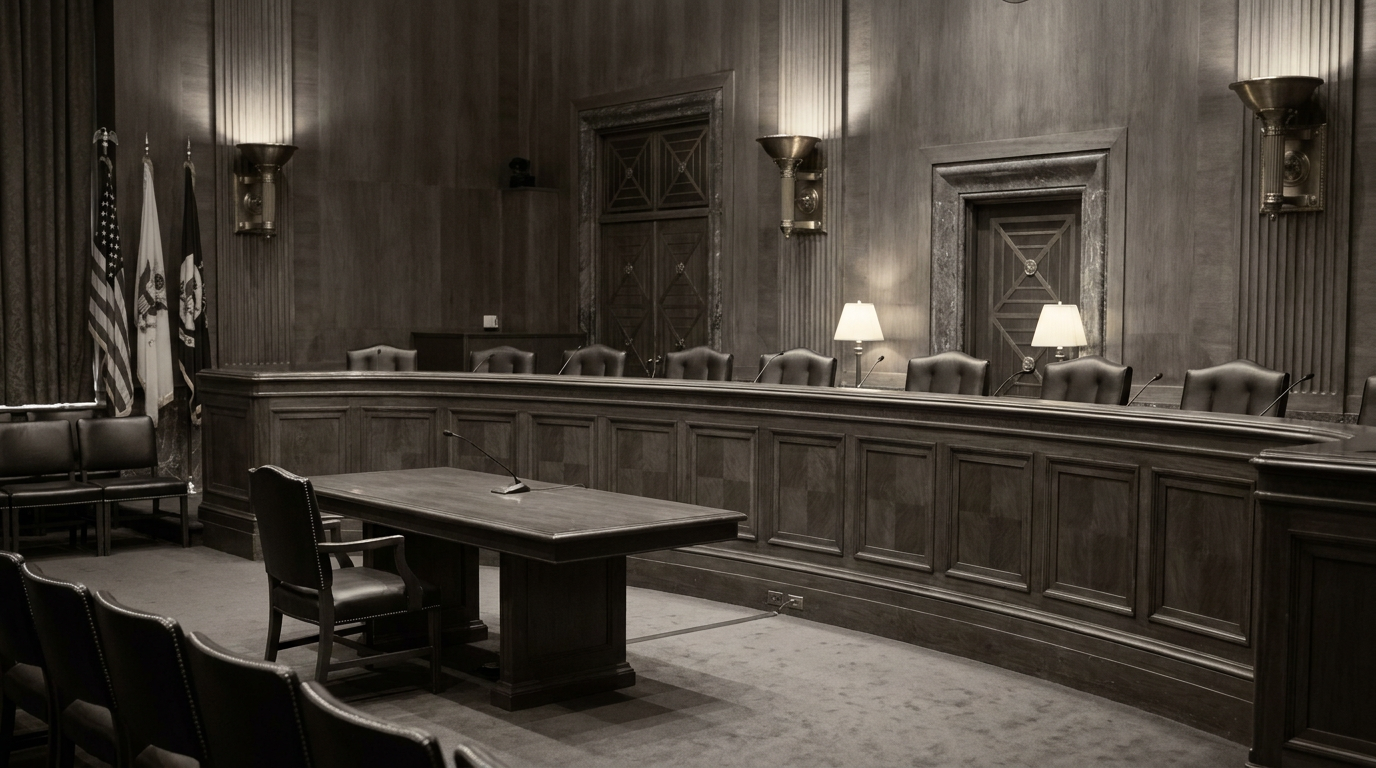
Defense Secretary Hegseth is scheduled to testify before congressional armed services committees on May 12, 2026, in hearings tied to the Pentagon’s fiscal plans and policy choices. The sessions come as a ceasefire with Tehran shows signs of breaking down and as members of Congress raise alarms about the planned withdrawal of 5,000 U.S. troops from Germany.
Lawmakers from both chambers intend to press the secretary on how the Department of Defense will reconcile competing priorities: maintaining deterrence in Europe while responding to renewed instability in the Middle East. Committee members are expected to examine the operational and alliance implications of moving forces out of Germany, and to scrutinize the timing and rationale the Pentagon has provided for the personnel reductions.
Capitol Hill scrutiny over troop withdrawals
Questions on the Hill focus squarely on Europe. Several members have argued the pullback could weaken forward posture and complicate NATO deterrence, while others say the Pentagon must adapt to changing global threats and fiscal constraints. Lawmakers plan to press for details about contingency plans, rotational force posture, and how partner militaries will fill any gaps when U.S. units are reduced.
Oversight will include budget-line examination: lawmakers want to know whether the proposed savings associated with redeploying troops are realistic and whether those savings might create shortfalls in readiness or logistics support. Appropriators and authorizers often use hearings like this to extract commitments or to attach policy riders to the defense authorization bill.
Iran policy tests the Pentagon’s focus
At the same time, the faltering ceasefire with Tehran has shifted attention back to the Middle East. Members will ask how the Defense Department is aligning forces, intelligence, and partner engagement to deter further escalation. Officials will be asked about force posture options, support for regional partners, and possible implications for force availability in Europe.
Lawmakers are likely to frame their questions around risk management: whether current force levels and deployments give commanders the flexibility they need to respond simultaneously to threats in multiple theaters. The hearings will also examine coordination with the State Department and allies to ensure military steps are paired with diplomatic and economic efforts.
Budget oversight and political pressure
Beyond operations, the hearings are a moment for Congress to signal priorities in the defense budget. Members may push for reporting requirements, restrictions on withdrawals, or language that conditions actions on consultation with Capitol Hill. The sessions will be closely watched by career Pentagon officials and political appointees alike for indications of how Congress may shape the final authorization and appropriations measures.
Watch how members translate questioning into legislative action: amendments to the defense authorization bill or added reporting mandates could follow the hearings and influence Pentagon decisions in coming months.