Osborne Urges UK Rejoining EU Customs Union to Boost Stagnant Economy
George Osborne proposes rejoining the EU customs union to reverse economic decline and boost trade, avoiding single-market political complexities.
Lauren Collins ·
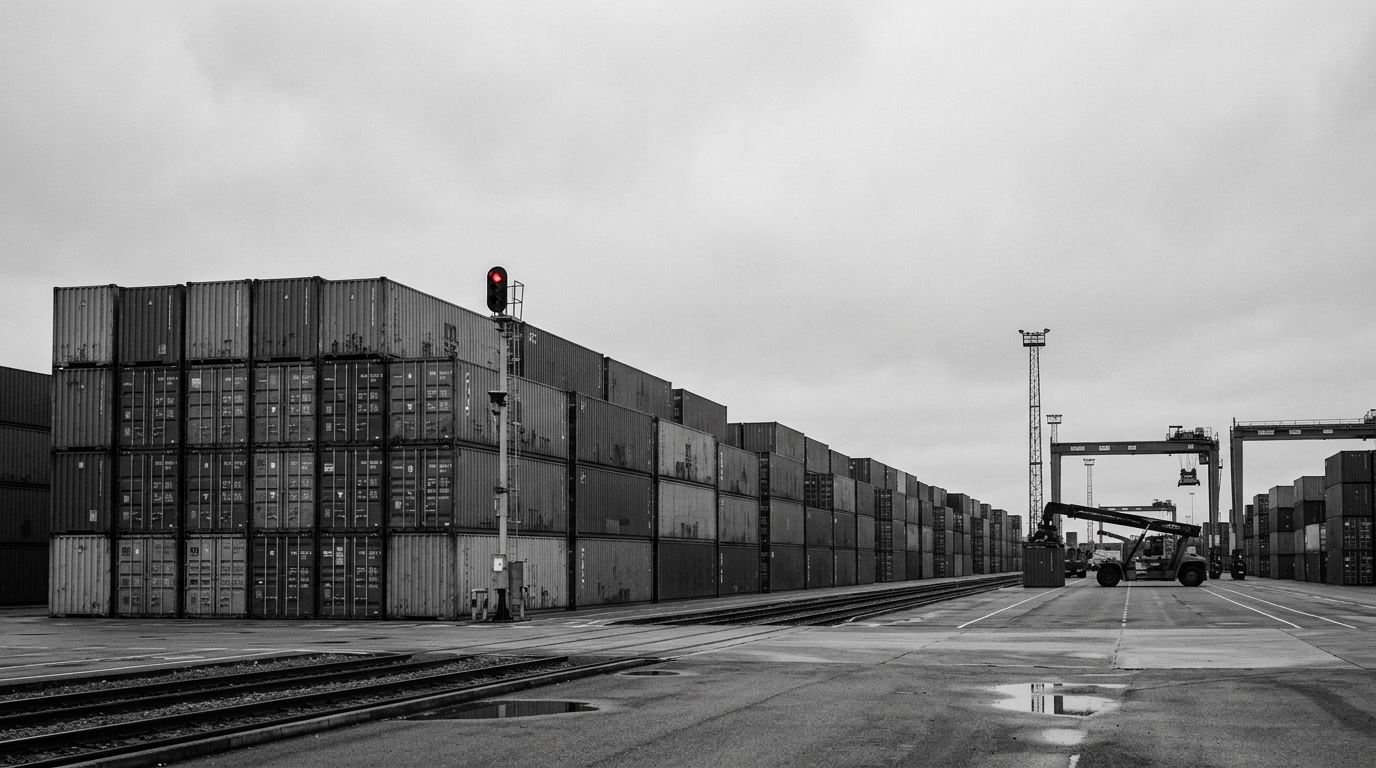
Former UK Chancellor George Osborne has urged the United Kingdom to rejoin the European Union's customs union. The proposal, made on September 13, 2026, aims to address the country's long-term economic stagnation by mitigating trade barriers and stimulating investment.
Osborne's advocacy frames re-entry into the customs union as a strategic imperative to counter underperforming trade and investment figures since Brexit. Post-referendum projections for economic growth have not materialized, contributing to persistent GDP stagnation.
Addressing Economic Stagnation Rejoining the customs union offers a politically viable Rejoining the customs union offers a politically viable path for closer ties with Europe without requiring free movement of people, a contentious issue in the UK. This approach aims to reduce non-tariff barriers and supply chain friction that have impacted post-Brexit trade volumes. Analysts note that the current trade framework has failed to offset the loss of frictionless access to the European market. A shift back towards the customs union could potentially improve the UK's trade balance and foster renewed investment, which has been hampered by existing trade barriers. Navigating Trade Governance Implementing Osborne's proposal would necessitate a significant reversal of current UK trade governance policies. Since 2020, the UK has established independent trade agreements that would be complicated by rejoining the EU customs union.
Former UK Chancellor George
The debate highlights the ongoing tension between regulatory autonomy and deep market integration for the UK. The proposal suggests a pathway to economic recovery by prioritizing frictionless trade over complete independence in trade policy.
Outlook for UK Trade Policy
If the UK were to pursue rejoining the EU customs union, it would likely face considerable political hurdles domestically, given previous commitments to an independent trade policy. Conversely, continued economic underperformance could increase pressure for a policy shift that prioritizes market access and reduced trade friction.