George Kittle hits 16 mph in rehab, targets Week 1 return
George Kittle is on track for a 49ers Week 1 return after reaching running speeds of 16 mph during his Achilles rehabilitation.
Mehmet Şahinoğlu ·
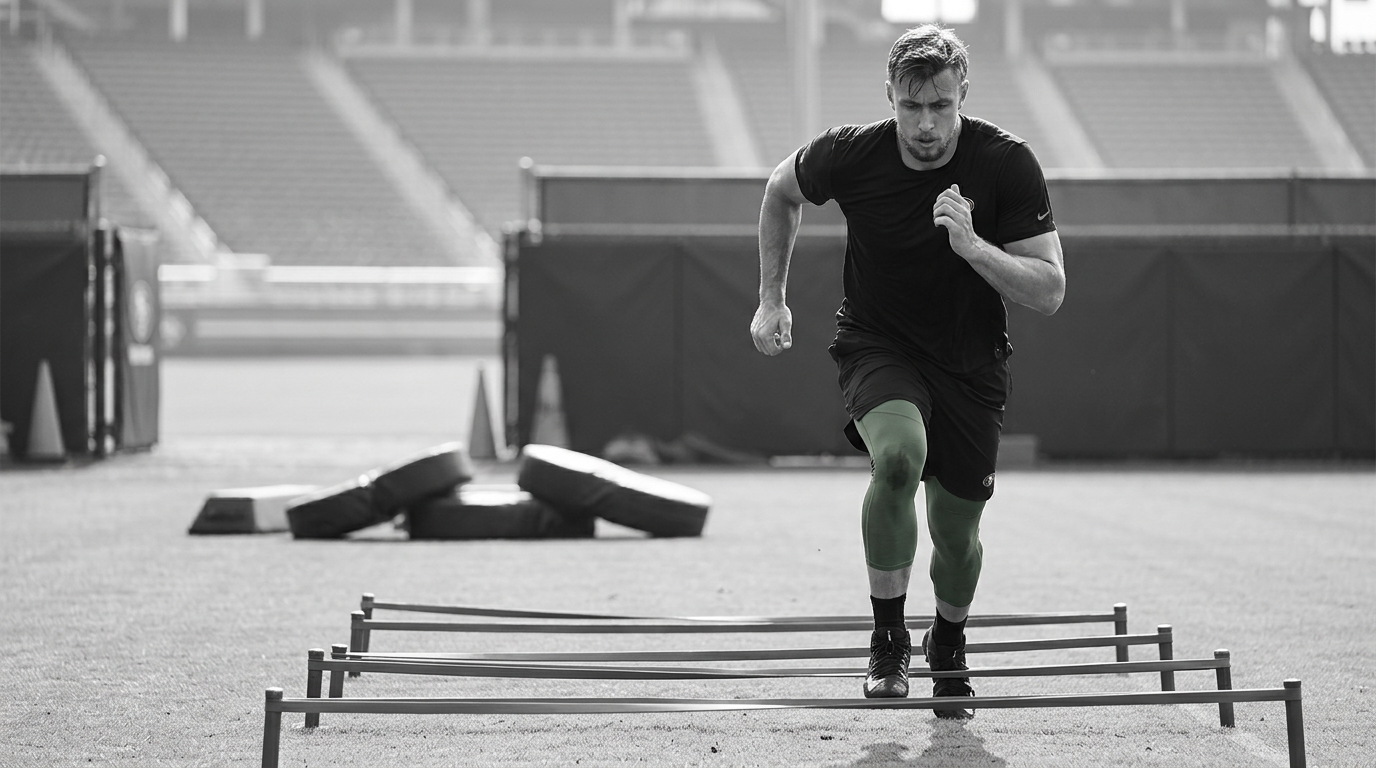
San Francisco 49ers tight end George Kittle said he has reached running speeds of more than 16 miles per hour in his rehabilitation from a right Achilles tear, as he continues to target a return for Week 1. Kittle is 21 weeks removed from surgery after the injury in a Jan. 11 playoff game against the Philadelphia Eagles. The veteran described the milestone as a key step as he shifts from controlled rehab work to on-field football movements.
Kittle shared the update during a recent podcast appearance, noting the running session took place on a field in cleats. He said the ability to run at speed outdoors has been one of the markers he has been aiming to hit as the season opener approaches. The comments align with his stated goal since the injury: to be available at the start of the regular season.
He also outlined the types of drills he is now incorporating, including single-leg box jumps and cutting work. Those activities typically come later in an Achilles recovery timeline as athletes rebuild lower-leg strength, balance and change-of-direction confidence. Kittle did not indicate any setbacks in the process, and his remarks suggested he is progressing through planned checkpoints.
What Kittle’s update means for the 49ers
For San Francisco, Kittle’s health is a major variable in offensive planning because of his dual role as a high-volume pass catcher and a central piece of the run game. His availability can influence personnel groupings and how often the team leans on tight-end-driven looks. The 49ers have not provided a separate medical update in this report, so the most current public detail is Kittle’s own description of his workload and speed.
Kittle’s recent seasons have shown how impactful he can be even when his year is interrupted. He made his seventh career Pro Bowl last season despite appearing in 11 regular-season games because of hamstring and ankle injuries. That combination of production and missed time keeps his health status under close watch as training camp nears.
Recovery timeline and what comes next
While the on-field speed work is encouraging, Kittle still needs to move from individual rehab progress to football-specific workload within a team setting. If he continues without complications, the next step would be ramping up participation as training camp begins and then handling the week-to-week demands required to be ready for the opener.
The key indicator to monitor will be whether he can keep increasing intensity and volume without soreness or regression, while maintaining the change-of-direction work he referenced. Kittle has framed his goal clearly; the coming weeks will determine how quickly his rehab translates into full practice availability.