Galilee Bike Race Returns as Washington Weighs Israel’s Northern Stability
Winner Epic Israel’s return to the Galilee after a three-year war pause gives US officials a small but visible test of civilian recovery in Israel’s north.
Lauren Collins ·
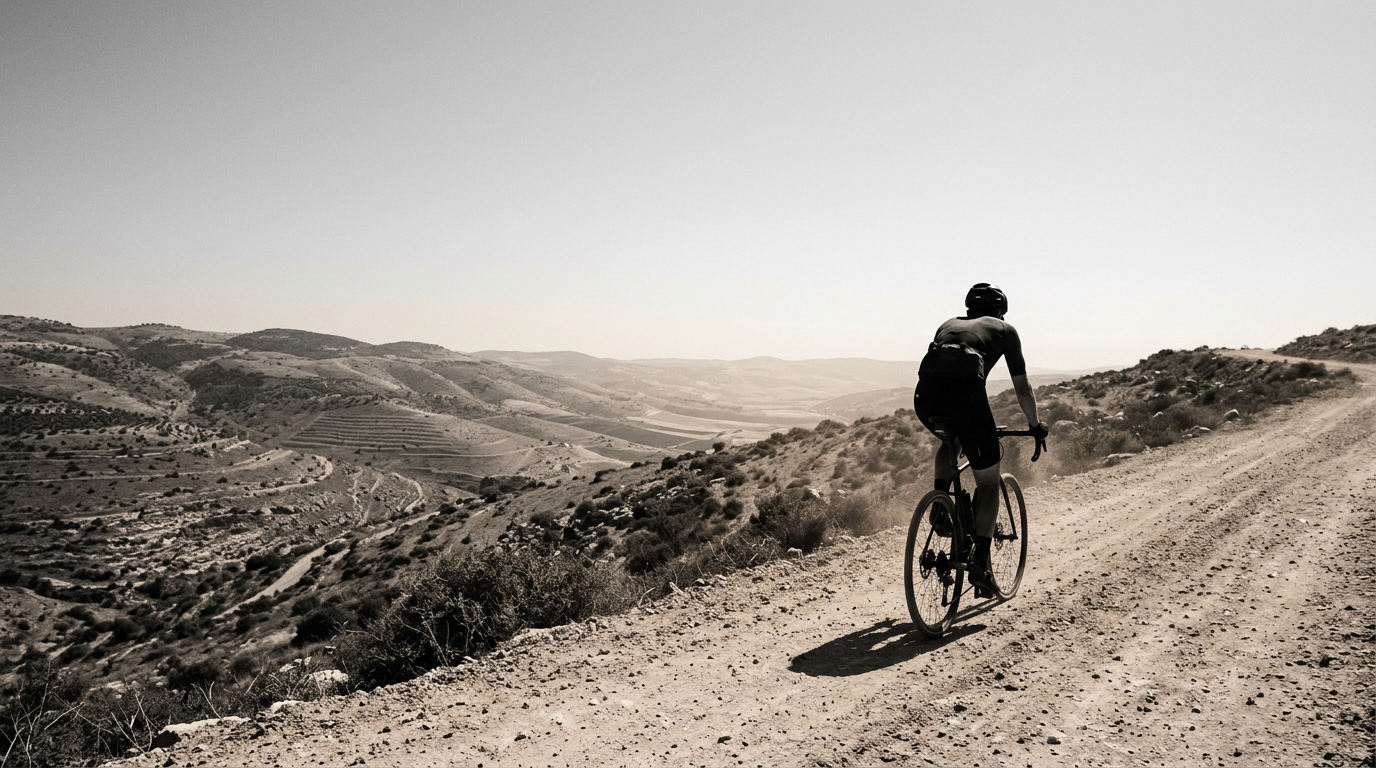
Galilee Bike Race Returns as Washington Weighs Israel’s Northern Stability
Winner Epic Israel said it will return to the Galilee after a three-year interruption tied to war, putting a civilian event back in a northern region that organizers say had been largely absent from Israel’s cycling map. For Washington, the restart is a narrow but visible marker of whether Israel can present parts of the north as manageable again while US officials weigh security assistance, regional diplomacy, and the politics of postwar normalization.
Gal Tsachor framed the decision as an early move back into the area, saying, “After three years in which this region was almost entirely off the cycling map, we want to be among the first to return.” The quote gives the event its policy significance: a race is not a security assessment, but a public gathering in the Galilee tests the same questions US officials ask in harder settings, including whether displaced communities, local authorities, and national institutions can operate under reduced threat.
The Galilee is not a peripheral symbol in Israeli security politics. It sits in Israel’s north, where civilian life, tourism, agriculture, and local commerce have been shaped by conflict risk and by the state’s ability to keep roads, towns, and public services functioning under pressure.
A three-year absence from the cycling calendar matters because sporting events require more than riders and sponsors. They require route approvals, emergency planning, police coordination, insurance, hotel capacity, transport links, and confidence that civilians can gather without turning a local event into a security liability.
Galilee Bike Race Returns
That is why Washington will read the return, if it reads it at all, through institutions rather than sentiment. The White House looks for public evidence that Israeli leaders can move from emergency management toward stabilization; the State Department weighs how local calm supports diplomacy with regional partners; the Pentagon focuses on whether Israel’s defense posture can deter escalation without requiring constant crisis reinforcement.
Congress adds another layer. Supporters of US security aid to Israel can use signs of civilian recovery to argue that American backing helps restore normal life, not only sustain military operations. Critics can ask whether public events in contested regions mask unresolved security and humanitarian pressures elsewhere.
The race also lands in a wider diplomatic frame. US policy toward Israel, Gaza, Lebanon-facing security risks, and Arab normalization efforts depends in part on whether Washington can point to concrete signs that conflict zones are moving into a more stable phase. A mountain bike event does not prove that transition. It can, however, become one small data point in a broader political argument.
The practical test is risk management. Large outdoor events in the north require coordination among civil authorities and security services, especially when routes may pass through rural areas, tourism sites, and communities that depend on public confidence.
If the event proceeds without disruption, Israeli officials may point to it as evidence that local systems are functioning again.
If it is delayed, scaled back, or overshadowed by renewed security concerns, the message changes. Washington’s working assumption would then be more cautious: Israel may be able to resume selected civilian activity, but not yet convert that activity into a durable diplomatic or political signal.
The sector effect is also broader than cycling. Tourism operators, hotels, local food businesses, transport providers, and event organizers all depend on repeatable confidence. One race can bring attention; a calendar of events suggests a local economy has enough stability to plan beyond immediate recovery.
For Israel, the company and organizers behind Winner Epic Israel are at the center of that reputational test. Their operational success will be measured not only by participation, but by whether riders, municipalities, sponsors, and security planners treat the Galilee as a venue again rather than a risk zone.
For the wider outdoor-events industry, the mechanism is straightforward. If insurance, permits, and attendance normalize, other organizers may have a clearer path back into northern Israel. If costs rise or authorities impose tighter limits, the recovery will look more symbolic than commercial.
The global macro effect is indirect but real. Stability in Israel’s north can reduce one channel of regional risk that affects energy prices, defense planning, investor sentiment, and US diplomatic bandwidth. A local race will not move those variables by itself, but a pattern of safe civilian events can support a broader narrative of de-escalation.
The reverse is also true.
If the north remains too fragile for recurring public gatherings, Washington has less room to present regional diplomacy as moving from crisis containment toward reconstruction and normalization. That would keep attention on deterrence, aid conditions, and the sequencing of any wider talks.
The falsifiable marker is whether a senior US official publicly cites the Galilee event, or a similar northern Israel civilian reopening, as evidence of stability before December 14, 2026. If that happens, the race will have moved from local sports news into Washington’s language of resilience, supporting arguments for coordinated diplomacy and continued security aid; if it does not, the event will remain a domestic Israeli recovery signal with little measurable effect on Gaza talks, regional normalization, or congressional messaging.