Gabbard testimony on Puerto Rico voting machines raises questions about role of Venezuela conspiracy theory
U.S. DNI Tulsi Gabbard confirmed the seizure of Puerto Rico voting machines on March 19, 2026, at the request of the U.S. Attorney's office.
Lauren Collins ·
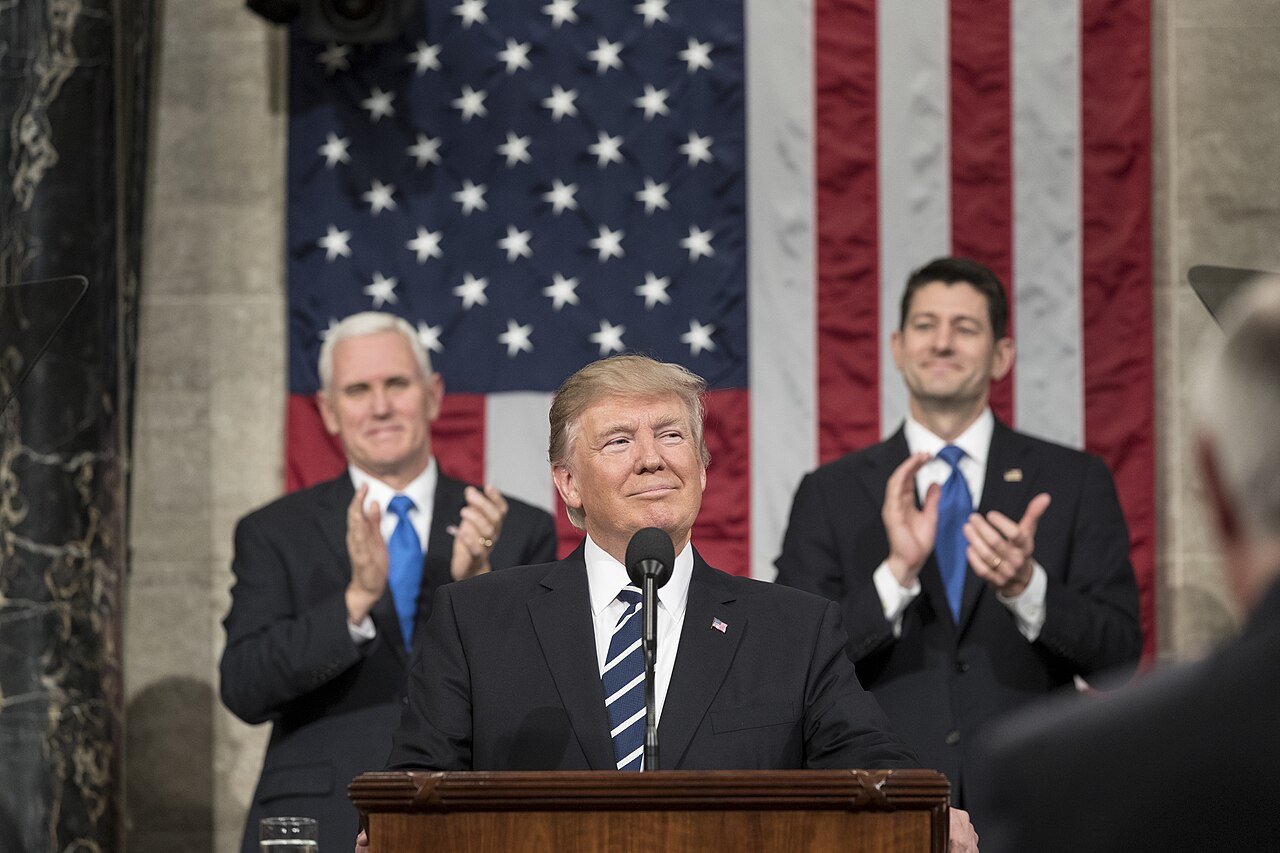
The U.S. Director of National Intelligence (DNI), Tulsi Gabbard, confirmed on March 19, 2026, that her agency confiscated voting machines from Puerto Rico. This action was undertaken at the specific request of the U.S. Attorney's office in Puerto Rico. The seizure has drawn considerable attention due to its perceived connection with a previously debunked conspiracy theory concerning Venezuelan interference in the 2020 U.S. presidential election.
Background on the Seizure
S. Attorney for the District of Puerto Rico, W. Stephen Muldrow, has been linked to efforts by supporters of former President Donald Trump to reintroduce claims that Venezuelan President Nicolás Maduro manipulated electronic voting systems internationally to influence the 2020 election outcome. This particular conspiracy theory, which implicated Dominion Voting Systems, was legally declared false in a 2023 court decision.
Several media organizations have also retracted similar allegations and faced significant defamation payouts.
DNI's Stated Rationale
During her testimony before a House committee, Director Gabbard asserted that the seizure of the machines was a legitimate measure aimed at evaluating potential vulnerabilities within election systems. She emphasized the importance of ensuring the integrity and security of electoral processes. This explanation comes despite an unnamed DNI official previously denying that the intelligence agency was actively investigating the Venezuela-related conspiracy theory.
Broader Context and Implications
S. intelligence agency in seizing local election equipment, particularly at the behest of a prosecutor associated with a discredited theory, suggests a potential overlap in investigative priorities. This development occurs as the annual worldwide threat assessment, also discussed during the congressional hearing, notably omitted any mention of foreign adversary attempts to influence American elections.
This omission marks the first time such a reference has been absent from the assessment since 2017, raising questions about evolving intelligence priorities and threat perceptions.
Historical Precedent and Legal Challenges
S. election was subject to numerous legal challenges and claims of widespread fraud, nearly all of which were dismissed by courts across the country. The specific allegations involving Venezuelan manipulation of voting machines gained traction in certain political circles but lacked credible evidence and were ultimately disproven.
The current seizure in Puerto Rico reintroduces elements of these past, discredited claims into the public discourse, prompting renewed scrutiny from legal experts and civil liberties advocates regarding the scope of intelligence agency involvement in domestic electoral matters.
Future Oversight and Public Trust
This incident underscores ongoing debates about election security, the role of intelligence agencies in domestic affairs, and the impact of conspiracy theories on public trust in democratic institutions. Future congressional oversight and public transparency regarding the findings from the seized machines will be crucial in addressing concerns about the motivations behind this unprecedented action and its potential implications for future elections.
Political and Public Reaction
The move has generated varied reactions, with some viewing it as a necessary step to ensure election integrity, while others express concern over the potential politicization of intelligence agencies and the revival of disproven narratives. The intersection of intelligence operations, legal proceedings, and political narratives surrounding election security remains a complex and sensitive area, particularly in a U.S. territory like Puerto Rico.
Implications
Country Impact: The seizure of voting machines in Puerto Rico by a U.S. intelligence agency could impact the territory's autonomy and public confidence in its electoral processes. It also raises questions about the federal government's approach to election security in U.S. territories.
Industry Impact: The voting machine industry, particularly companies like Dominion Voting Systems, may face renewed scrutiny and potential reputational challenges if discredited conspiracy theories are re-amplified. This could lead to increased demand for transparency and security audits.
Market Impact: While direct market impact is limited, the re-emergence of election integrity concerns could introduce political uncertainty, potentially affecting investor sentiment in sectors sensitive to political stability. It might also influence the valuation of companies involved in election technology.