FTSE 100 falls as U.S.-Iran war escalates
U.S.-Iran geopolitical tensions pushed London stocks lower on July 23, 2026, triggering risk repricing ahead of a key European central bank decision.
Mateo Fernandez ·
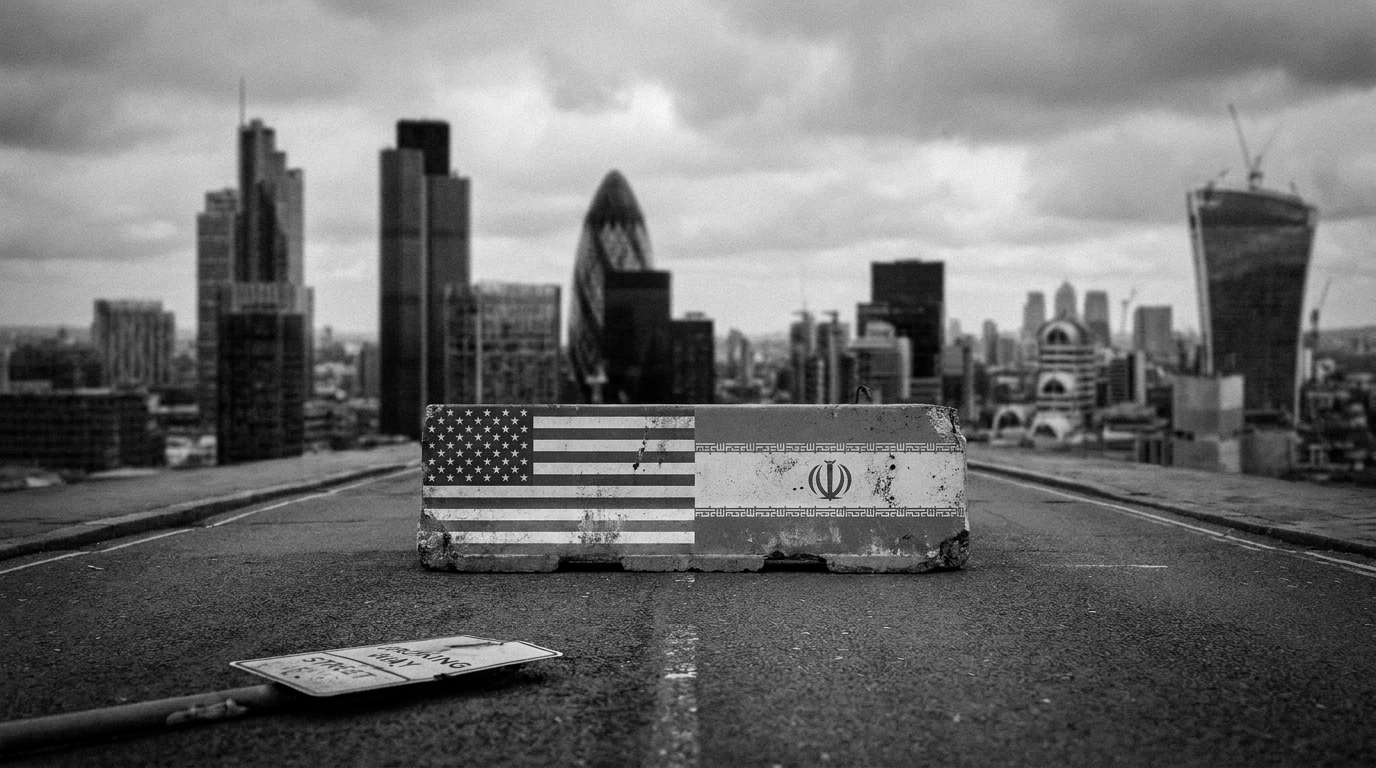
London's benchmark slipped on 23 July 2026 as a sharp escalation in hostilities between the U.S. and Iran prompted traders to reassess risk across equity markets. Officials said the uptick in tensions drove flows into safe assets and away from risk-sensitive positions, weighing on the FTSE 100.
Investors rebalanced portfolios during European hours, with demand for government paper and traditional havens reported alongside reduced activity in cross-border equity trades. Data showed volatility measures rose in regional trading sessions, reflecting shorter-term risk aversion.
U.S.-Iran military actions
The immediate market effect concentrated on assets tied to global trade and energy prices, where uncertainty raises the chance of supply disruptions and insurance-cost premia. Officials said firms with large international exposures faced renewed earnings risk from higher input and logistics costs.
Banks and large-cap exporters typically factor geopolitical premia into valuations; the FTSE 100’s composition means those channels can transmit to the index quickly. Investors also cited the looming European Central Bank decision as a compounding factor for liquidity and positioning ahead of policy clarity.
Traders will monitor developments through 24 July 2026 and reassess positions ahead of the European Central Bank’s policy decision later this month. Market participants flagged the open questions of escalation duration and any direct impact on trade routes as the key drivers of the next moves.