Thailand Forecasts Economic Slowdown Amid Trade Pressures
Thailand's economy faces a slowdown by 2026-2027, driven by high household debt, an aging population, and global trade fragmentation challenges.
Atlas Newsdesk ·
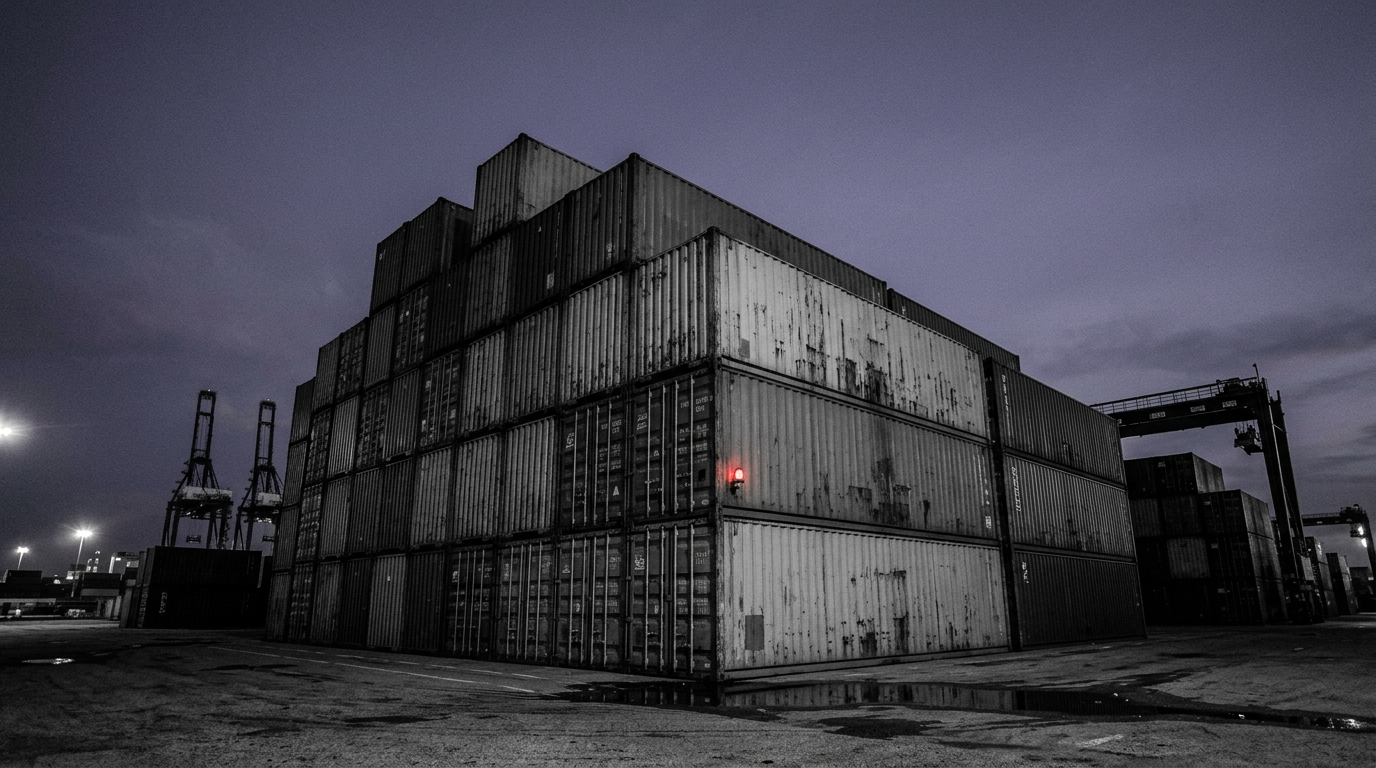
Thailand, the second-largest economy in Southeast Asia, is preparing for a projected economic deceleration, influenced by both its internal structural challenges and an increasingly unstable global trade environment. The nation’s economic growth is forecasted to decrease to 1.5 percent by 2026 and 2.1 percent in 2027. This represents a substantial decline from its historical average of 3.2 percent, marking a critical juncture for a country traditionally dependent on a manufacturing-led growth model now under strain.
A significant external factor contributing to this vulnerability is Thailand's extensive economic ties with both China and the United States. The escalating geopolitical tensions between these two major global powers, particularly in the realm of trade, have begun to adversely affect Thai exports. United States tariffs on goods originating from Thailand currently average approximately 20 percent, complicating trade flows and increasing operational costs for businesses within these supply chains.
Domestic Economic Headwinds and Strategic Shift
Domestically, Thailand contends with several considerable challenges. Household debt has climbed to nearly 90 percent of the Gross Domestic Product, which constrains consumer spending and investment. Additionally, the country’s aging population poses a significant obstacle to labor productivity, potentially limiting the workforce's capacity for innovation and growth. These internal pressures, combined with external trade dynamics, create a complex economic landscape.
In response, the government in Bangkok is actively pursuing a strategic transition away from its conventional role as a regional assembly hub. The aim is to reorient the economy towards higher-value sectors. Key focus areas for this pivot include electric vehicle manufacturing, green industrial production, and the development of digital infrastructure. This initiative seeks to inject new dynamism into the economy and reduce dependence on older manufacturing segments.
Challenges in Diversification and Supply Chain Resilience
Despite these efforts, the economic transition faces notable hurdles. In 2025, Thailand attracted over $23 billion in project applications for data centers, indicating robust interest in digital infrastructure. However, many of these emerging sectors remain deeply integrated into Chinese supply chains. This continued reliance raises concerns about potential scrutiny from Washington, particularly regarding rules of origin and the prevention of transshipment, where goods are rerouted through Thailand to circumvent tariffs.
For Thailand to successfully navigate this economic transformation and mitigate associated risks, prioritizing the diversification of its export markets is crucial. Simultaneously, increasing domestic value-added production is essential. Such measures would help to shield Thai industries from the ongoing fragmentation of global supply chains and enhance the nation's economic resilience against external shocks. The long-term success of Thailand's economic strategy will depend on its ability to foster innovation and build robust, independent supply chains in its targeted high-value sectors.
Long-Term Economic Trajectory
Reducing reliance on any single trading partner or supply chain network will be vital for sustainable growth. This strategic imperative aligns with broader global trends of near-shoring and friend-shoring, as countries seek to de-risk their economic dependencies. Furthermore, addressing the high levels of household debt and enhancing workforce participation through policies that support an aging demographic will be critical for internal economic stability. The combination of proactive government policies and private sector investment in these areas will ultimately determine Thailand's economic trajectory in an increasingly fragmented global economy.