Morocco target 2026 World Cup with 2008 reboot, diaspora depth
Morocco aims for 2026 World Cup success, driven by a long-term football development strategy and integration of diaspora talent.
Mehmet Şahinoğlu ·
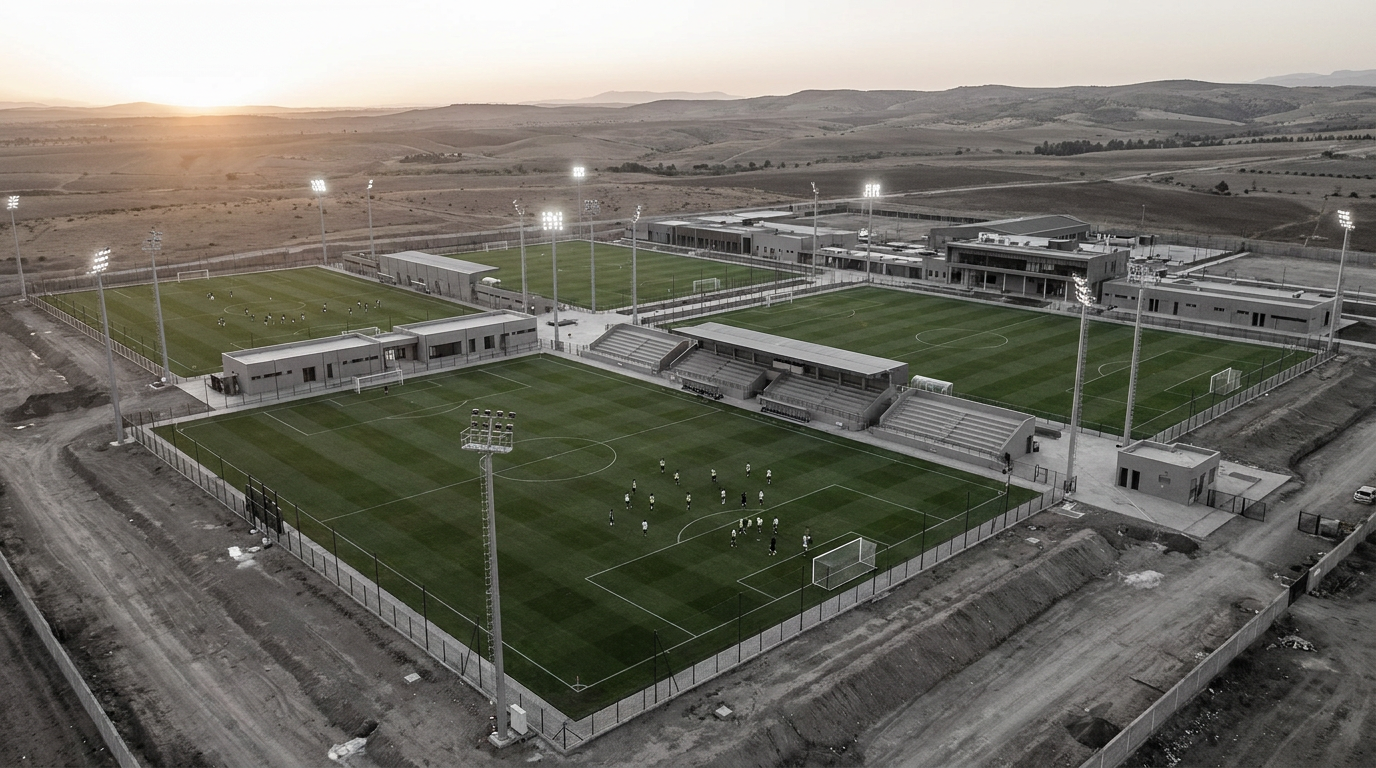
Morocco are targeting another deep World Cup run in 2026, building on a football reboot launched in 2008. The Royal Moroccan Football Federation overhauled governance, expanded infrastructure and formalised talent pathways to professionalise the game. Those pillars helped elevate the men’s side into FIFA’s top 10 and carry the Atlas Lions to the 2022 World Cup semifinals. Officials now want those structural gains to translate into sustained results across major tournaments.
Federation overhaul built a coherent pathway
A national financial control department tightened club oversight, while thousands of local “proximity fields” widened participation and improved facilities across the country. The intent was to systematise development at every tier, linking grassroots access with professional standards so players and coaches progress through a clear ladder from clubs to national teams.
By integrating club financing controls, mass-participation facilities and elite training, the federation sought to produce players who are tactically literate and physically prepared before reaching senior level. That alignment is designed to narrow the gap between domestic competition and international demands and to ensure continuity in how prospects are identified, trained and evaluated.
Mohammed VI high-performance hub aligns standards
At the apex, the Mohammed VI complex and academy near Rabat created a central high-performance base for national teams. The site combines top-tier pitches, sports science, medical support and accommodation, giving staff a single environment to benchmark training and performance across age groups.
Concentrating resources in one hub has enabled consistent data collection and a common coaching language, which shortens adaptation times for players moving from youth levels to the senior setup. Staff can also track workloads and development markers centrally, supporting role-specific coaching while respecting club commitments and helping mitigate injury risk.
Broader pool and diaspora integration widen options
Eligibility reforms that eased one-time switches have broadened Morocco’s selection pool by facilitating the integration of dual nationals. The senior team has incorporated Europe-born players such as Hakim Ziyech, Nordin Amrabat and Brahim Diaz, blending diaspora talent with graduates of domestic academies and European clubs to deepen competition for places.
The latest example is 18-year-old Lille midfielder Ayyoub Bouaddi, who has committed to represent Morocco after featuring for France at youth level. Reports in France had indicated strong interest before his decision, and supporters view the choice as emblematic of Morocco’s growing pull among dual-national prospects. Officials believe such commitments can lock in depth for the next cycle while sustaining pressure for places ahead of 2026.
Cross-category results bolster confidence
Authorities point to success beyond the senior men’s team as evidence that the plan is taking root across categories. Competition records list Morocco as 2025 AFCON champions after Senegal were later stripped of the title. The women’s national team reached the 2025 Women’s AFCON final, the futsal team won the 2024 Futsal AFCON and the men’s Olympic team earned bronze at the 2024 Games.
Depth has registered in regional and youth tournaments as well. Morocco lifted the 2025 FIFA Arab Cup and the 2025 African Nations Championship, while youth sides delivered the 2025 U-20 FIFA World Cup and the 2025 U-17 AFCON. Officials argue that cross-category results indicate a maturing pipeline and a more consistent competitive identity across age groups.
AFCON fallout and the road to 2026
The 2025 AFCON decider, which drew debate over late officiating decisions, prompted scrutiny around the national setup. Even so, the federation’s three-pillar plan remains the reference point for 2026 preparations, with continuity in infrastructure, scouting and squad building shaping decisions.
As the tournament nears, Morocco’s task is to convert long-run investments into consistent performances against top-tier opponents. The breadth of the talent pool and the durability of the pathway will be key indicators to watch in North America.